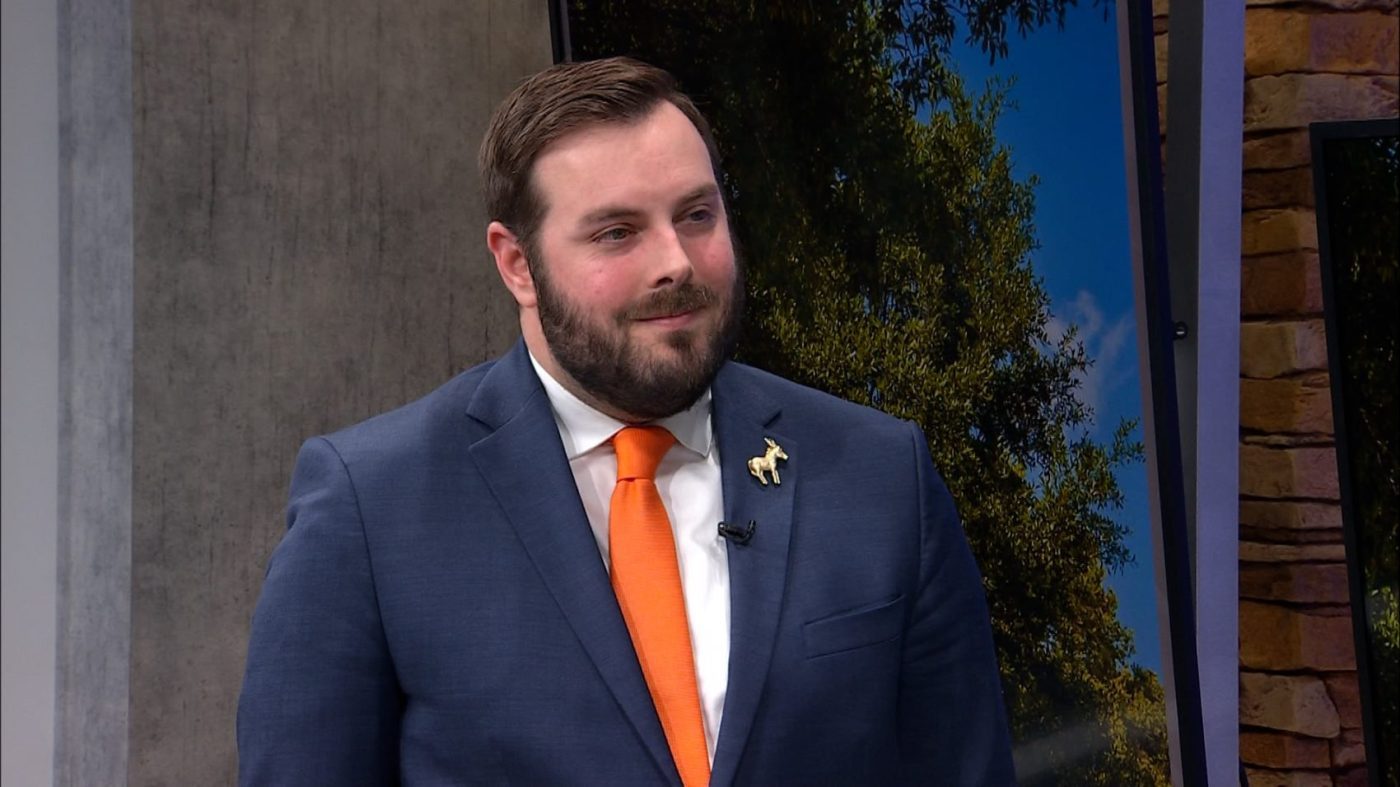
Chris Sununu, the former New Hampshire governor now leading Airlines for America, said Wednesday that passengers should brace for higher ticket prices as jet fuel costs surge in the wake of the U.S.-Iran conflict. Speaking on NewsNation's "The Hill," Sununu pointed to a doubling of jet fuel prices since the U.S. and Israel launched military operations against Iran, a spike tied to Iranian restrictions on shipping through the Strait of Hormuz.
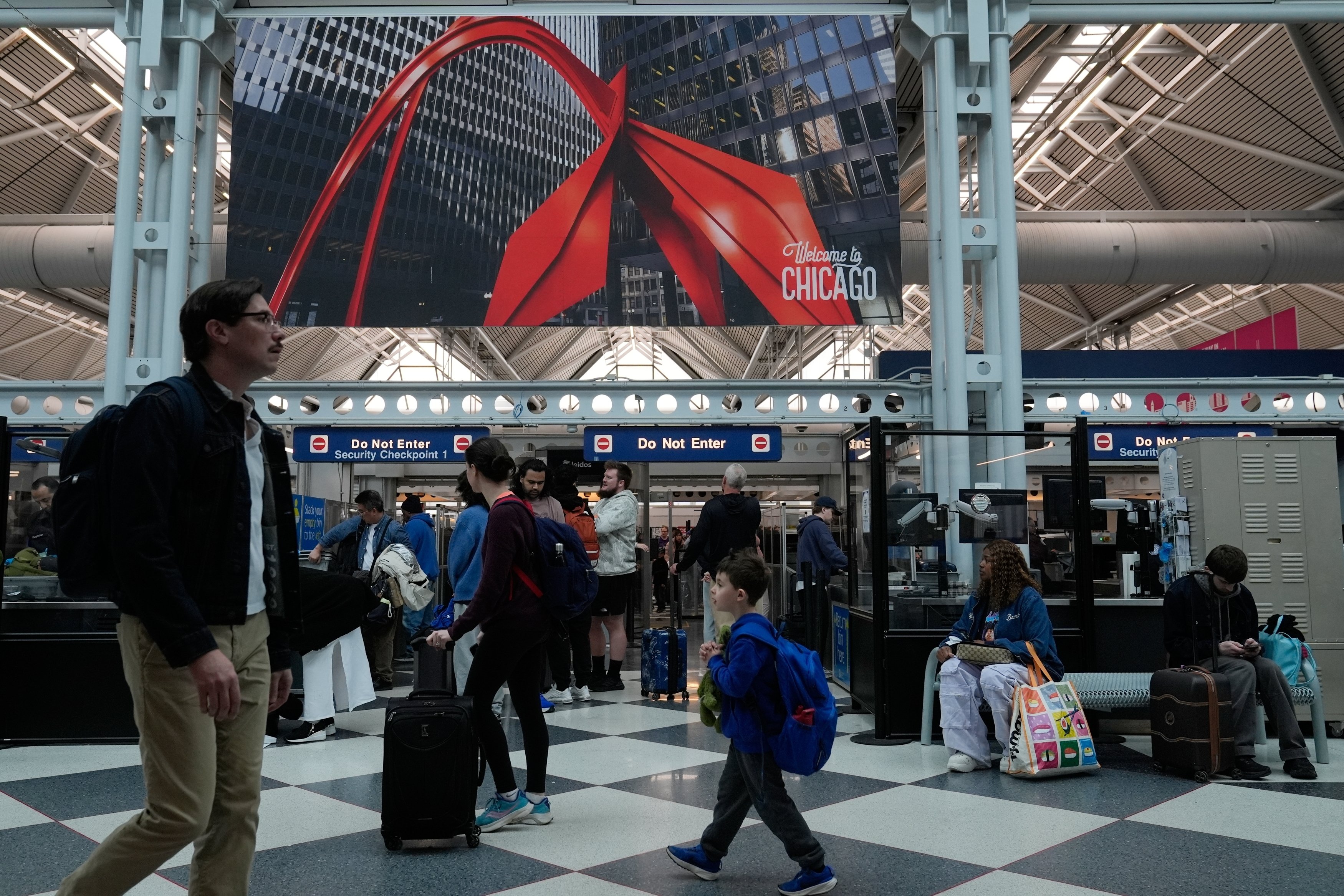
The disruption has rattled global energy markets, with U.S. airlines spending $5.06 billion on fuel in March alone—a 56 percent jump from February, according to the Bureau of Transportation Statistics. Sununu noted that carriers are exploring ways to shield customers from the full brunt of these costs, including hiking baggage fees and cutting flights, moves already implemented by major airlines like American, United, and Delta.

“The airlines themselves will lose $12 billion this year, because they’re trying to avoid passing most of it off to the customer,” Sununu said. “But there will be a price increase.” He cautioned that even after the Strait of Hormuz reopens, fuel prices will drop more slowly than they rose, describing it as a supply chain issue where costs “come up fast and it goes down slowly.” He predicted prices might normalize by late summer or early fall.
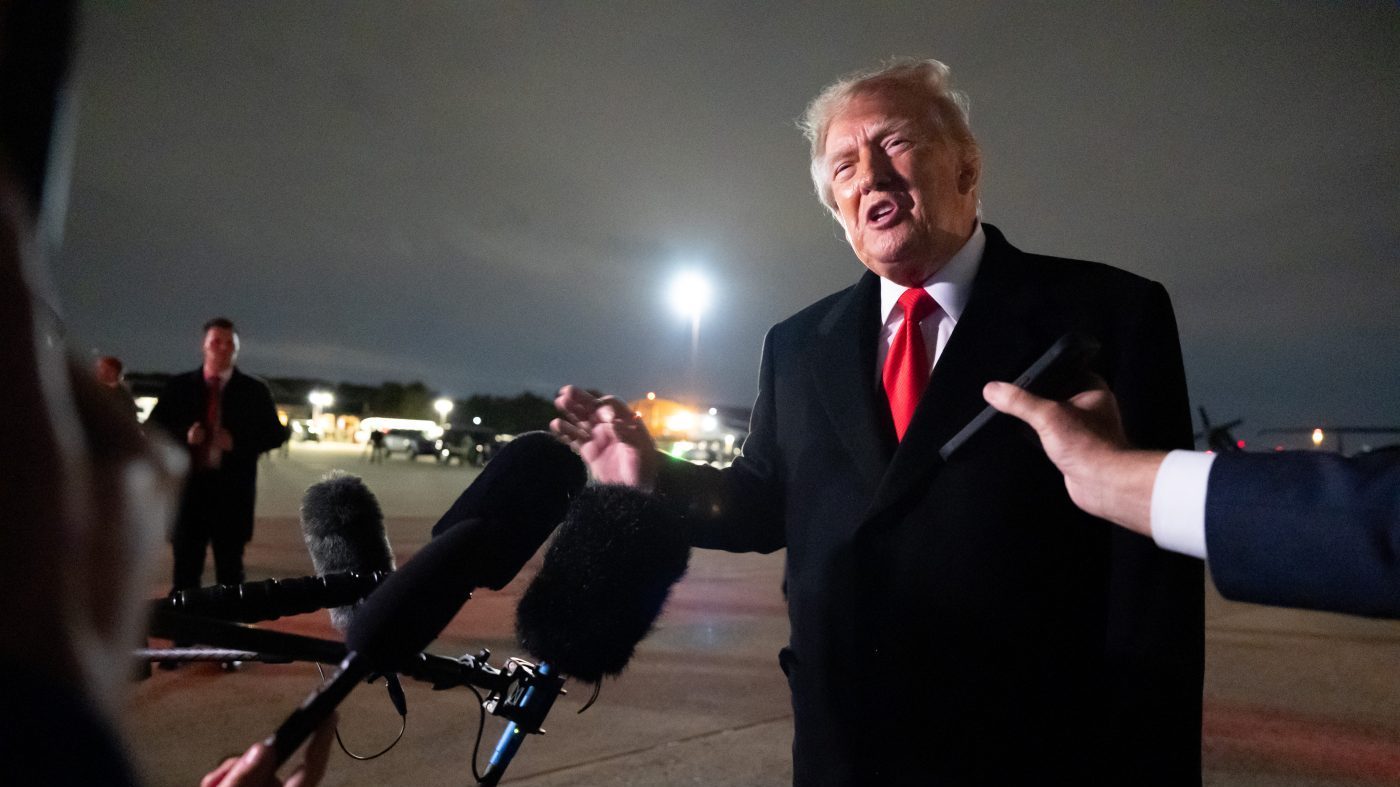
Sununu’s warning comes as the Trump administration faces political headwinds. The Wall Street Journal reported Wednesday that GOP advisers are worried about the political fallout from rising fuel costs, with midterm elections less than six months away. Sununu has reportedly cautioned the White House about the potential damage.
The collapse of Spirit Airlines, which shut down after failed bailout talks with the Trump administration, adds further pressure. While Spirit accounted for just 3.4 percent of the market, its disappearance eliminates a low-cost option, potentially pushing prices higher. The Spirit Airlines shutdown has fueled debate over the Iran war’s role in the cost surge.
Sununu advised travelers to book flights now, recommending domestic bookings 60 to 90 days in advance and international trips three to six months ahead for the best prices. “If you’re booking a ticket, you should book 60 to 90 days out,” he said. “But yeah, definitely book now and don’t be afraid to book.”
The trade group represents six commercial carriers, including American, United, and Delta, as well as three cargo operators. The fuel crisis underscores the intersection of geopolitical instability and domestic economic pressures, a theme likely to dominate political discourse as the midterms approach.