Iran has formally rejected a ceasefire proposal supported by the Trump administration and instead presented a five-point counterproposal to conclude the ongoing regional conflict. The demands, issued Wednesday, establish significant preconditions that directly challenge U.S. and Israeli strategic interests in the Middle East.
Core Demands for Cessation of Hostilities
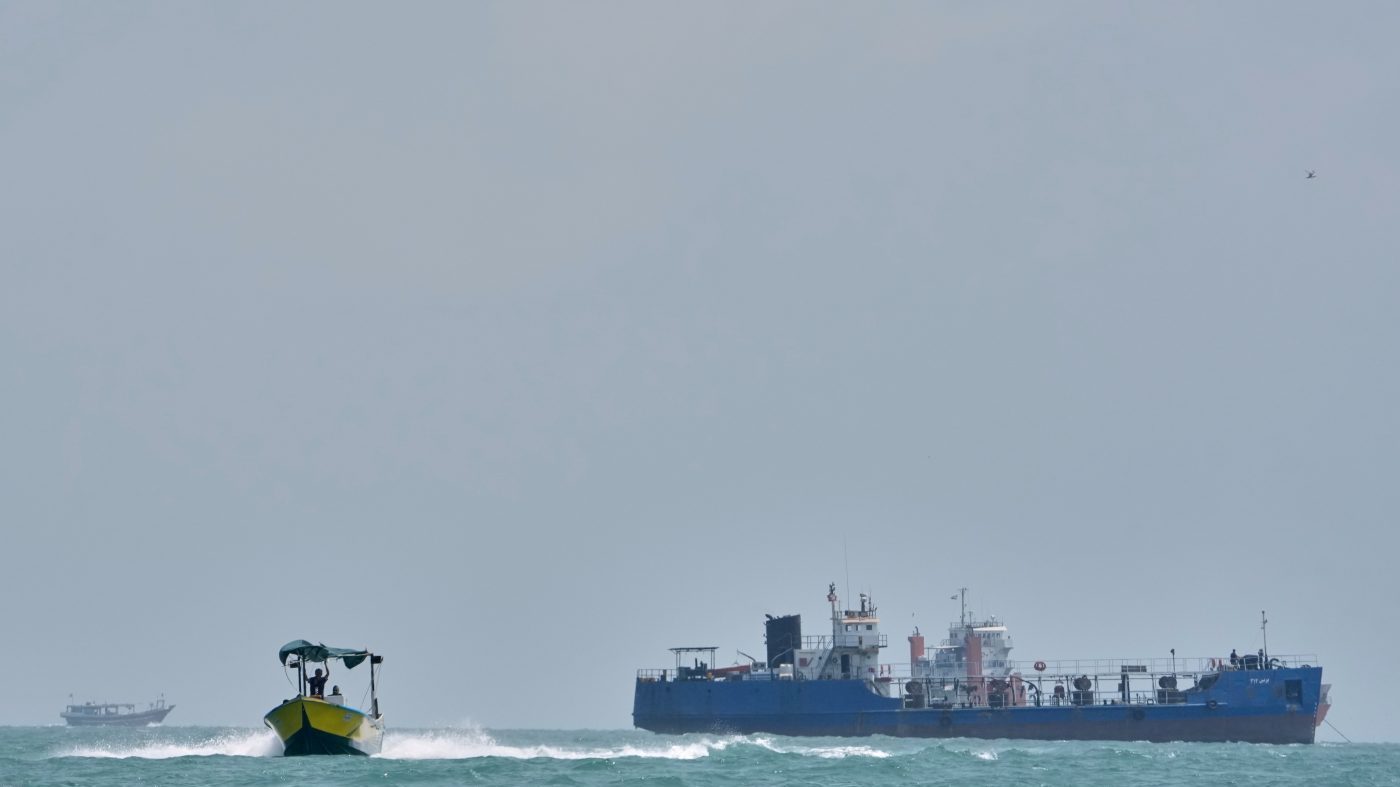
Tehran's conditions for ending the war are sweeping. The foremost demand is for Iranian sovereignty over the critical Strait of Hormuz, a vital global oil transit chokepoint. The Islamic Republic also calls for a complete cessation of what it labels "aggression" from the United States and Israel, alongside guarantees that the conflict will not reignite. Further stipulations include the payment of war damages and reparations, and a comprehensive end to fighting across all fronts, including those involving regional resistance groups aligned with Iran.
The Iranian Consulate General in Mumbai articulated Tehran's defiant stance in a statement on social media, declaring, "Iran will end the war at a time of its own choosing and only if the conditions it has set are fulfilled. It will not allow Trump to determine the timing of the war's end." This position was echoed by an unnamed official on state broadcast media, who vowed that Iran would continue to deliver "heavy blows" in the region.
Military Actions Continue Amid Diplomatic Moves
The diplomatic maneuvering unfolds against a backdrop of continued violence. Despite President Trump's Tuesday order to pause strikes on Iranian energy infrastructure, Iran has conducted strikes on targets including Kuwait International Airport. Simultaneously, Israel launched a new offensive air assault, signaling a determination to continue military operations.
The rejected U.S. ceasefire plan, a 15-point proposal reported by The Associated Press, sought rollbacks in Iran's nuclear program, a conditional reopening of the Strait of Hormuz with missile limits, and sanctions relief. Iran has explicitly stated that its new demands are separate from terms discussed during the second round of nuclear negotiations in Geneva last month. Those talks, held on February 27, were deemed progressive but yielded no agreement a day before the current wave of strikes began.
Diplomatic Fallout and Military Posture
The diplomatic rift has widened, with Tehran summoning Vice President Vance for negotiations. Iranian leaders allege betrayal by Trump's special envoy to the Middle East, Steve Witkoff, and former lead negotiator Jared Kushner. The situation is further complicated by domestic political deadlock in Washington, where congressional funding disputes persist. Egypt, Pakistan, and Turkey are expected to attempt mediation in the escalating crisis.
Concurrently, the Pentagon is preparing a significant deployment, readying approximately 2,000 troops from the Army's 82nd Airborne Division for the Middle East. This move underscores the precarious military balance as diplomatic channels strain. The Iranian counterproposal, with its focus on strategic control and reparations, sets a high bar for any negotiated peace, directly countering the framework previously outlined by the White House.
The standoff presents a fundamental clash of objectives: Washington seeks constraints on Iran's nuclear and regional power, while Tehran demands recognition of its regional dominance and compensation. With both sides maintaining military pressure and setting incompatible conditions, the path to de-escalation appears fraught, risking a prolonged and widening conflict.