U.S. Diplomatic Push Meets Immediate Resistance
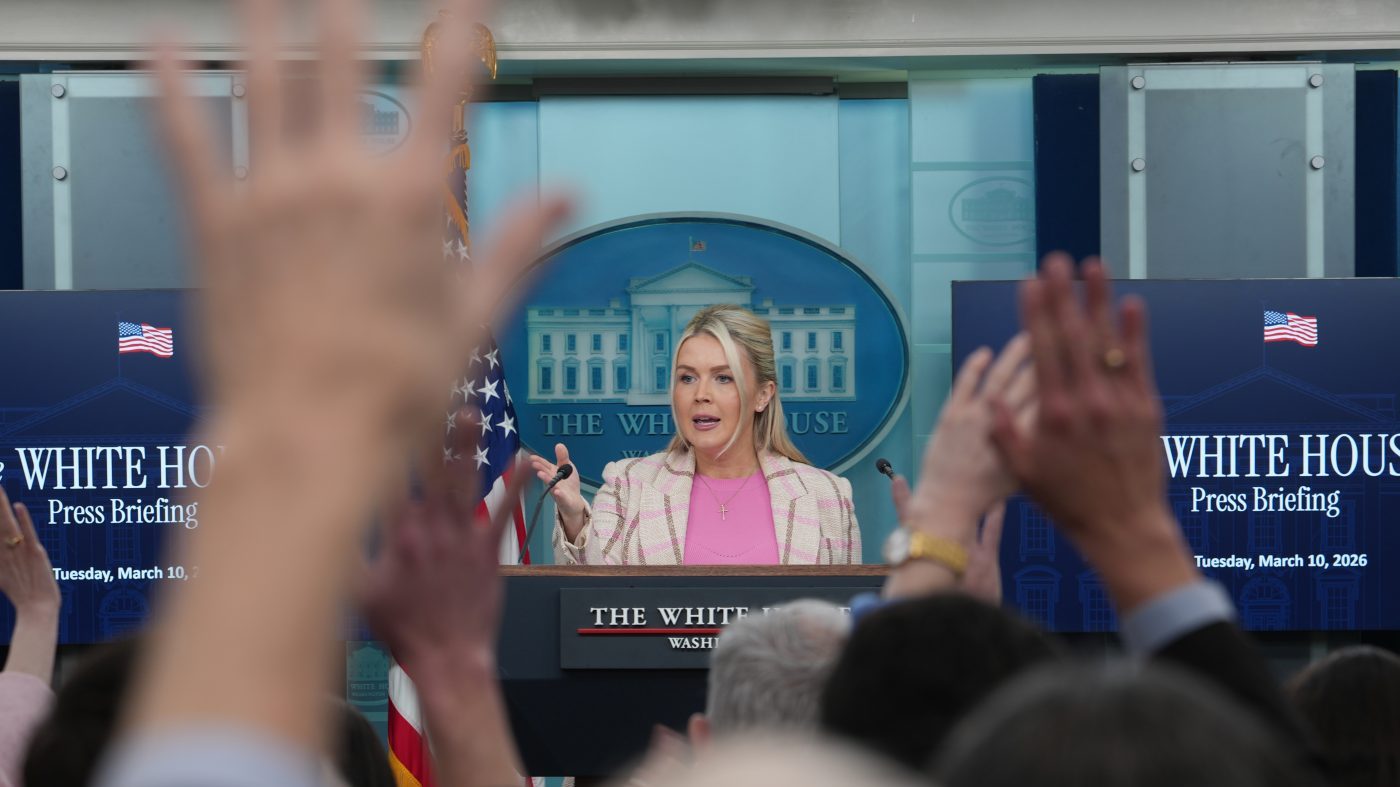
The White House is preparing to address reporters this afternoon as a major diplomatic initiative toward Iran appears to falter at its outset. Press Secretary Karoline Leavitt will take questions following reports that Tehran has dismissed a comprehensive U.S. proposal aimed at de-escalating the ongoing Middle East conflict.
According to information provided by Pakistani intermediaries to The Associated Press, the American plan consists of 15 distinct points. The proposal reportedly offers Iran significant economic incentives, including the relief of international sanctions, in exchange for concrete security concessions. These concessions would involve limits on ballistic missile development, a verifiable rollback of its nuclear enrichment program, and enhanced monitoring by the International Atomic Energy Agency (IAEA). The plan also outlines potential avenues for civilian nuclear cooperation.
Iranian Officials Deny Negotiations Are Underway
Officials in Tehran, speaking through state-controlled media, have rebuffed the initial terms. They have also explicitly pushed back against assertions from the Trump administration that substantive negotiations between the two nations are currently in progress regarding the war that began on February 28. This public rejection creates a significant hurdle for U.S. diplomats seeking a diplomatic off-ramp to the crisis.
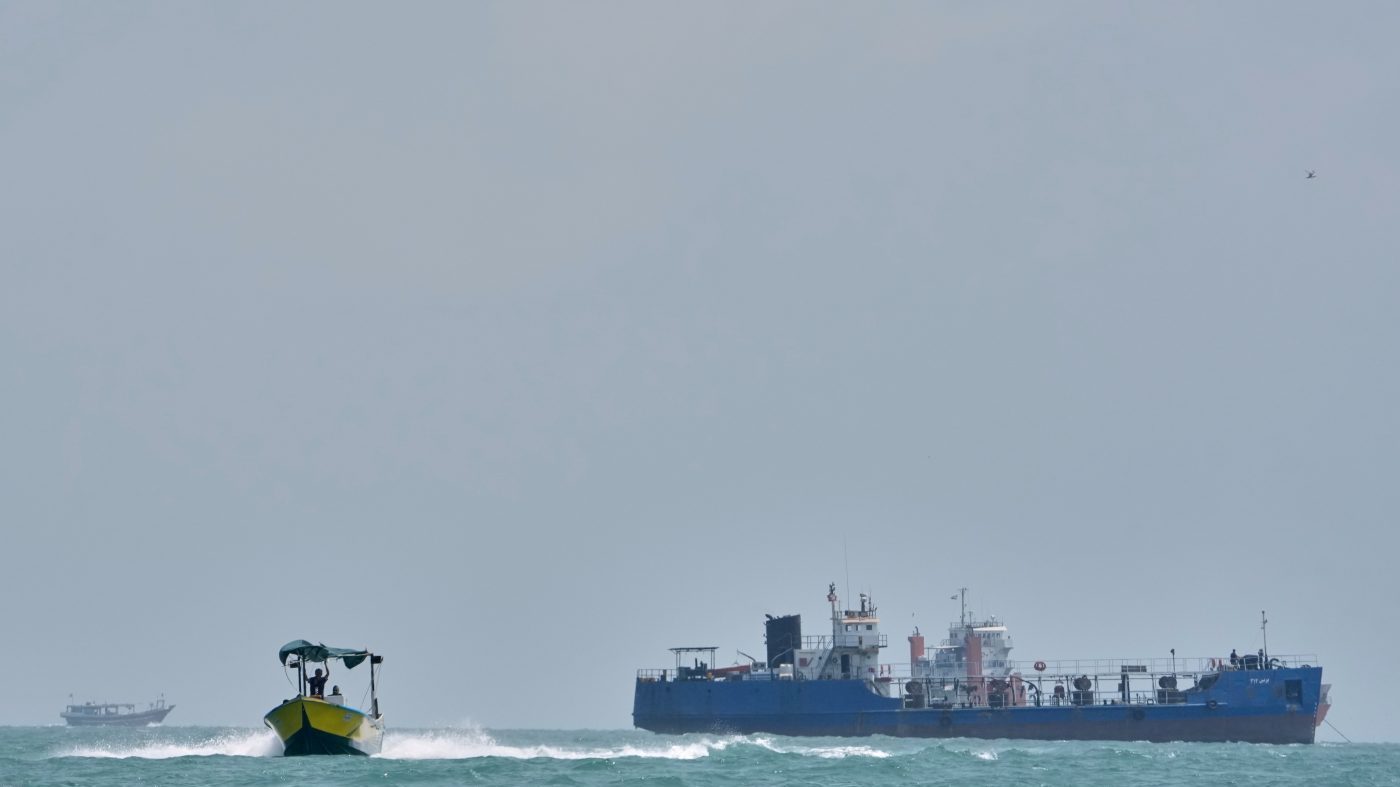
The briefing comes amid a tense military and rhetorical standoff. President Trump had previously warned the Islamic Republic that the United States would target Iranian energy infrastructure if it refused to keep the Strait of Hormuz open for oil transport. However, on Monday, the President stated he was pausing that specific threat, citing what he called "productive" discussions, even as domestic gas prices remain elevated. This pause suggests a calculated diplomatic opening, even as Congress remains gridlocked on related national security funding.
The detailed nature of the reported proposal, passed through third-party channels, indicates a serious, though indirect, effort by Washington to outline a potential settlement. The involvement of sanctions relief as a central pillar points to an attempt to leverage economic pressure for strategic gains, a tactic the administration has employed elsewhere. However, the immediate dismissal from Iran underscores the profound distrust between the two governments and the complex regional dynamics at play.
This development occurs against a backdrop of continued military strikes across the region, raising the stakes for any potential diplomatic breakthrough. The administration's challenge will be to convince both Tehran and domestic audiences that a viable path forward exists. The press conference will likely face questions about the authenticity of the reported plan, Iran's specific objections, and whether the U.S. is prepared to modify its terms.
Further complicating the landscape, Iranian media has framed Trump's pause on threats as a retreat driven by economic pressure, attempting to claim a propaganda victory. How the White House counters this narrative while maintaining a position of strength will be a key focus of today's briefing.
The scheduled briefing for 1 p.m. EDT will be closely watched by allies, adversaries, and markets for any signals on the future direction of U.S. policy. The administration's next steps, whether toward further diplomacy or renewed escalation, will have significant implications for global energy security and regional stability. The situation remains fluid, and today's comments from the press secretary will provide critical insight into the state of this high-stakes geopolitical confrontation.