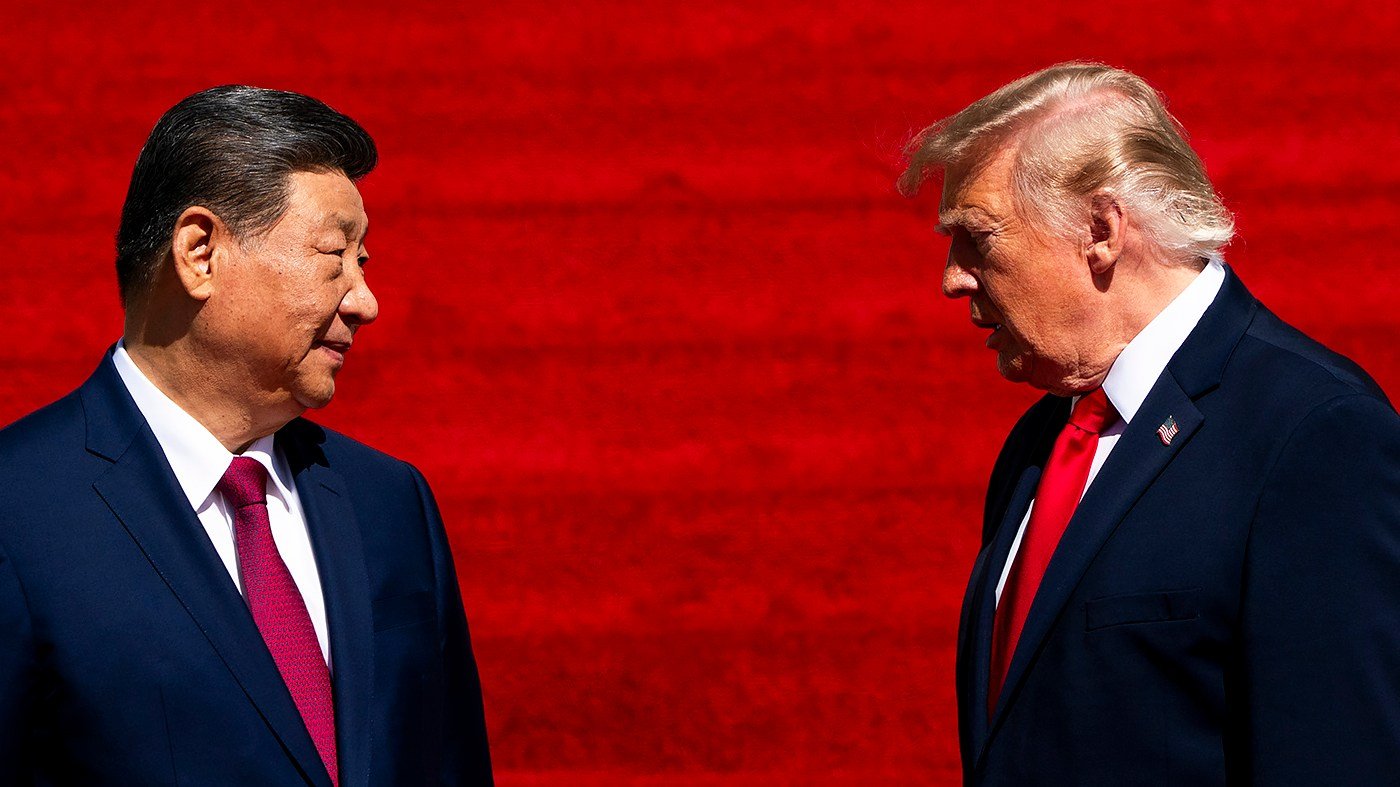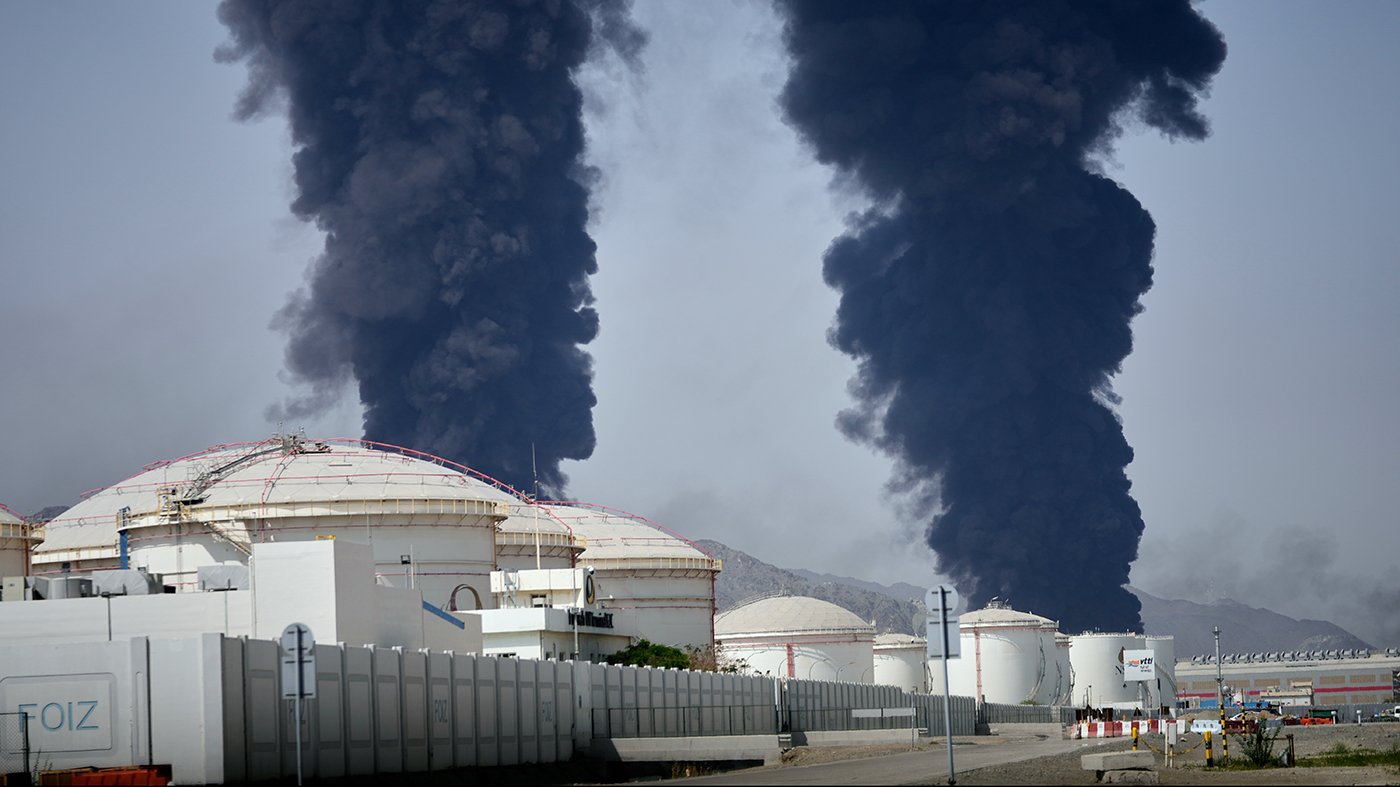
Senior Iranian officials issued a series of defiant statements on Tuesday, publicly rejecting negotiations with the Trump administration despite Washington's characterization of recent diplomatic contacts as productive. The remarks highlight the deep distrust between the two governments amid ongoing regional conflict and a push for a ceasefire.
Public Denials and Claims of U.S. Retreat
Saeed Jalil, a key representative of Iran's Supreme Leader to the Supreme National Security Council, asserted that recent events represent merely "the tip of the iceberg." He claimed Iran's "power has emerged" during a period of increasing international calls to de-escalate Middle East tensions. This rhetoric directly contradicts President Trump's announcement on Monday of a five-day pause on strikes targeting Iranian energy infrastructure, which he said followed a "productive" discussion with Tehran.
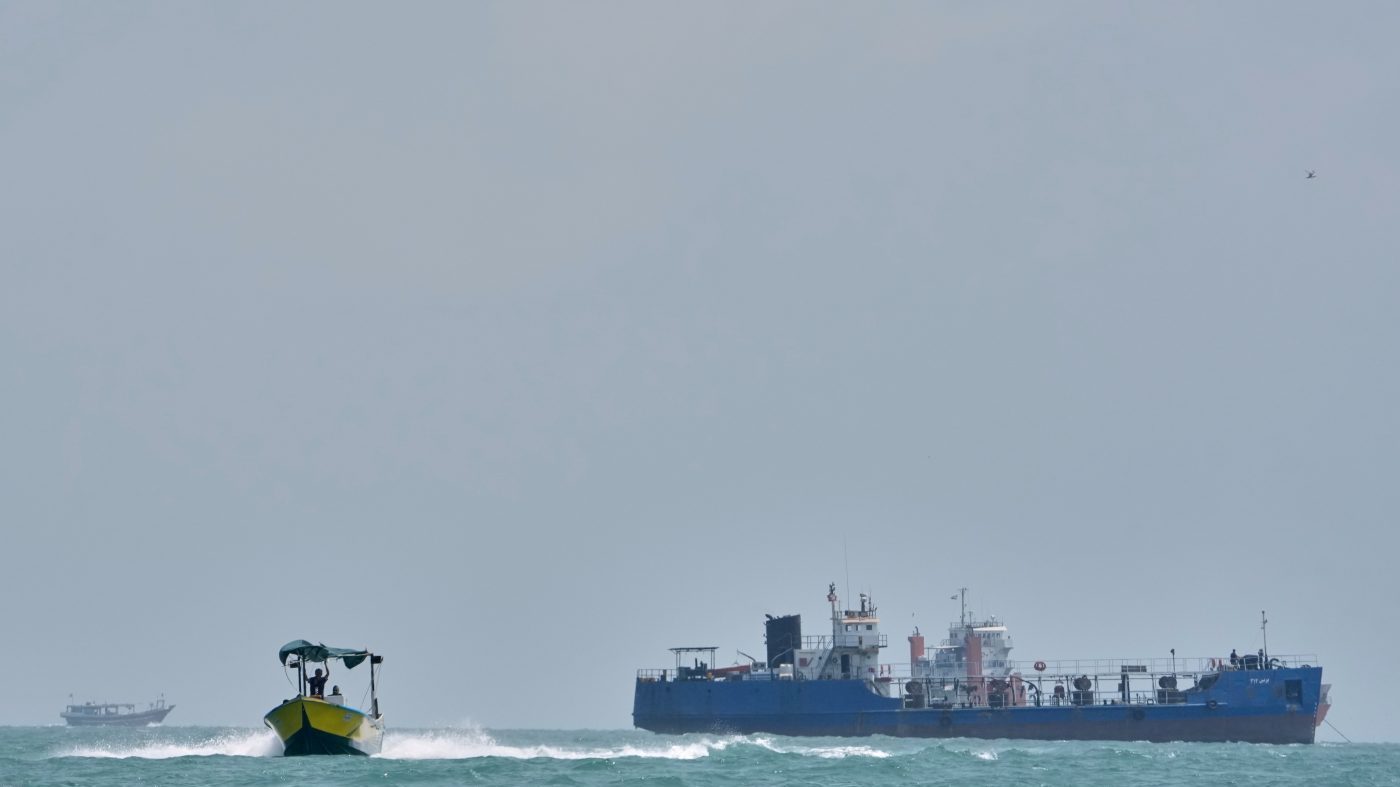
Multiple Iranian officials explicitly denied engaging in negotiations with the White House. Instead, they alleged that "Trump backed down" from further military aggression due to intense economic pressure resulting from the closure of the Strait of Hormuz, a critical global oil chokepoint. The blockade has caused significant spikes in global oil and gas prices, though markets saw a slight retreat following the U.S. decision to pause strikes.
Hardline Rhetoric and Accusations
The Iranian political establishment framed its position through a lens of asymmetric leverage. Hosamoddin Ashena, an Iranian politician, wrote on social media platform X: "We have experienced 'negotiating with the bomb' and 'negotiating with terror.' You, too, will experience 'negotiating with the missile' and 'negotiating with a closed strait." This statement underscores Tehran's strategy of leveraging regional military and economic pressure points.
Iran has consistently argued that the Trump administration violated international law by striking its energy facilities, a school site, and other critical infrastructure. Officials maintain that a major U.S. offensive on February 28 occurred while negotiations with the White House were supposedly underway. This context of military action during diplomatic overtures has fueled Iranian skepticism. The domestic political fallout for President Trump is becoming evident, as reflected in recent polling showing his approval rating declining amid the conflict and rising fuel costs.
Diplomatic Isolation and Legal Condemnation
In a formal statement on Tuesday, Iranian Foreign Minister Abbas Araghchi criticized what he called the decline of international law in practice. "A reality stemming from the West's double standards regarding Gaza, in relation to Ukraine, and its silence in the face of aggression by the United States and Israel against Iran," Araghchi stated. He offered rare praise for German President Frank-Walter Steinmeier for condemning the violation of Iranian rights—a stance he labeled uncommon among Western leaders.
Despite Tehran's public posturing, regional diplomatic efforts continue. Mediators from Pakistan, Egypt, and Turkey have agreed to persist in their roles, attempting to bridge the gap between the adversarial capitals. However, Iranian officials spent Tuesday actively distancing the regime from any potential negotiation track, creating a complex backdrop for these third-party efforts.
Historical Distrust and Political Context
The roots of the current impasse run deep. Jalil, in another post on X, referenced past U.S. rhetoric, noting: "The one who once spoke of regime change and the fragmentation of Iran now hopes that someone in Iran will engage in dialogue with him; though this, too, is merely an attempt at deception." This sentiment captures the profound historical grievance that colors Tehran's view of Washington, making any diplomatic breakthrough exceptionally challenging. The situation is further complicated by ongoing concerns over Iran's nuclear program, with the IAEA recently warning of nuclear safety risks following reported strikes near Iranian facilities.
The standoff occurs against a backdrop of intense domestic political maneuvering in the United States. President Trump's approach to Iran has faced scrutiny and opposition, including a recent Senate vote that rejected a bid to curtail his war authority regarding Iran. Furthermore, he has claimed victory in the conflict, revealing that top defense officials opposed the current ceasefire. As both capitals maintain hardened public positions, the path to sustained de-escalation remains fraught with the risk of miscalculation and renewed violence.