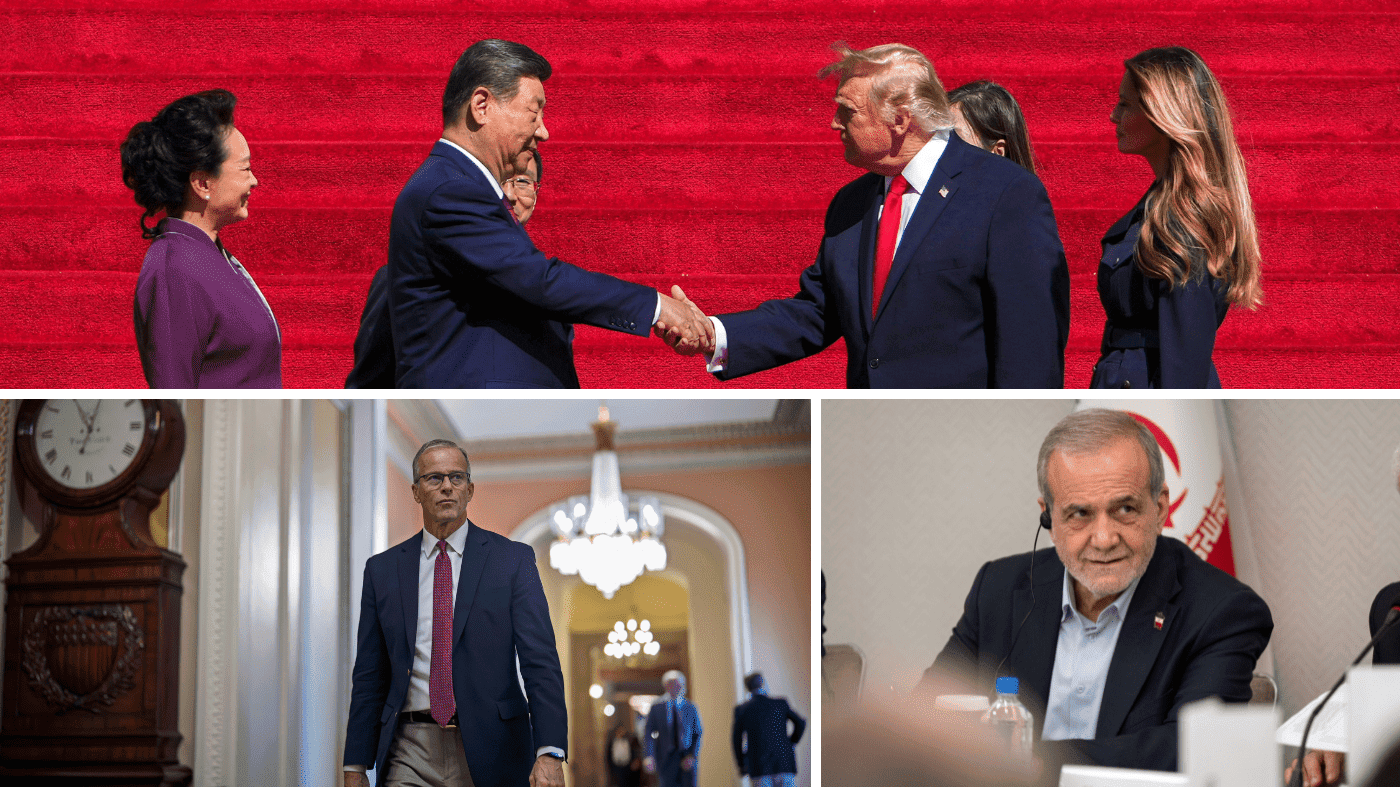
The Senate on Tuesday night rejected a Democratic-led effort to constrain presidential war powers regarding Iran, defeating a resolution that would have required congressional authorization for any new military action. The 47-53 vote fell largely along partisan lines, marking another chapter in the ongoing legislative struggle over the scope of executive authority in the ongoing conflict.
Cross-Aisle Exceptions Highlight Political Divides
Only two senators broke from their party's position. Senator Rand Paul of Kentucky was the sole Republican to vote in favor of the resolution, continuing his longstanding constitutionalist stance on war powers. On the Democratic side, Senator John Fetterman of Pennsylvania voted against the measure, reflecting his consistent support for Israel and its military operations. The resolution, spearheaded by Senator Chris Murphy of Connecticut, sought to prevent President Trump from expanding U.S. military involvement in the joint U.S.-Israeli campaign against Iran without explicit congressional consent.
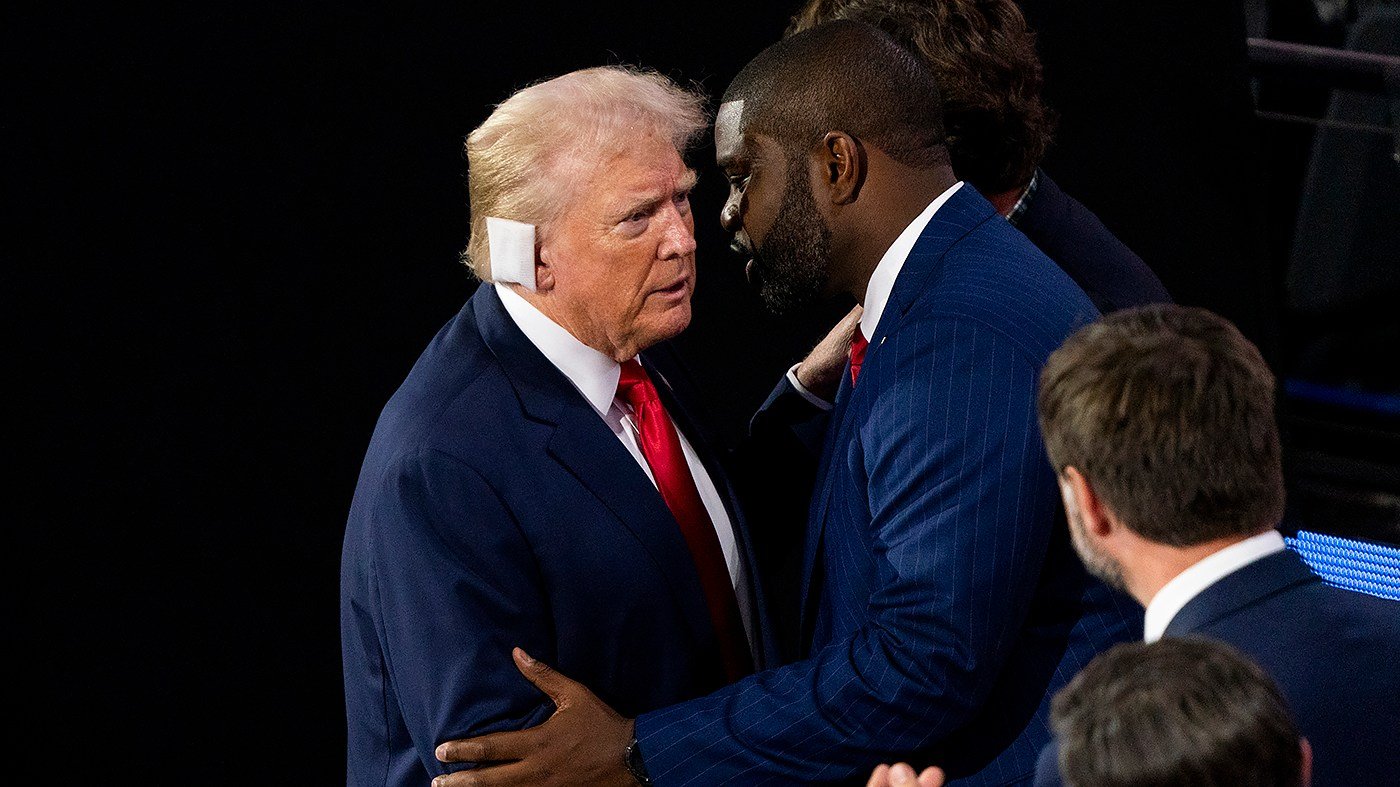
"This is our only opportunity to debate this tragic war," Murphy told reporters before the vote. "We need to continue putting Republicans on record. Public support for this conflict is declining, not growing." The Connecticut Democrat framed the repeated votes as an effort to force discussion on a war that has driven up energy prices and prompted the White House to seek a $200 billion supplemental funding package.
Pattern of Repeated Challenges
Tuesday's outcome mirrored a similar vote held less than a week earlier, continuing a pattern of Democratic attempts to check presidential war authority. This marks at least the third such resolution Democrats have filed specifically targeting military hostilities with Iran. The strategy forces Republican senators to repeatedly debate and vote on the conflict unless they agree to hold public hearings—a concession the majority has thus far refused.
Other recent Democratic efforts have met similar fates. A resolution led by Senator Cory Booker of New Jersey was blocked by Republicans last week, while another from Senator Tim Kaine of Virginia failed earlier this month. These legislative maneuvers represent what Democrats describe as their only viable mechanism to challenge an administration they accuse of avoiding congressional oversight on matters of war and peace.
Strategic Context and Contradictory Signals
The vote occurred amid contradictory signals from the administration about its intentions in Iran. President Trump has recently indicated a desire to wind down the conflict, facing mounting political pressure over soaring energy prices and warnings of a potential global economic downturn. Analysts suggest the war's economic consequences are becoming increasingly difficult to ignore, with some experts warning the global shockwaves could surpass those of the Iraq War.
Simultaneously, the Pentagon continues military preparations that suggest potential escalation. Thousands of additional troops from the 82nd Airborne Division are deploying to the Middle East, and reports indicate the administration is considering a ground operation to seize Iran's Kharg Island, a critical oil export terminal. This dual-track approach—diplomatic signals toward de-escalation alongside military reinforcement—has created uncertainty about the conflict's trajectory.
Broader Implications and Nuclear Concerns
The military confrontation has raised alarms beyond immediate battlefield concerns. The International Atomic Energy Agency has warned of nuclear safety risks following reported strikes near Iranian power facilities, highlighting how conventional warfare could inadvertently trigger radiological consequences. Meanwhile, the Pentagon has confirmed using advanced artificial intelligence systems in the conflict, even as it faces legal challenges over the technology's procurement, illustrating the increasingly technological nature of modern warfare.
Republican leadership has consistently backed the president's authority as commander-in-chief, arguing that such resolutions undermine strategic flexibility and send dangerous signals to adversaries. This support has ensured that no war powers legislation targeting the administration's actions has passed the Senate, despite Democratic persistence. The repeated votes have nonetheless created a record of congressional sentiment that could influence future debates, particularly as the conflict's economic and human costs accumulate and public opinion potentially shifts.