In a stark assessment of the ongoing conflict, former U.S. Ambassador to NATO Ivo Daalder contends that the war with Iran will generate significantly more severe global repercussions than the 2003 invasion of Iraq, fundamentally challenging economic stability, international partnerships, and the existing world order.
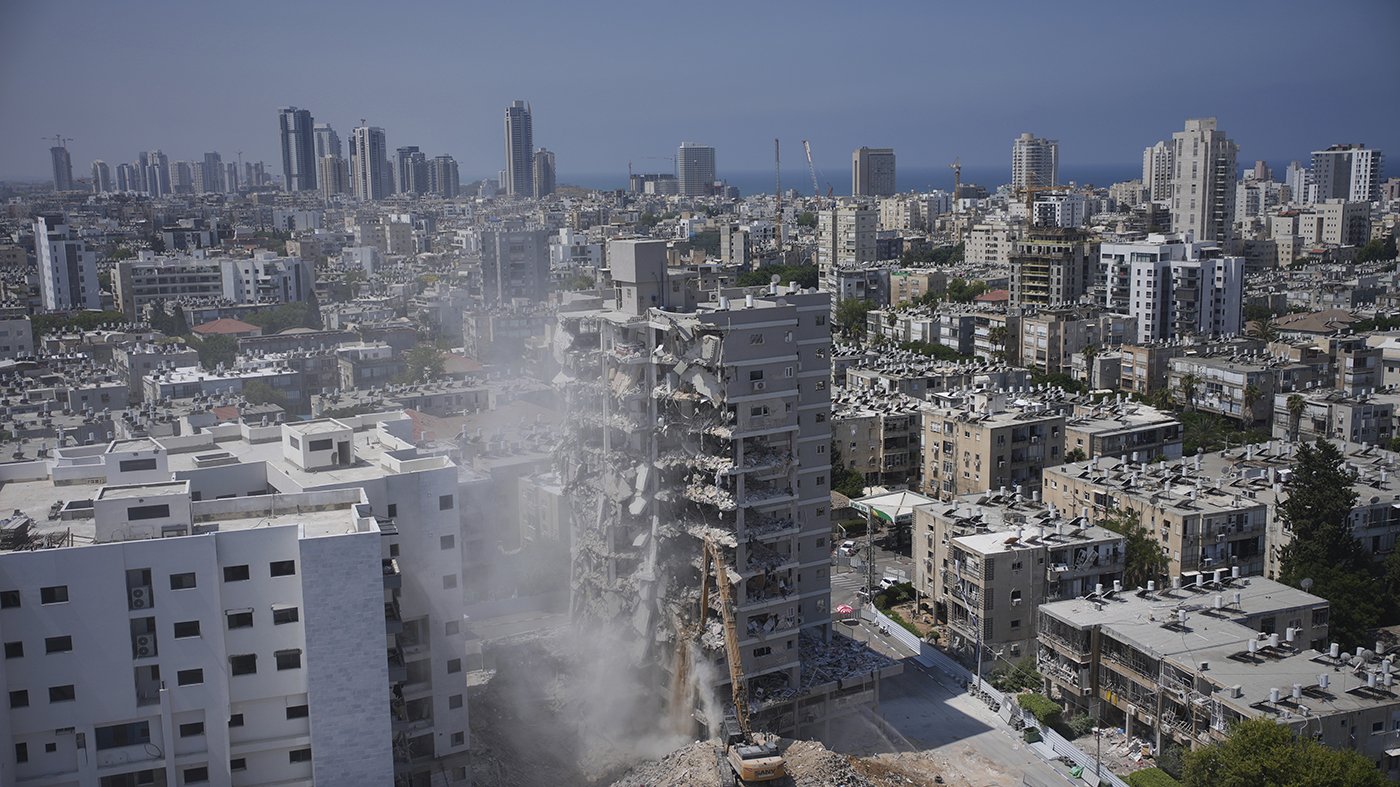
Writing in an op-ed, Daalder stated that within its first month, the conflict has already triggered the most severe disruption to global oil and gas supplies in recorded history. He warned that as hostilities increasingly target energy infrastructure, the economic pain will be universal and long-lasting, persisting for months or years even after any potential ceasefire.
"The damage already inflicted on the global economy exceeds the total economic consequences of the entire Iraq War," Daalder wrote. "Geopolitically, this conflict will also have far greater reverberations." He drew a parallel between the decision to go to war with Iran and what he termed the strategic "miscalculation" of the Iraq War under President George W. Bush, but noted a critical divergence in diplomatic approach.
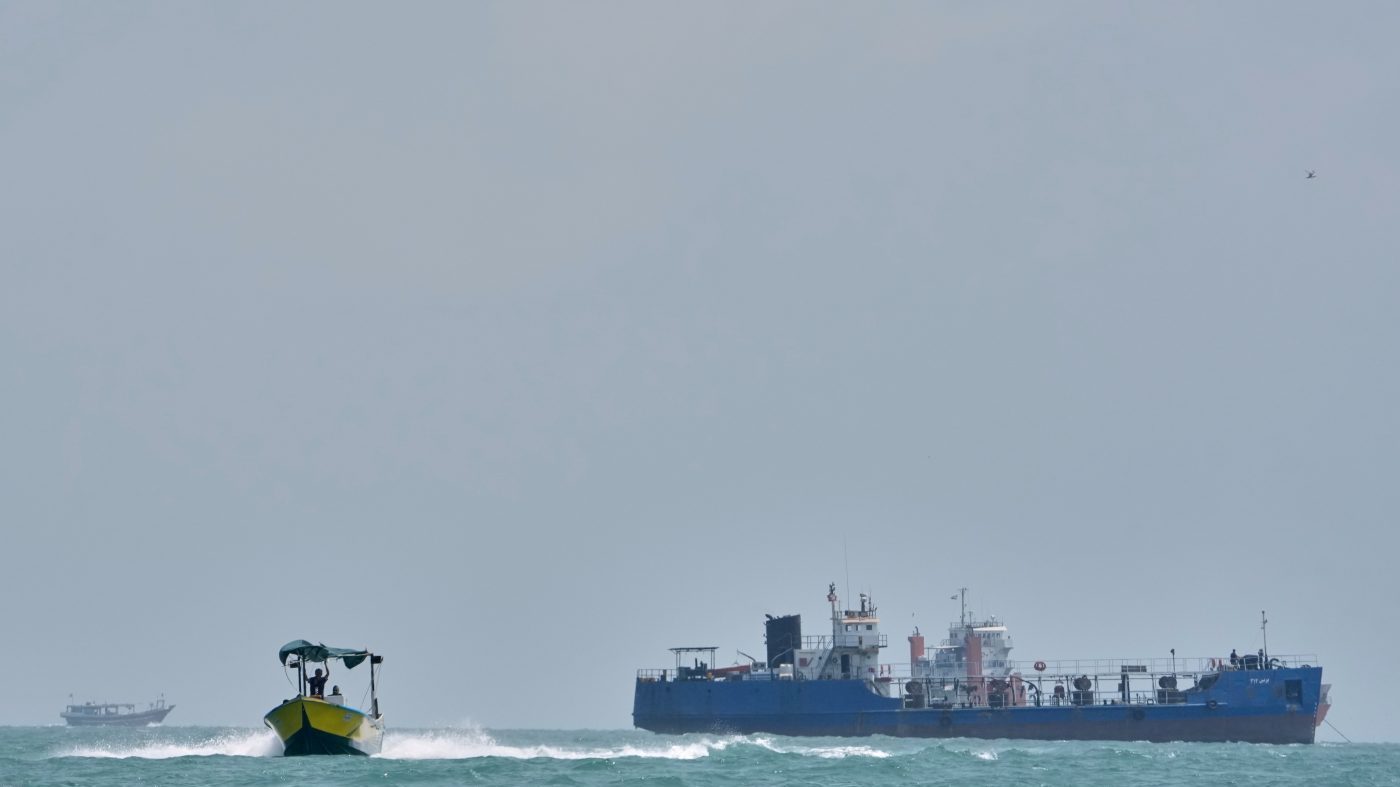
Daalder argued that the Bush administration, despite its errors, worked to build a coalition and deployed ground forces in an attempt to stabilize post-invasion Iraq. In contrast, he claims the current administration made no effort to consult or secure support from key allies before initiating hostilities. This failure was compounded, he wrote, when the U.S. subsequently demanded allied navies protect oil tankers after Iran closed the Strait of Hormuz, even as the U.S. Navy itself reportedly held back.
The result, according to Daalder, is a profound crisis of confidence among traditional U.S. partners. "While Iraq left many U.S. allies deeply scarred, Iran has convinced them they can no longer rely on the U.S., and that Washington is now a real threat to their economic security," he asserted. This sentiment is echoed in domestic political friction, where former Trump allies are now leading an internal revolt against the administration's war strategy.
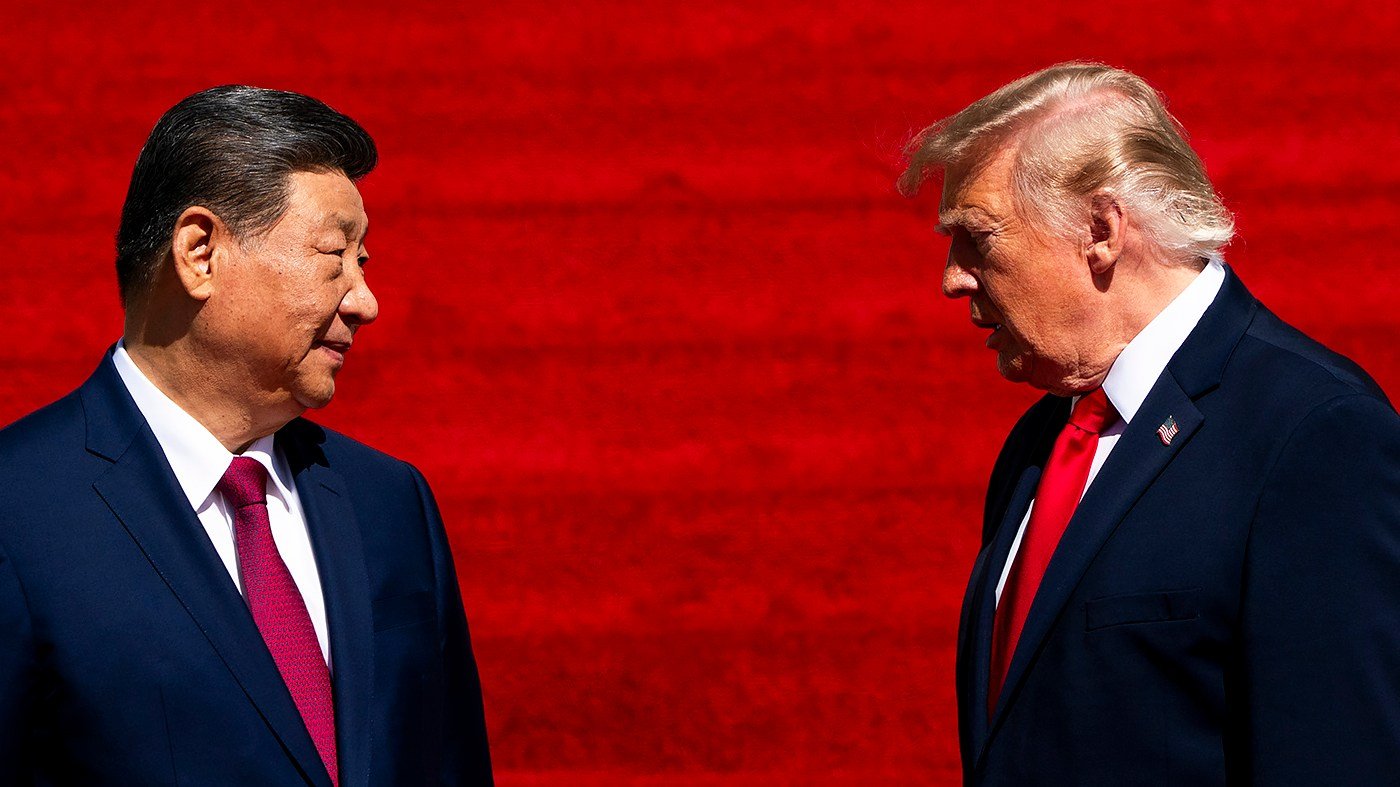
The immediate economic impact is soaring crude oil prices, creating severe challenges for oil-importing nations in Asia and Europe. With the Strait of Hormuz effectively closed and shipping threatened by mines and attacks, Daalder identifies two major geopolitical beneficiaries: Russia and China.
"Russia is the short-term winner here," he wrote, noting that rising oil prices funnel over $150 million in extra daily revenue to Moscow, bolstering its war effort in Ukraine. He criticized concurrent U.S. moves to relax some sanctions on Russian energy in a bid to curb prices, arguing it comes at the expense of Ukraine, which is being deprived of advanced defensive systems now redirected to the Middle East.
China, Daalder suggests, gains strategic advantage as the U.S. pivots military assets—including a carrier group, missile defenses from Korea, and Marines from Japan—from the Indo-Pacific to the Middle East for a prolonged deployment. Although China faces its own energy supply challenges, Daalder contends its aggressive renewable energy transition and partnership with Russia position it to weather the crisis and emerge more confident.
The administration's stance continues to face criticism from across the political spectrum, including from former national security officials who have warned against specific escalatory actions. Meanwhile, the domestic political fallout is spreading, influencing debates in key races like the Georgia runoff where candidates are sharply divided on the war and its economic toll.
Daalder's analysis presents a grim forecast: a conflict that began with less allied consultation than the Iraq War is poised to unleash deeper economic chaos and more enduring damage to America's global standing, with rival powers strategically positioned to capitalize on the disruption.