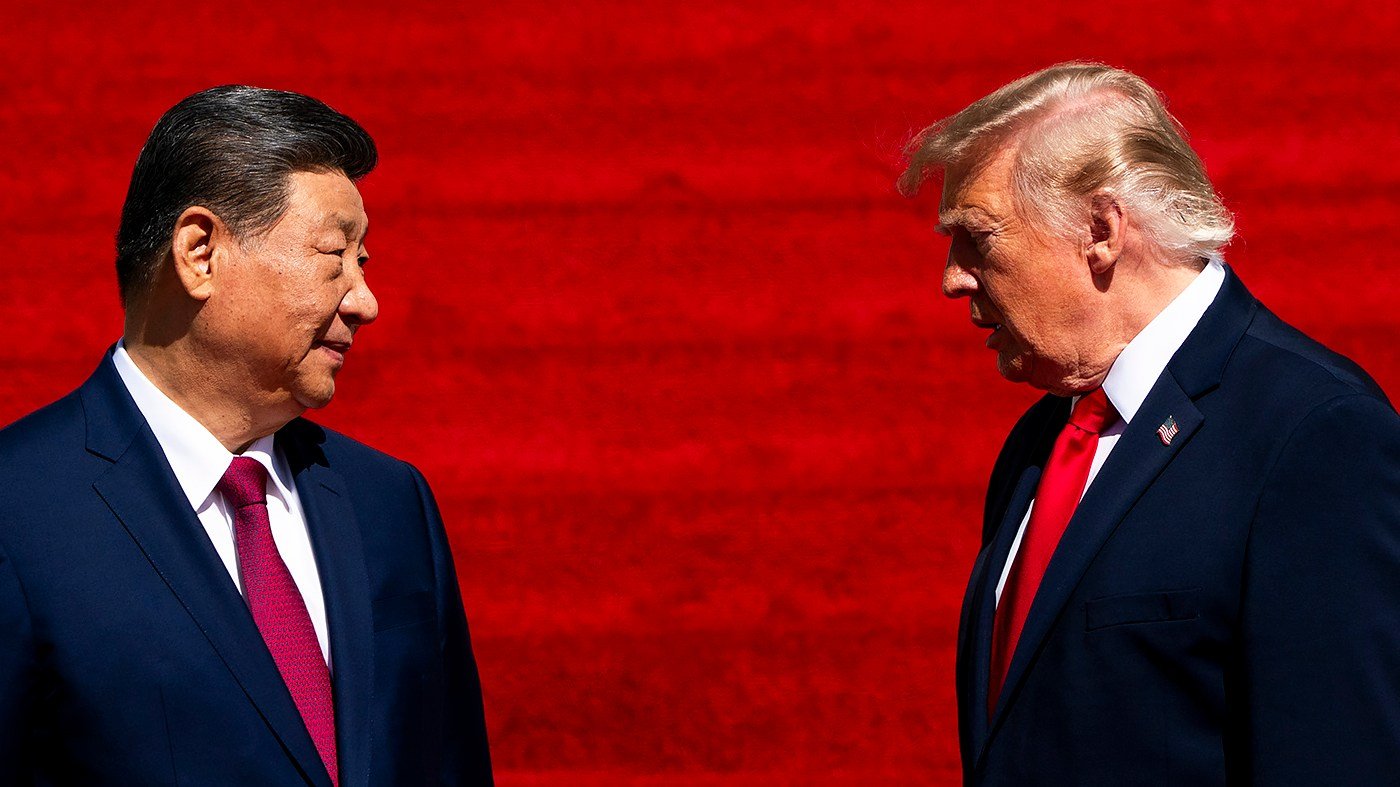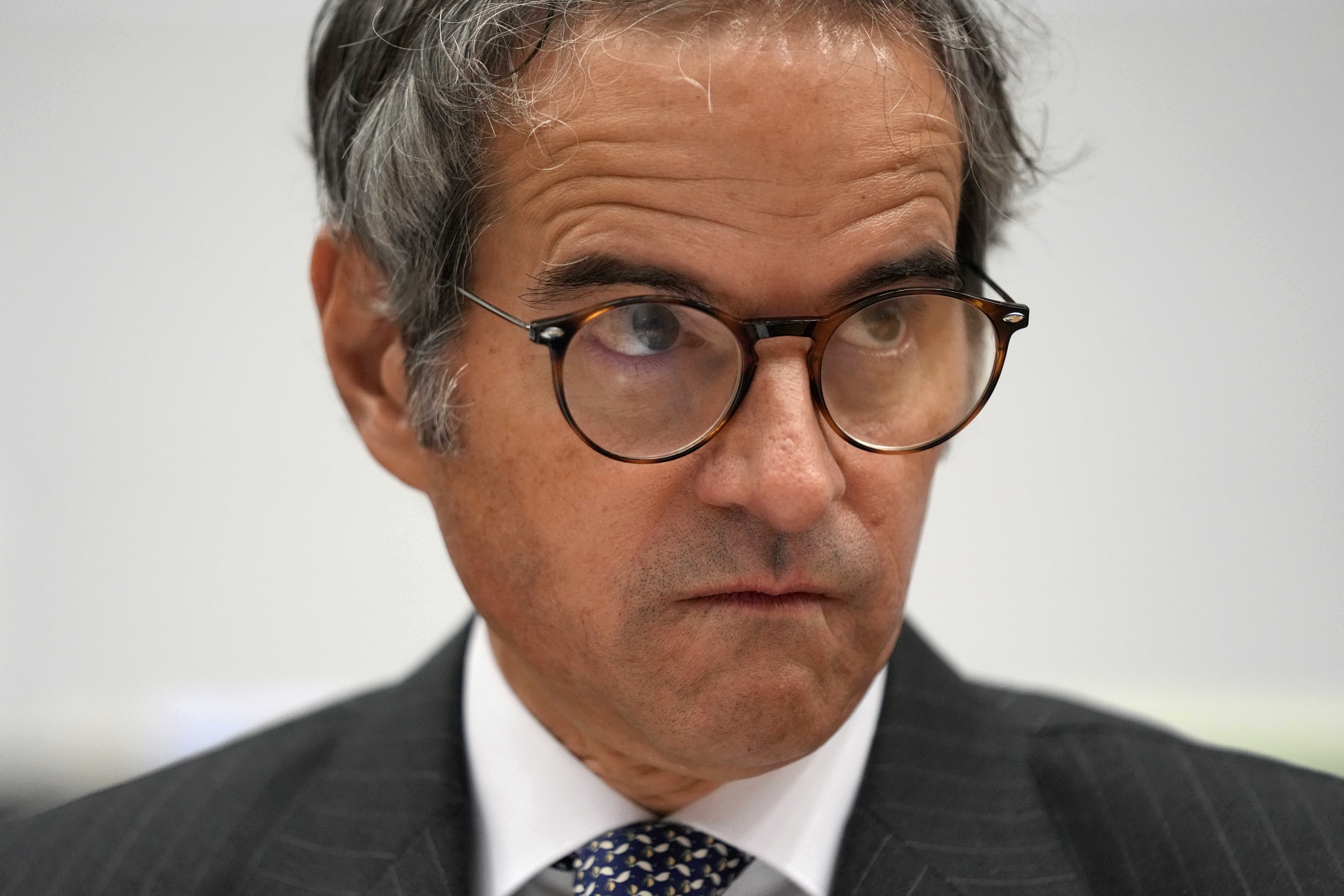
The head of the United Nations' nuclear watchdog issued a stark warning Tuesday after Iran reported a military strike in close proximity to its Bushehr Nuclear Power Plant. International Atomic Energy Agency Director General Rafael Grossi used social media to call for "maximum restraint to avoid nuclear safety risks during conflict," highlighting the acute dangers of military action near nuclear facilities.
Tehran Claims No Damage, Blames U.S. and Israel
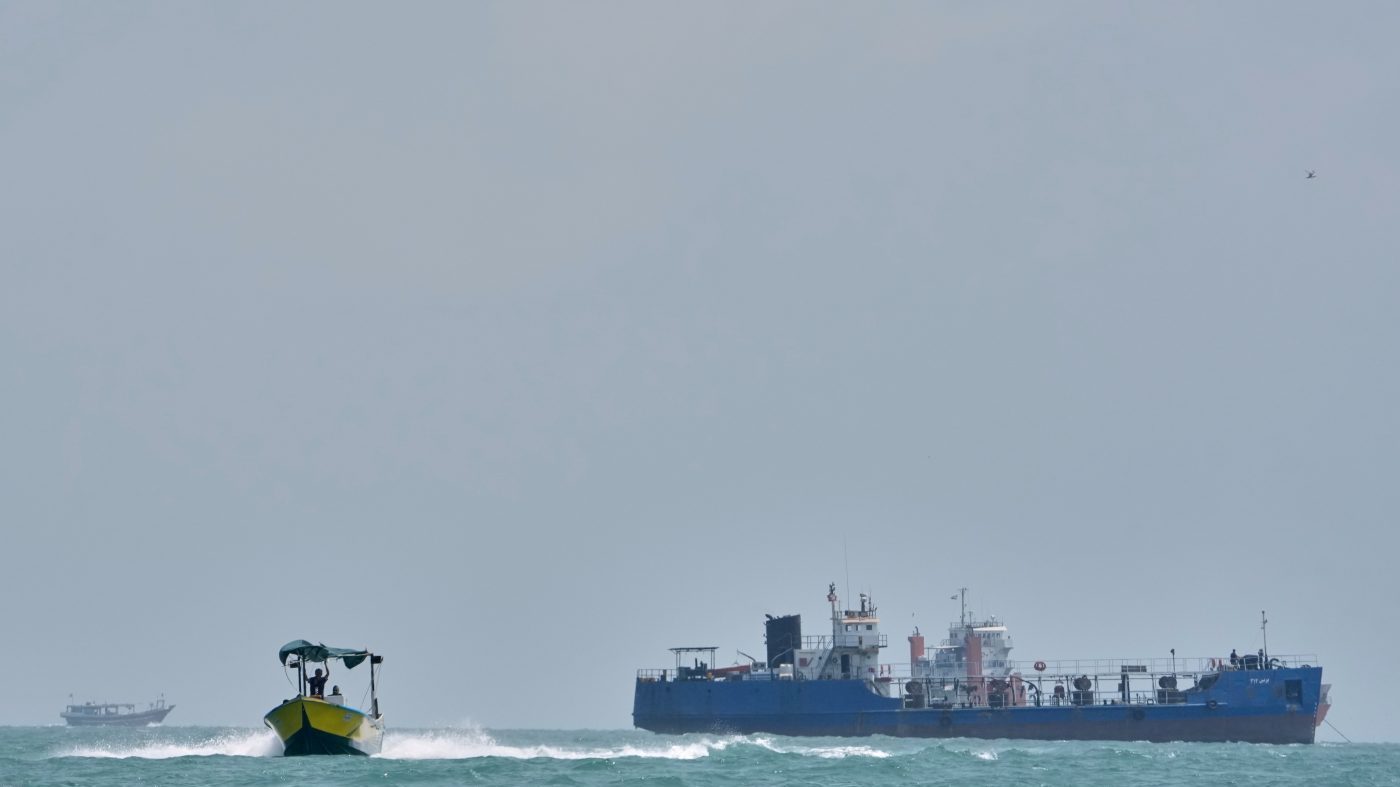
Iran's Atomic Energy Organization stated that the plant itself sustained no damage and that no personnel were injured. The Iranian government attributed the strikes to the United States and Israel, condemning the action as a "blatant violation of international rights and regulations and a serious threat to regional security" in its own social media post. The reported incident occurs against a backdrop of escalating regional tensions and contradictory diplomatic signals from Washington.
Contradictory Signals from Washington
The strike report follows a statement from President Trump on Monday describing "good and productive" peace talks with Iran, with a senior Iranian official confirming Tehran was reviewing an American proposal. This juxtaposition of military action and diplomatic overtures underscores the volatile nature of current U.S.-Iran relations. The administration has previously shown a pattern of pausing military action to claim diplomatic progress, often with immediate market repercussions.
Defense Secretary Pete Hegseth, speaking alongside President Trump in the Oval Office, articulated a hardline stance that frames military power as a central tool of negotiation. "We negotiate with bombs," Hegseth stated bluntly. He described U.S. aircraft "loiter[ing] over the top of Tehran" as part of the administration's pressure campaign, directly linking military presence to diplomatic demands.
Pentagon's Role in "Negotiation"
Hegseth explicitly positioned the Defense Department as an active participant in the diplomatic process, reiterating the administration's core objective. "The president has made it clear that you will not have a nuclear weapon, the War Department agrees, our job is to ensure that," he said. "We're keeping our hand on that throttle as long, as hard as is necessary to ensure the interests of the United States of America are achieved on that battlefield." This rhetoric aligns with previous administration credit given to Hegseth for his early support of military action against Iran.
The IAEA, based in Vienna, is the global authority charged with promoting nuclear safety and security. Grossi's public intervention underscores the grave international concern that conflict near operational nuclear reactors could lead to catastrophic radiological consequences, regardless of the immediate military outcome. The Bushehr plant is Iran's only operational nuclear power station.
Broader Context of Failed Diplomacy and Military Action
The reported strike is presented as a continuation of joint U.S.-Israeli military operations initiated after the collapse of negotiations for a renewed nuclear deal. This cycle of action and reaction has defined the relationship for years, with the Trump administration employing a "maximum pressure" campaign that has increasingly relied on kinetic options. The administration has at times ordered temporary halts to planned strikes while claiming diplomatic openings, creating a unpredictable rhythm of escalation and pause.
The immediate safety of the Bushehr facility may be assured for now, but the IAEA's warning points to a larger, systemic risk. As military and diplomatic channels operate simultaneously—and often at cross-purposes—the potential for miscalculation near sensitive nuclear infrastructure remains dangerously high. The international community will be watching closely to see if this incident triggers further escalation or becomes another data point in the volatile ledger of U.S.-Iran relations.