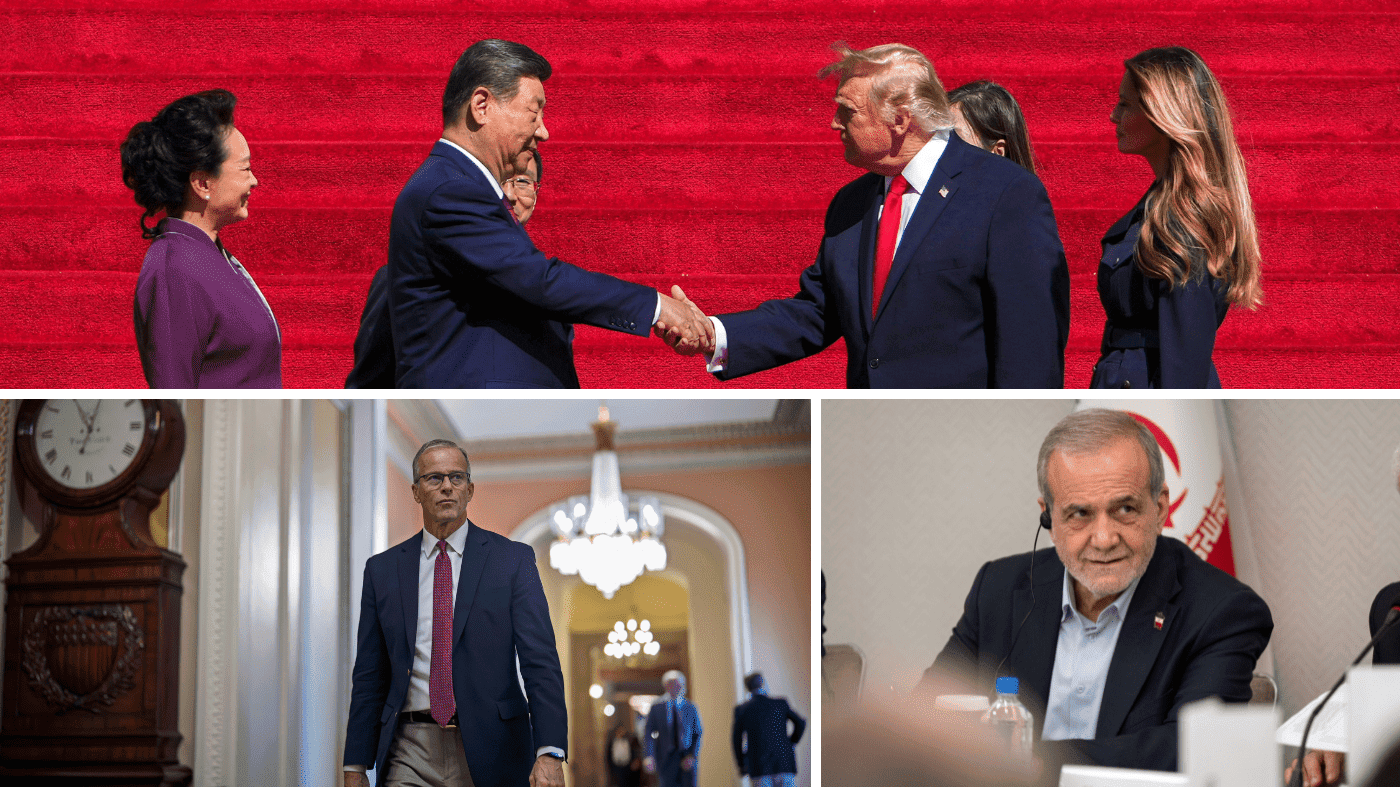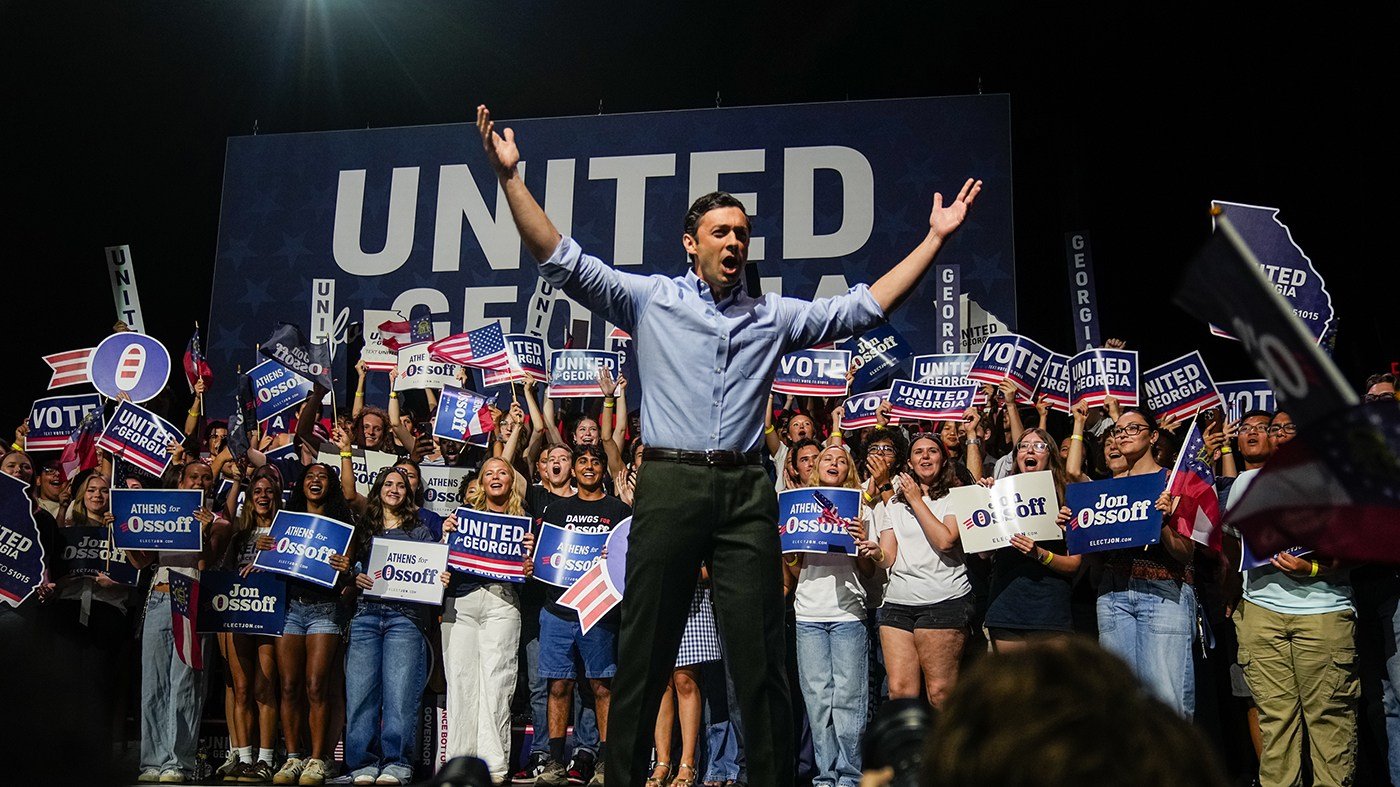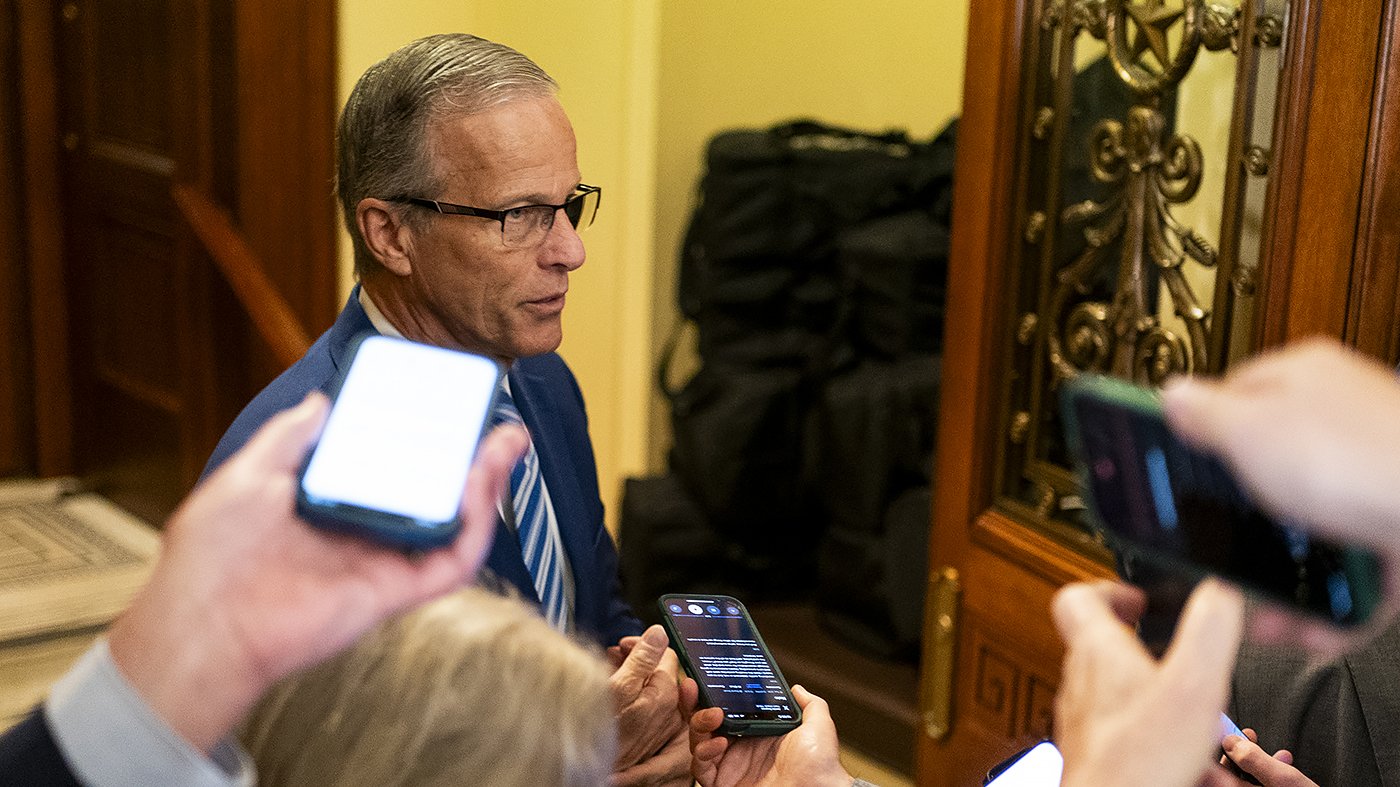
Congress remains gridlocked over funding for the Department of Homeland Security, with both parties rejecting a proposed compromise as they race against the clock before a scheduled two-week recess. The failure to reach an agreement ensures the continuation of the partial government shutdown, now one of the longest in modern history. This bipartisan opposition has stalled critical appropriations, leaving agencies operating under a continuing resolution.
President Donald Trump signaled a potential shift earlier this week, suggesting he might support a clean DHS funding bill without additional allocations for federal immigration enforcement. However, this proposal was swiftly rebuffed by Republican congressional leaders, who have opposed such a move for weeks. The president's abrupt reversals on shutdown and foreign policy tactics have created uncertainty on Capitol Hill and abroad.
Iran Dismisses U.S. Diplomatic Overture
In a separate development, Iranian officials have rejected a ceasefire proposal delivered by the United States through intermediaries, according to a report from The Associated Press. Pakistani officials revealed that Washington forwarded a 15-point plan aimed at de-escalating hostilities, but Tehran has apparently dismissed the terms. This rejection underscores the deep diplomatic rift between the two nations and follows Iran's consistent refusal to negotiate under current U.S. economic pressure.
The diplomatic setback occurs amid ongoing tensions in the region and a recent Senate vote that rejected an effort to curtail the president's war authority concerning Iran. The administration's strategy appears to be one of maximum pressure, combining sanctions with diplomatic outreach, though with limited success thus far.
Supreme Court and Political Gatherings
The Supreme Court issued opinions Wednesday morning, though the specific cases were not detailed in the initial report. The Court's current term includes several high-profile matters touching on executive authority and social policy.
Meanwhile, in Texas, the annual Conservative Political Action Conference (CPAC) is underway. The gathering is expected to highlight internal Republican dynamics, including discussions on foreign policy toward Iran and the unofficial early jockeying for influence ahead of the 2028 presidential race. The event, detailed in our coverage of CPAC Texas kicking off with Trump absent, serves as a barometer for the party's base.
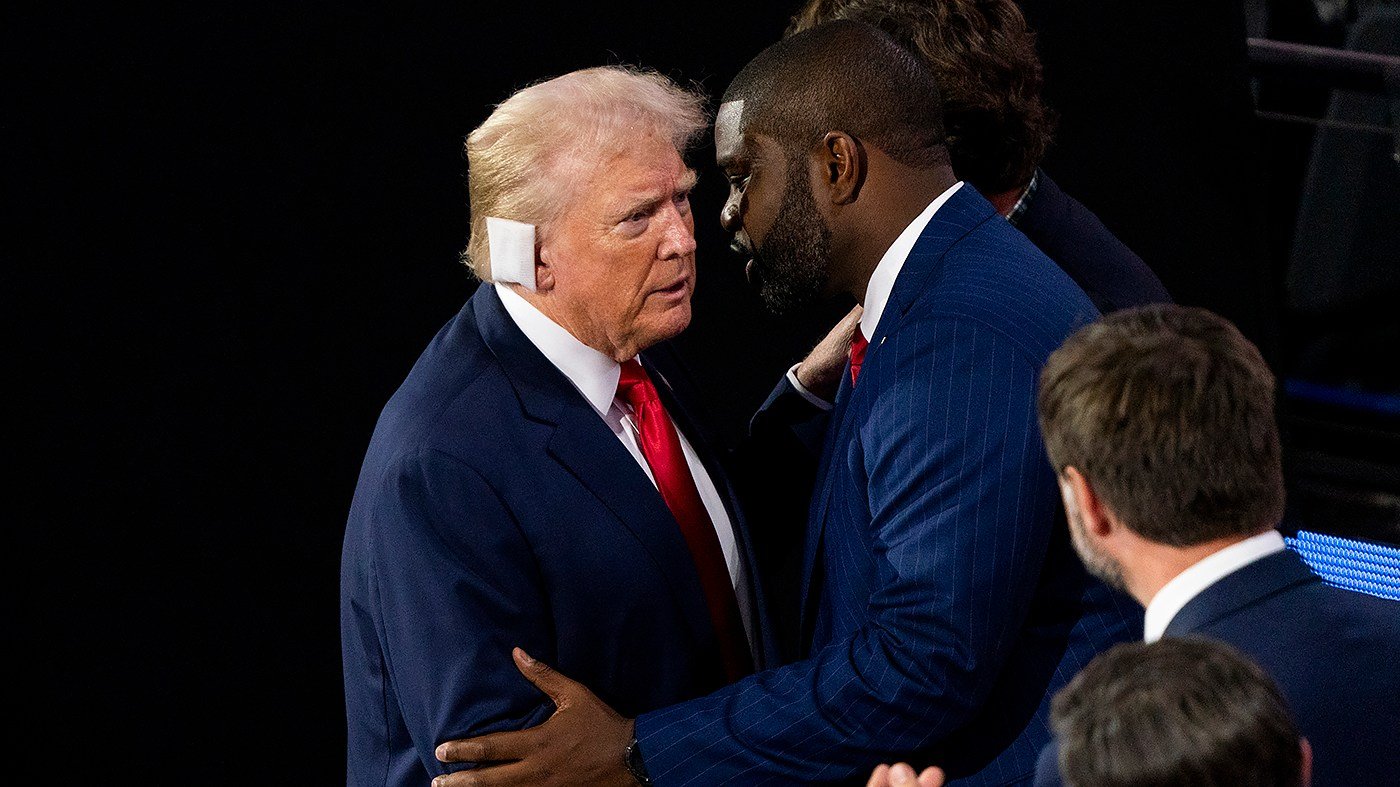
President Trump is scheduled to deliver remarks Wednesday evening at the National Republican Congressional Committee dinner in Washington, D.C. His speech is likely to address the ongoing shutdown stalemate and his administration's foreign policy objectives.
The funding impasse has become a defining battle of this congressional session, with Democrats and a faction of Republicans expressing concerns over the proposed compromise's provisions. The deadlock reflects broader disagreements over immigration policy and border security funding that have plagued Congress for years. The situation is further complicated by the upcoming recess, which increases pressure on lawmakers to find a solution or face extending the shutdown well into the next month.
The rejection of the ceasefire plan by Iran represents a significant foreign policy challenge for the administration. It suggests that Tehran is unwilling to engage diplomatically under the current framework of U.S. sanctions and demands. This development may prompt a reassessment of strategy within the National Security Council and State Department, potentially leading to a ramping up of economic pressure or other measures.
As these parallel crises unfold—one domestic and one international—they test the administration's negotiating prowess and congressional relations. The outcome of the DHS funding fight will set the tone for the remainder of the legislative session, while the response to Iran's rebuff could shape security dynamics in the Middle East for months to come.