Strategic Whiplash on Iran and Domestic Funding
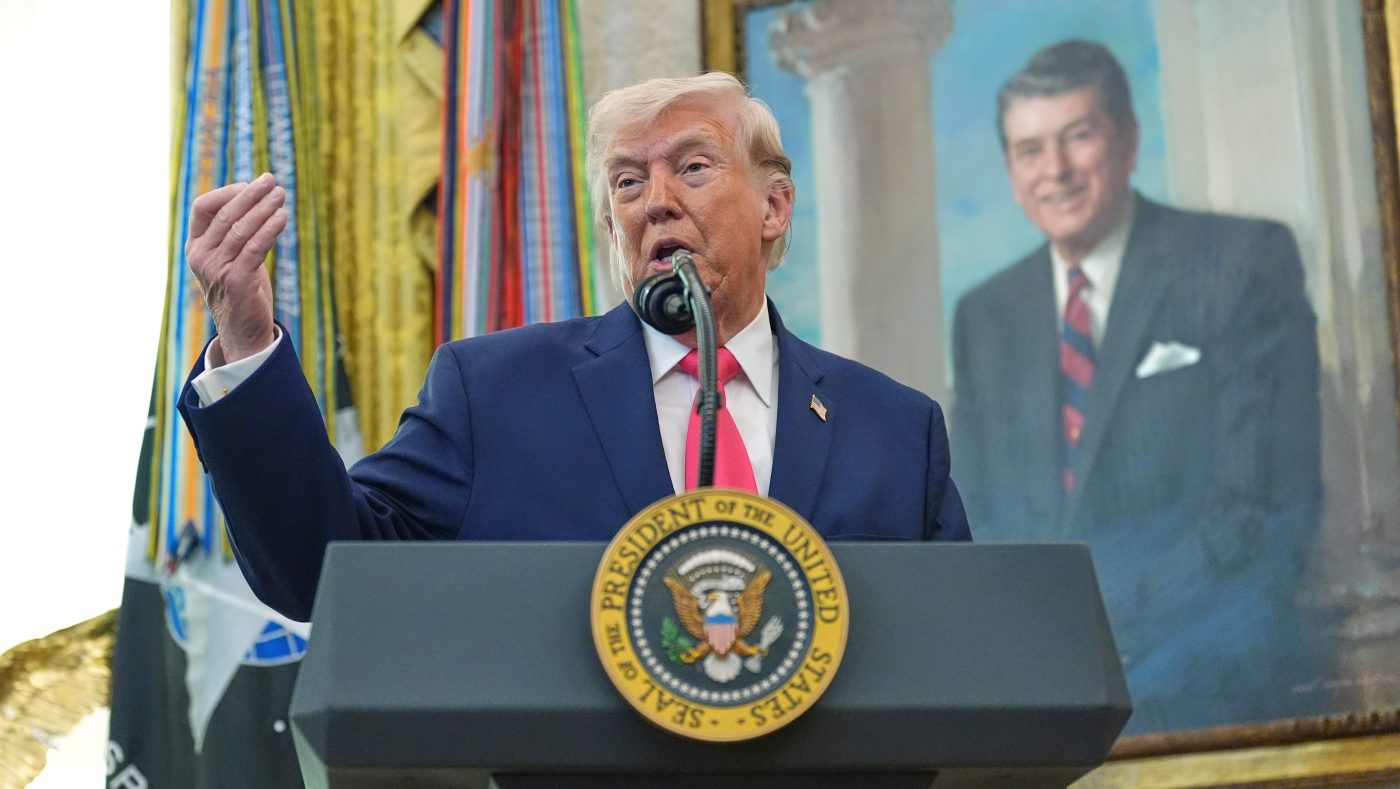
President Trump's penchant for abrupt policy reversals is creating strategic confusion on two critical fronts: the ongoing conflict with Iran and negotiations to end the partial government shutdown. Within days, the president pivoted from threatening imminent strikes on Iranian infrastructure to suggesting a winding down of hostilities, while simultaneously dropping a demand to link Homeland Security funding to unrelated voting legislation.
Iran: From Deadline to De-escalation
On Iran, Trump initially set a 48-hour deadline for attacking Iranian power stations, only to publicly postpone such actions and hint at concluding the war. This reversal triggered immediate market reactions, with stocks briefly rallying and oil prices falling before uncertainty took hold again. The president's objectives have appeared fluid, expanding from initial goals of damaging Iran's navy and nuclear program to include protecting Middle Eastern allies and, controversially, claiming regime change had already been achieved—a statement at odds with the reality of continued Islamic Republic control under new Supreme Leader Mojtaba Khamenei.
This inconsistency has drawn criticism from across the political spectrum. Senator Thom Tillis (R-N.C.) admitted he doesn't understand the war's "primary objective," calling it "a real problem." Meanwhile, Iranian officials have rejected U.S. negotiation overtures, suggesting Trump backed down due to economic pressure. Democratic strategist Mark Longabaugh argued the president "stuck his neck out too far" with threats that risked further economic disruption.
Shutdown Strategy Shifts
Domestically, Trump's Sunday evening declaration that Republicans should reject any funding deal unless Democrats supported his SAVE America Act voting legislation was abandoned by Monday night. After meeting with GOP senators, the president appeared open to a compromise that would fund most of the Department of Homeland Security while delaying decisions on contentious Immigration and Customs Enforcement allocations. This quick reversal surprised observers, though it aligns with ongoing tensions within House GOP ranks over funding strategies.
The Method Behind the Volatility?
Trump allies defend his approach as calculated negotiation. "A lot of the things he does are just for negotiation purposes, and he's really good at negotiation," said Barry Bennett, a former senior advisor to Trump's 2016 campaign. Bennett suggested confusion stems from those "naive enough" to interpret Trump's statements as fixed policy rather than opening positions in a dealmaking process.
Yet the strategic whiplash has tangible consequences. In Tehran, officials suspect Trump's peace overtures might be a bluff to buy time for military reinforcement. Regionally, Iran has established new conditions for Strait of Hormuz passage, citing self-defense needs. Domestically, the funding uncertainty continues despite Senator Katie Britt's (R-Ala.) assurance that a solution exists following the Monday meeting with Trump.
The president's volatility occurs against a backdrop of Congress rejecting efforts to curtail his war authority and increasing political pressure from both flanks. As markets continue reacting to each presidential pronouncement, and as funding deadlines loom, the only certainty appears to be more uncertainty—a reality that leaves allies and adversaries alike struggling to anticipate the administration's next move.