Former President Donald Trump’s endorsement has once again reshaped a Republican primary—this time in Florida, where Rep. Byron Donalds has become the de facto GOP nominee for governor. But the question haunting party operatives is whether that Trump seal of approval will be enough to keep the governor’s mansion in Republican hands come November.
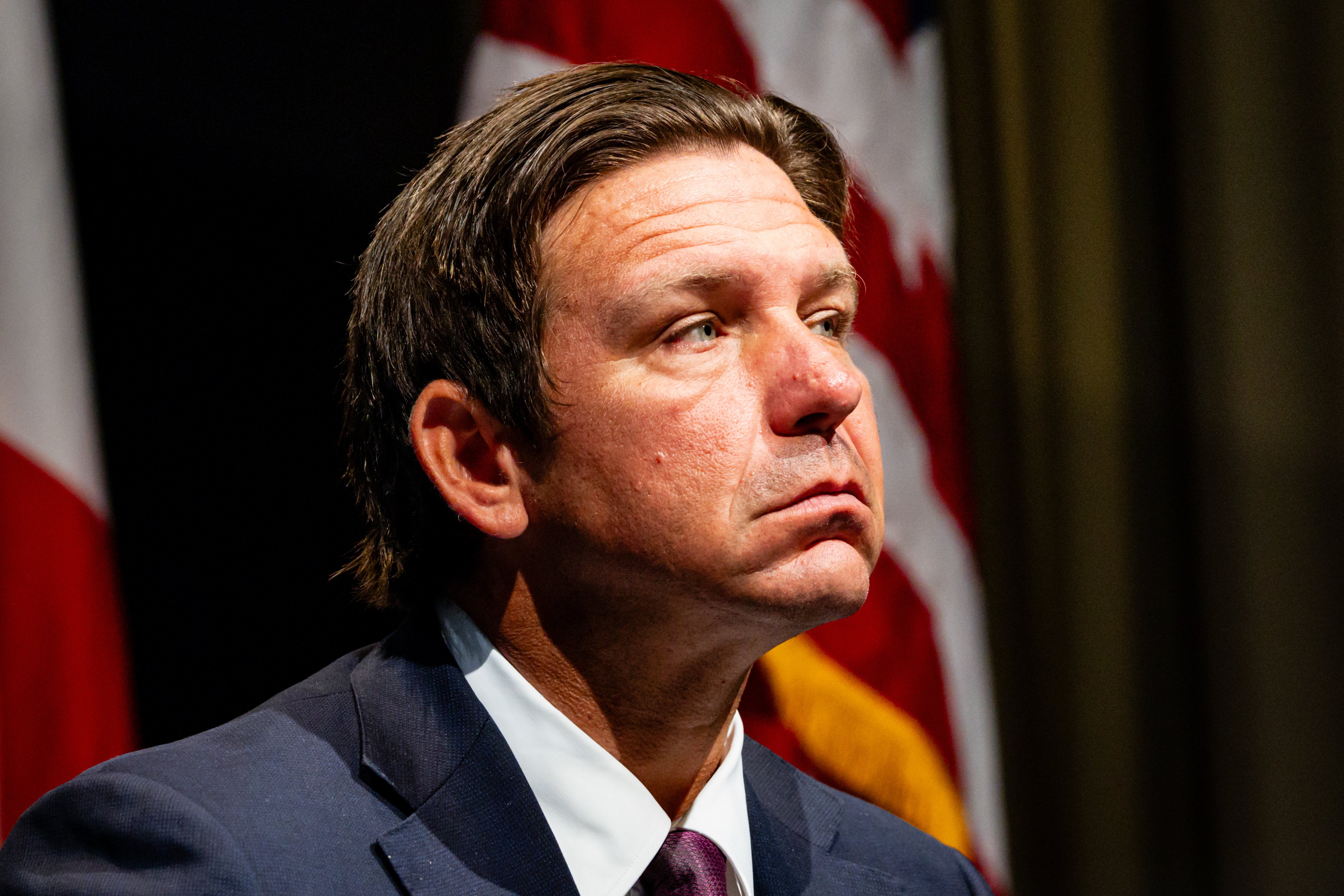
Ron DeSantis knows firsthand how decisive Trump’s backing can be. In 2018, the then-congressman squeaked past Democrat Andrew Gillum by just one percentage point after a machine recount—a victory he owed almost entirely to Trump’s endorsement. That razor-thin win, in a year when Democrats swept many races, underscored Trump’s power to tip the scales. Yet it also set the stage for a bitter rupture: Trump was shocked and angered when DeSantis challenged him for the 2024 Republican nomination.
Fast forward to 2026, and Trump’s grudge is reshaping Florida politics. Many expected Casey DeSantis, the governor’s wife, to be the natural successor—a candidate who could build on Ron DeSantis’s popular policies. A June 2024 Florida Atlantic University poll showed Casey crushing Donalds by 24 points in a hypothetical primary matchup. But after Trump endorsed Donalds, a May 2025 James Madison Institute poll flipped the numbers: Donalds led Casey 44 percent to 25 percent. Game over.
“An endorsement from Trump can be everything,” DeSantis has acknowledged. That power is now on full display. Donalds is the odds-on favorite to win the primary and the general election. But political analysts warn that a potential “blue wave” in November—fueled by voter backlash against Trump’s policies—could upend those expectations. As recent court rulings blocking Trump’s trade agenda show, the political landscape is volatile.
The parallels to 2022 are uncomfortable for Republicans. That year, a predicted red tsunami fizzled, yielding only a narrow House majority. Yet DeSantis defied the national trend, winning a 20-point landslide reelection—driven largely by his fight against COVID-19 restrictions. That victory cemented his brand in Florida, but it also created a dilemma: without DeSantis on the ballot, can Donalds replicate that success?
Polling suggests the race is tighter than many assume. An April Stetson University survey shows Donalds leading former Republican-turned-Democrat David Jolly, 47 percent to 40 percent. Against Orange County Mayor Jerry Demings, the lead shrinks to 46 percent to 42 percent. Crucially, about 7 percent of voters remain undecided—a number that could grow as the campaign heats up.
“Run like you are 10 points behind,” the late GOP strategist Lee Atwater once advised. Donalds would be wise to heed that warning. The stakes are enormous: Florida is the nation’s third-largest state and a critical bellwether. If Republicans lose the governor’s mansion, it could signal deeper trouble for the party ahead of the 2028 presidential race.
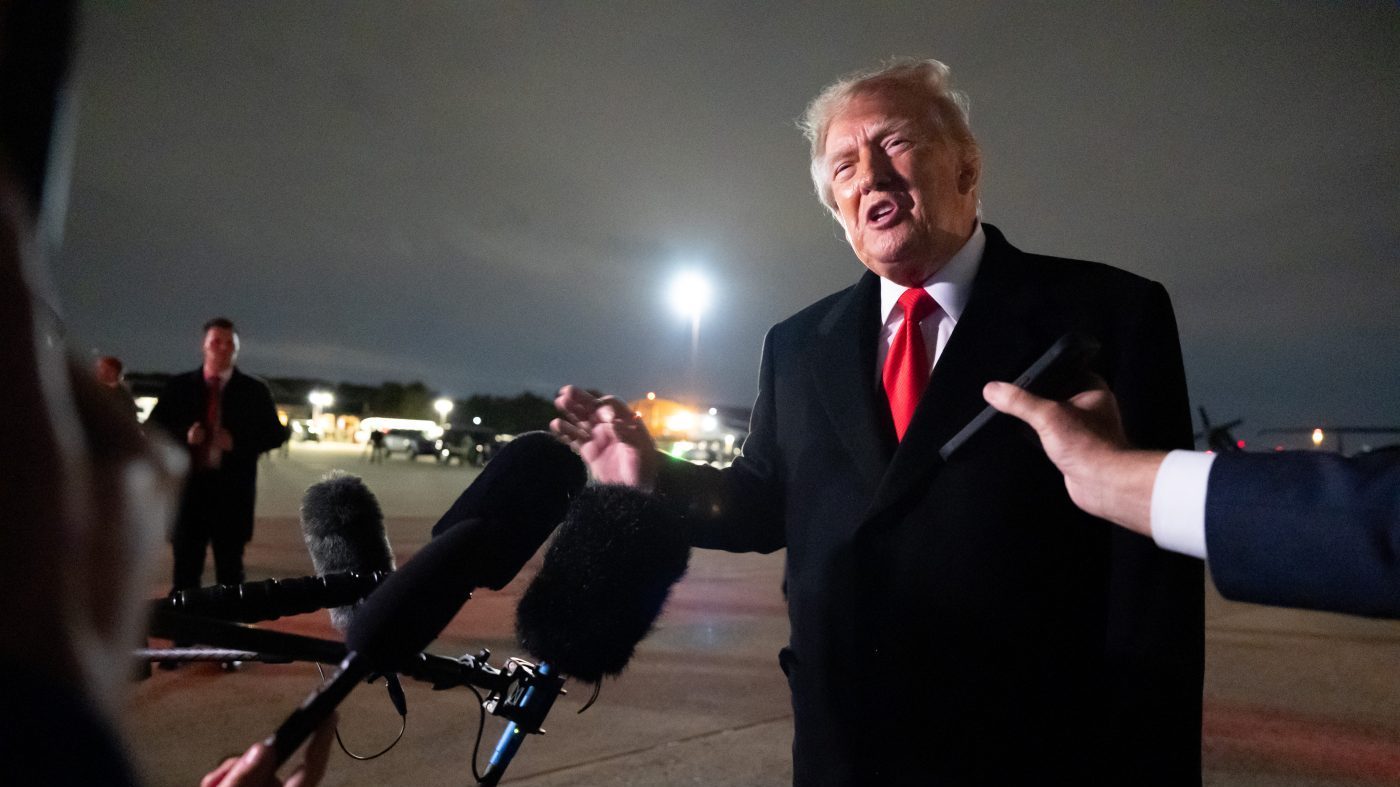
Meanwhile, national dynamics are shifting. Trump’s recent celebration of a strong April jobs report highlights the administration’s focus on economic messaging. But the ongoing Iran crisis and domestic pressures could distract from state-level races. For Florida Republicans, the lesson is clear: no lead is safe, and Trump’s endorsement is a powerful tool—but not a guarantee.