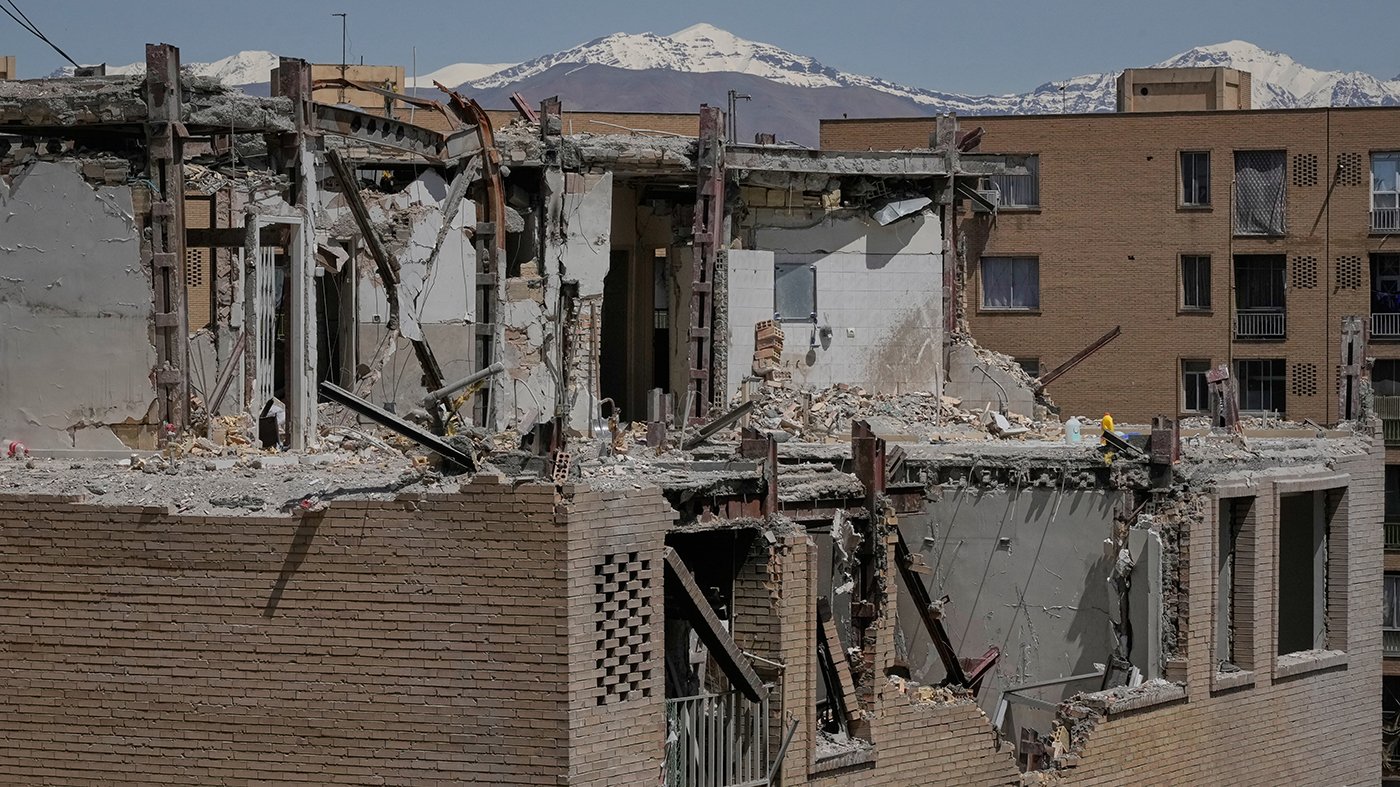
President Trump finds himself in a precarious balancing act this week, trying to preserve a shaky ceasefire with Iran while pursuing a lasting agreement to end the conflict he initiated ten weeks ago. The administration has been careful not to declare the monthlong truce over, yet it continues to accuse Tehran of attacks on U.S. interests and warns of severe consequences if demands are not met.
Iranian leaders, however, show little sign of backing down. Despite war damage, they appear confident that time favors them, maintaining internal control, the ability to strike neighboring Gulf states, and a grip on the Strait of Hormuz—keeping global energy markets volatile. The White House cannot ignore the war's unpopularity at home, especially as gas prices have surged to an average of $4.55 per gallon, up from under $3 before hostilities began.
Trump's motivation for a diplomatic off-ramp is strong, but the path is complicated by his insistence on claiming a decisive victory. This tension has created apparent contradictions in administration messaging. Joint Chiefs Chairman Gen. Dan Caine downplayed recent Iranian attacks, saying they did not breach the ceasefire threshold, while Trump dismissed them as Tehran having “trifled with us” and boasted, “We blew them away.” Secretary of State Marco Rubio expressed hope for a serious negotiation process, contrasting with Trump’s more bellicose rhetoric, including a threat that if the pause ends, “you’re just going to have to look at one big glow coming out of Iran.”
Allison McManus, a national security expert at the Center for American Progress, noted that both sides have incentives to end the war, but the key question is who will blink first. The substance of a potential deal remains fraught, with disagreements over a nuclear enrichment moratorium—Iran seeks a five-year window, while the U.S. demands 20 years—and the fate of Iran’s enriched uranium stockpiles. Trump has demanded Tehran “hand us the nuclear dust,” but later expressed skepticism about their reliability.
The Strait of Hormuz remains a flashpoint, with competing blockades that complicate any resolution. Iranian officials have publicly ridiculed U.S. threats. Foreign Ministry spokesperson Esmail Baghaei called Trump’s “one big glow” comment “a grotesque absurdity,” while President Masoud Pezeshkian condemned “colonialism and exploitation.” Foreign Minister Abbas Araghchi accused the U.S. of choosing military adventures over diplomacy, adding that “Iranians never bow to pressure.”
As the administration weighs its next moves, the war's unpopularity and economic fallout are pressing concerns. The White House is reportedly working on a memorandum of understanding to lay groundwork for broader talks, but significant hurdles remain. For now, Trump’s dual strategy of threats and negotiation reflects the difficult reality of ending a conflict he started, with no clear exit in sight.
Related coverage: Six Americans languish in Iran as Trump weighs deal—families demand action and Trump eyes longer ceasefire as Russia, Ukraine halt fighting for Victory Day.