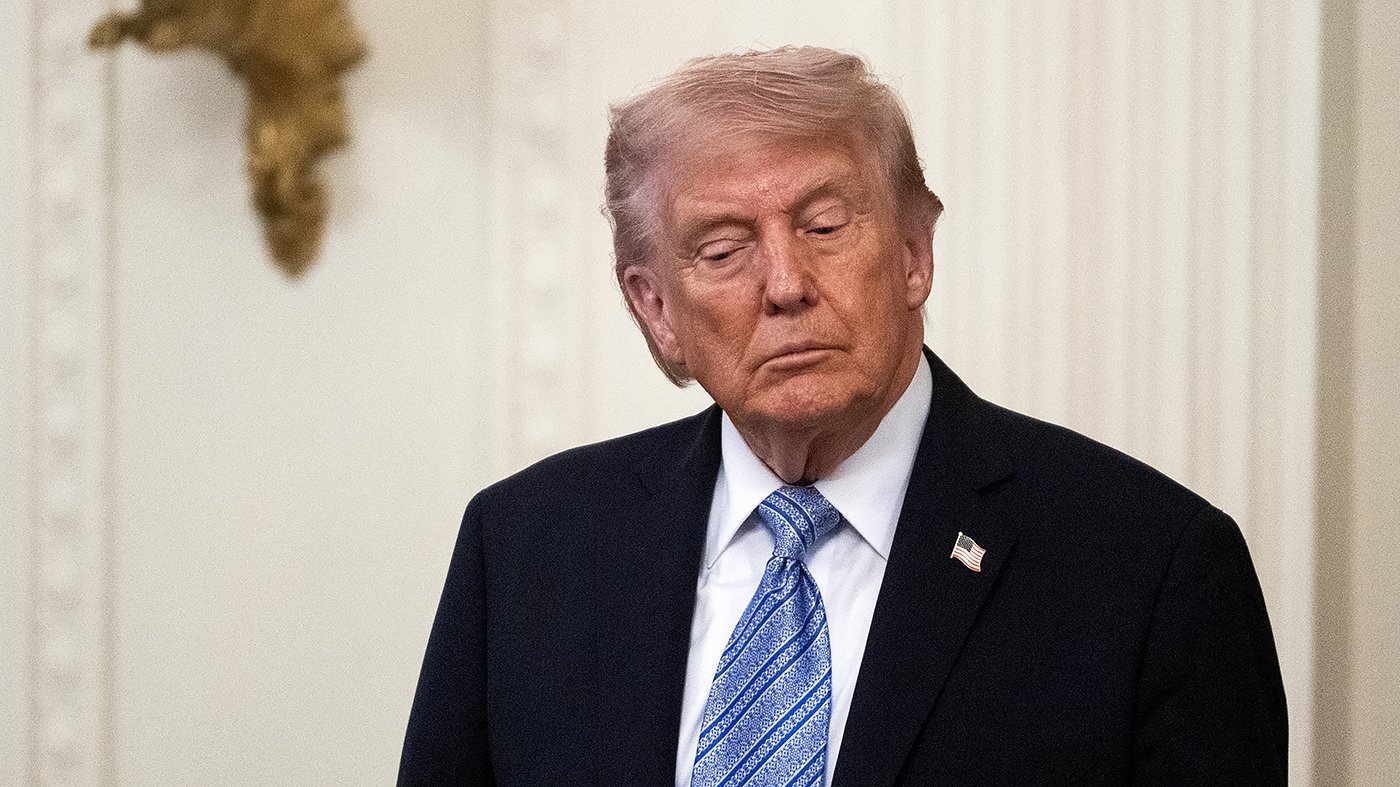
A federal appeals court has permanently blocked President Trump's 10 percent tariff on nearly all imports, marking the second time the judiciary has dismantled a cornerstone of his trade agenda and forcing the White House to reconsider its legal strategy.
The U.S. Court of International Trade, in a unanimous three-judge decision, ruled that the tariff was “unauthorized by law.” The ruling strikes down the levy Trump imposed last year as a replacement for broader global tariffs that the Supreme Court had already invalidated in February. The decision injects fresh uncertainty into the administration's trade policy, which has grown increasingly aggressive in Trump's second term.
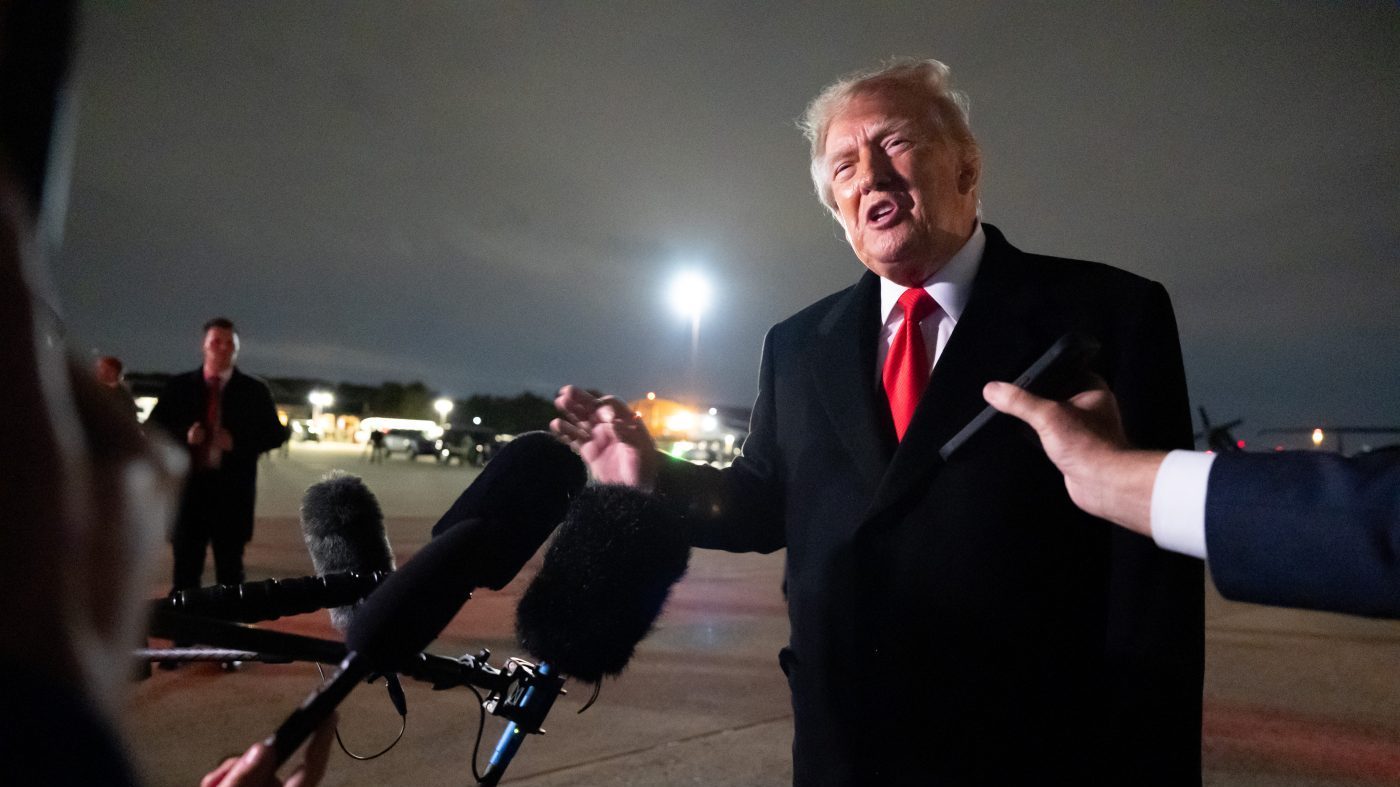
Trump, visibly frustrated by the legal setbacks, has shown no willingness to retreat. On Thursday, he threatened to raise tariffs on the European Union unless they comply with a U.S.-EU trade deal by July 4th. Just last week, he boosted tariffs on EU cars and trucks by 25 percent. These moves come against the backdrop of the Iran conflict and Trump's frustrations with European allies who have been reluctant to back his stance.
Experts say the ruling could shift the balance in trade negotiations. Scott Lincicome, vice president of economics and trade at the Cato Institute, argued that the decision gives other nations leverage. “You'd have to be pretty crazy to think that this isn't just yet another bit of leverage for all of the countries that felt over the barrel over the last year by the Trump administration,” he said. Lincicome noted that while countries may not scrap existing deals, they can now press for tougher terms.
Wayne Winegarden, a senior fellow at the Pacific Research Institute, compared Trump's tariff threats to the classic Lucy and Charlie Brown dynamic. “Unless you're Charlie Brown, eventually you stop trying to kick the ball, because you know Lucy's going to pull it away,” he said. “The EU and some Asian partners are beginning to feel like Charlie Brown, so he has less leverage because why make concessions when the tariffs may not stand—or even if they do, will Trump stick with them?”
The White House is pushing back. Spokesman Kush Desai said in a statement that “President Trump has lawfully used the tariff authorities granted to him by Congress to address our balance of payments crisis. The Trump administration is reviewing legal options and maintains confidence in ultimately prevailing.” Trump himself was defiant, telling reporters, “Nothing surprises me with the courts. Nothing surprises me. So we always do it a different way. We get one ruling and we do it a different way.” He reiterated that the U.S. is “taking in hundreds of billions of dollars” from tariffs.
Trade Representative Jamieson Greer expressed confidence in an appeal, telling Fox Business that the administration used Section 122 of the 1974 Trade Act after the same court had previously suggested it could be a viable vehicle. “They essentially said that Congress passed a law that can't be used, which we all know in the legal community, that's not how law should be interpreted,” Greer argued. He claimed the two judges were “hellbent on importing more from China.”
The ruling adds time pressure: the 10 percent tariff under Section 122 expires on July 24. Ryan Young, senior economist at the Competitive Enterprise Institute, predicted the administration will pivot to other statutes. “If anything, it just pushes forward the administration's timetable to turn to still other statutes,” he said. “My guess is that this game of legal whackamole is going to continue through the end of his term.”
The administration still has options, including Section 232 of the Trade Expansion Act of 1962 for national security grounds, and Sections 201 and 301 of the 1974 Trade Act. Kari Heerman, a senior fellow at the Brookings Institution, noted that Section 301 is the most flexible tool, giving the U.S. Trade Representative broad authority to enforce trade agreements. “This is just kind of a procedural issue that the administration is fully prepared for because there are other tariff tools that are already in motion,” she said.
As the legal battles continue, the political stakes are high. The ruling could embolden trading partners and complicate Trump's efforts to reshape global commerce—a central promise of his presidency.