Funding Agreement Loses Momentum Amid Bipartisan Criticism
A White House-endorsed proposal to end the 40-day shutdown of the Department of Homeland Security stalled on Tuesday as it drew criticism from both sides of the aisle. The deal, which would fund most DHS agencies while postponing appropriations for Immigration and Customs Enforcement's removal operations, initially appeared to have momentum after being presented to former President Donald Trump on Monday. However, opposition from conservative Republicans and Senate Democrats has delayed a potential vote to reopen critical agencies like the Transportation Security Administration.
Conservative Republicans Reject ICE Funding Split
During a Senate Republican lunch on Tuesday, Senator Josh Hawley of Missouri emerged as a vocal critic, stating he would not support any measure that cuts funding for ICE. "I'm skeptical about voting to defund or to cut ICE funding," Hawley said, emphasizing his desire for the agency to be fully funded. His opposition reflects broader conservative concerns about the proposal's mechanism, which would separate the $5.4 billion Enforcement and Removal Operations budget from ICE's overall $10 billion funding. Republicans supporting the plan argued the ERO funds could be restored later through a budget reconciliation package, but skeptics like Hawley doubt such a measure could pass with only GOP votes.
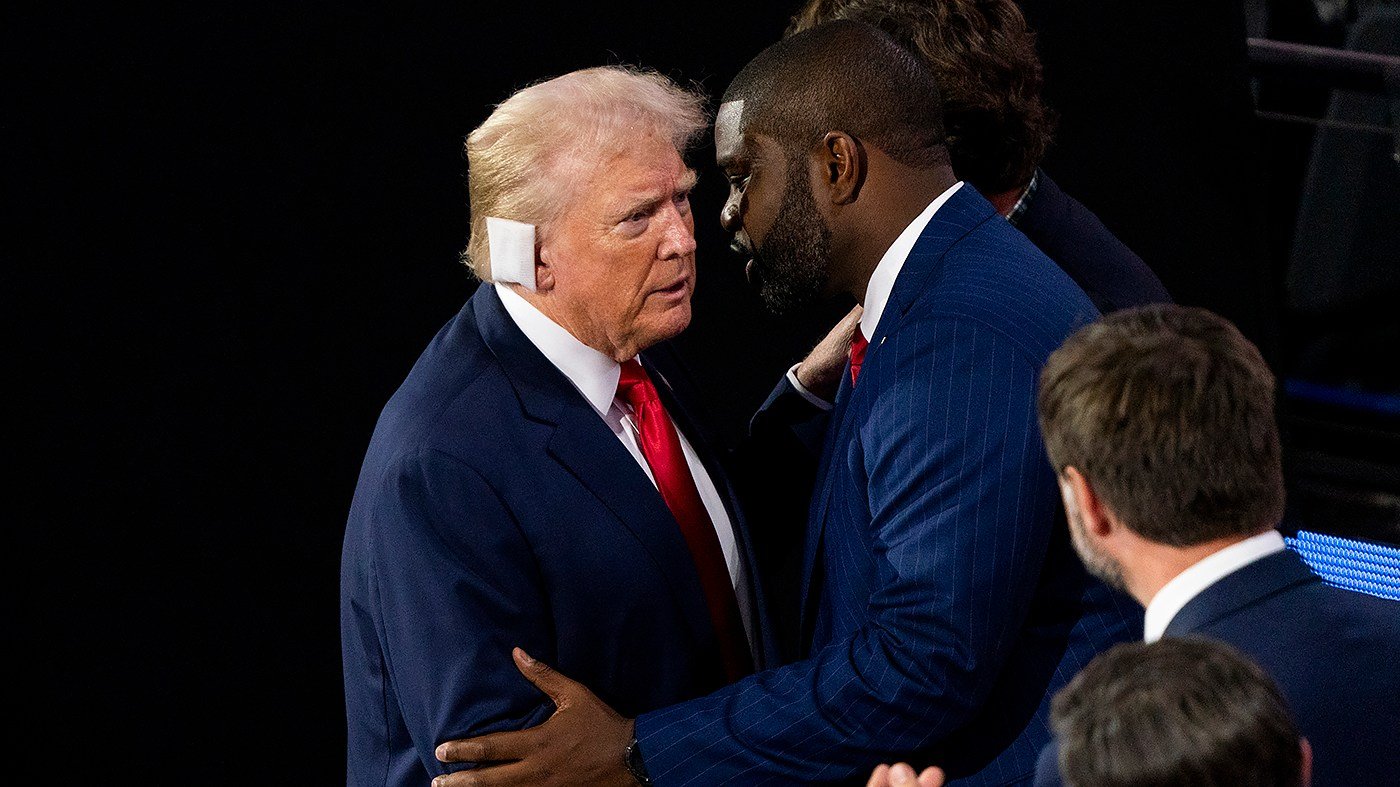
Other Republican senators, including Eric Schmitt of Missouri and Rick Scott of Florida, also raised objections. Senator Thom Tillis of North Carolina noted the proposal's momentum had evaporated overnight. "If you asked me last night, I thought we were pretty close. That's one of the dangers here, you never let people sleep on stuff," Tillis remarked. He suggested that while some centrist Democrats might break with their leadership, there likely aren't enough to overcome unified Democratic opposition without significant Republican defections.
Demands for ICE Reforms Block Democratic Support
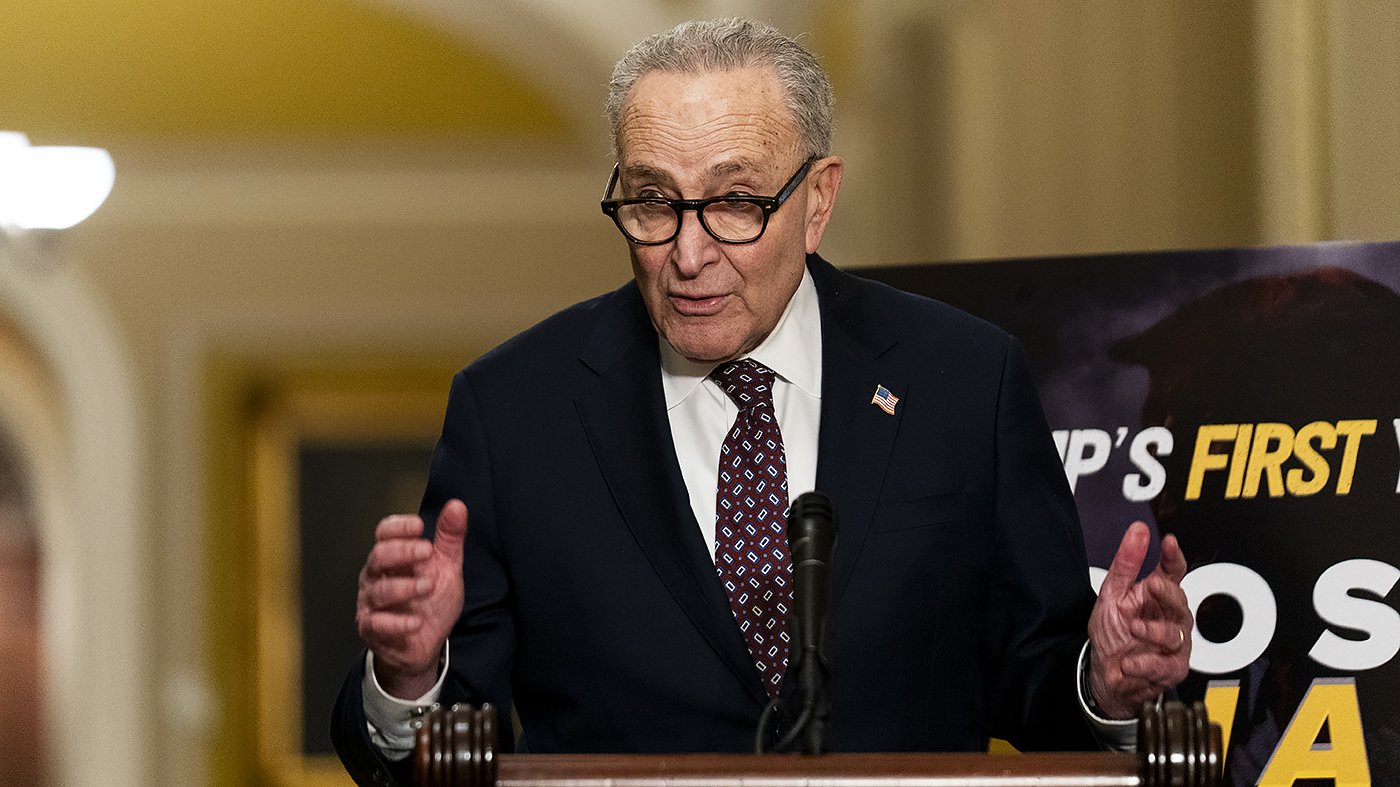
Senate Democratic Leader Chuck Schumer formally rejected the Republican offer on Tuesday, calling for substantial policy changes to immigration enforcement agencies. Schumer and his colleagues insist any funding bill must include reforms such as requiring judicial warrants for immigration arrests and prohibiting federal agents from wearing masks during operations. "We have to rein in ICE and stop the violence. We need reform," Schumer stated at a press conference, asserting unanimous Democratic support for this position. He confirmed Democrats would prepare a counteroffer containing "significant reform."
Key Democratic negotiators echoed this stance. Senator Patty Murray of Washington, vice chair of the Appropriations Committee, stated, "We've been very clear that if we're talking about funding any part of ICE and CBP, we absolutely must take some key steps to rein them in." She insisted that reforms "must make it into law." Meanwhile, centrist Democrats like Senators Catherine Cortez Masto and Maggie Hassan are awaiting further Republican concessions before committing their support.
Negotiations Continue Amid Political Stalemate
Republican leaders countered that the proposed reforms were contingent on full ICE funding, which the current deal postpones. Senator John Thune suggested Democrats had effectively abandoned their reform demands by agreeing to split the funding. The impasse leaves the Senate without a clear path forward as the shutdown, now stretching past 40 days, continues to disrupt operations. The standoff is part of a broader pattern of abrupt policy reversals from the Trump administration that have complicated legislative negotiations.
The internal GOP dissent also highlights ongoing divisions within the Republican Party over immigration and spending priorities. With a growing number of conservative senators opposing any reduction in ICE funding, Republican leaders may need to secure support from as many as ten Democrats to pass a deal—a tall order given Schumer's current opposition. The prolonged shutdown has already prompted actions like Senator Ted Cruz's request to withhold his own salary, echoing tactics from past budget battles.
As negotiations continue, the fate of hundreds of thousands of federal employees and critical homeland security functions hangs in the balance. The White House and Senate leaders face mounting pressure to resolve a shutdown that has become one of the longest in U.S. history, with no immediate breakthrough in sight.