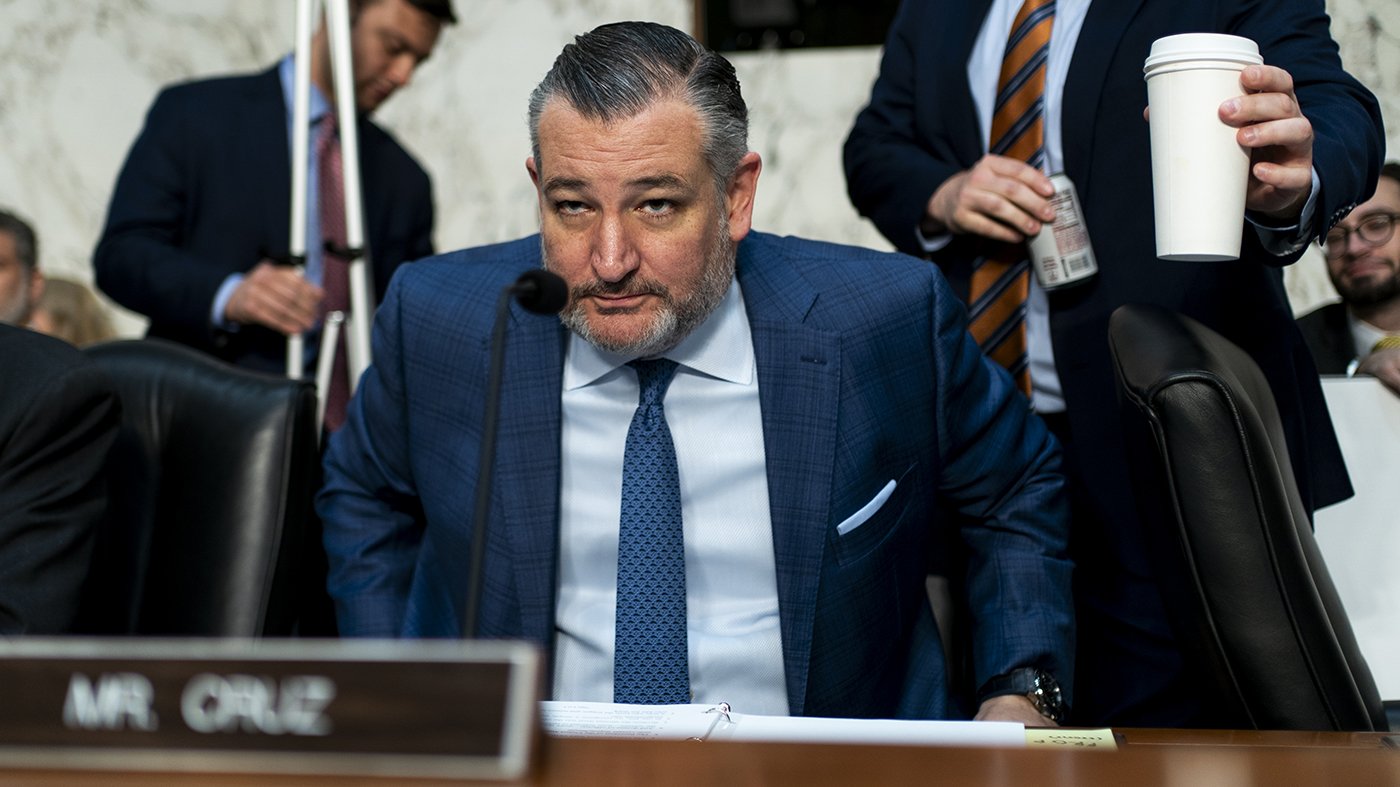
Senator Ted Cruz (R-Texas) has formally requested that his congressional salary be withheld until the ongoing partial shutdown of the Department of Homeland Security is resolved. In a social media post on Tuesday, Cruz stated he asked the Senate Financial Clerk to hold his pay, arguing it is unjust for lawmakers to be compensated while DHS personnel work without wages.
"Due to the Democrat's Shutdown, I've asked the Financial Clerk of the Senate to hold my salary," Cruz wrote. "It's not right for Members of Congress to be paid if the working men and women of DHS aren't." The senator included a photo of his official letter to Financial Clerk Ted Ruckner, requesting his salary be held "for pickup" after funding is restored.
This move mirrors Cruz's action during last fall's 43-day government shutdown, the longest in U.S. history. Cruz has positioned himself as a key figure in the current negotiations to reopen DHS, which have stalled over Democratic demands for substantial reforms at Immigration and Customs Enforcement (ICE) and Customs and Border Protection (CBP) before approving any funding package.
Negotiation Impasse and Political Strategy
Over the weekend, Cruz proposed a two-part legislative strategy to break the deadlock. His plan involved separating funding for ICE and CBP from the main DHS appropriations bill, then passing funding for these controversial agencies later through the budget reconciliation process, which requires only a simple majority vote.
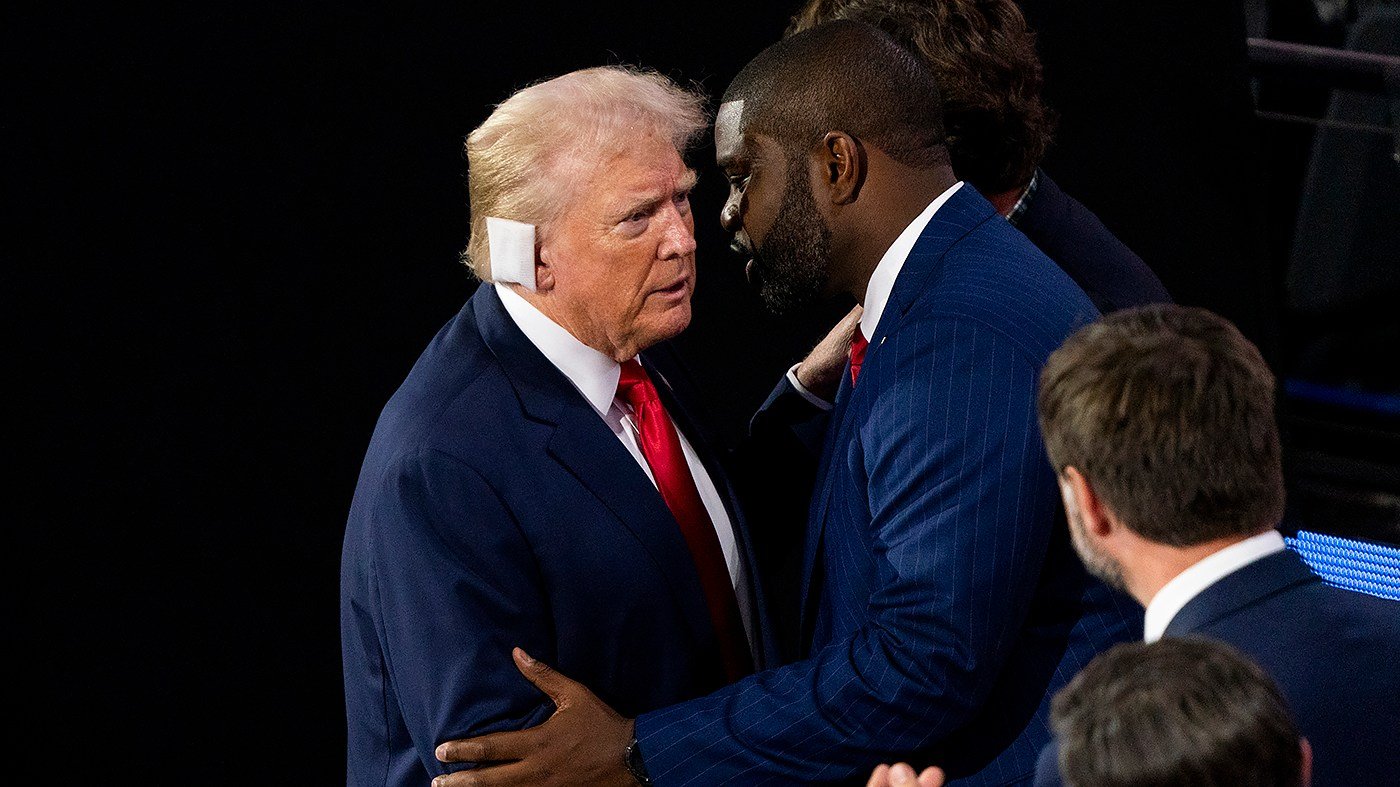
This proposal followed Senate Democrats voting down a Republican-backed bill on Tuesday that would have funded nearly all DHS operations while providing only limited allocations to ICE. The bill had support from former President Donald Trump, who has recently made several strategic political endorsements, including backing the wife of the RNC chair for a Florida congressional seat.
Senate Minority Leader Chuck Schumer (D-N.Y.) reiterated his party's firm stance during a Tuesday press conference. "You know what we've called for all along," Schumer told reporters. "I'm not going to get into specifics, but we need strong, strong reforms and we need to rein in ICE. We've been consistent in what we've been asking for from the get-go." Democratic demands include implementing a mask ban for certain enforcement actions, judicial warrant reform, and establishing a universal code of conduct for immigration officers.
Operational Consequences and Broader Context
The DHS funding lapse affects numerous critical agencies beyond ICE and CBP, including the Transportation Security Administration, Federal Emergency Management Agency, Cybersecurity and Infrastructure Security Agency, and the U.S. Coast Guard. The TSA staffing shortage, resulting from the pay interruption, has created significant travel disruptions nationwide, with some airports advising passengers to arrive more than four hours before their flights.
The administration has responded to the TSA crisis by deploying ICE agents to assist at airports, a move that has drawn criticism from union leaders who call it a "distraction" from the core pay issue for federal workers. This deployment has also sparked incidents like the detention of a distraught mother at San Francisco International Airport, fueling Democratic outrage.
Meanwhile, other legislative efforts continue in Congress, such as Senator Tommy Tuberville's bill to regulate college athlete transfers, demonstrating how the shutdown occupies significant political oxygen while other policy matters advance. The standoff shows no immediate signs of resolution, with both parties entrenched in their positions over immigration enforcement policy and funding mechanisms.