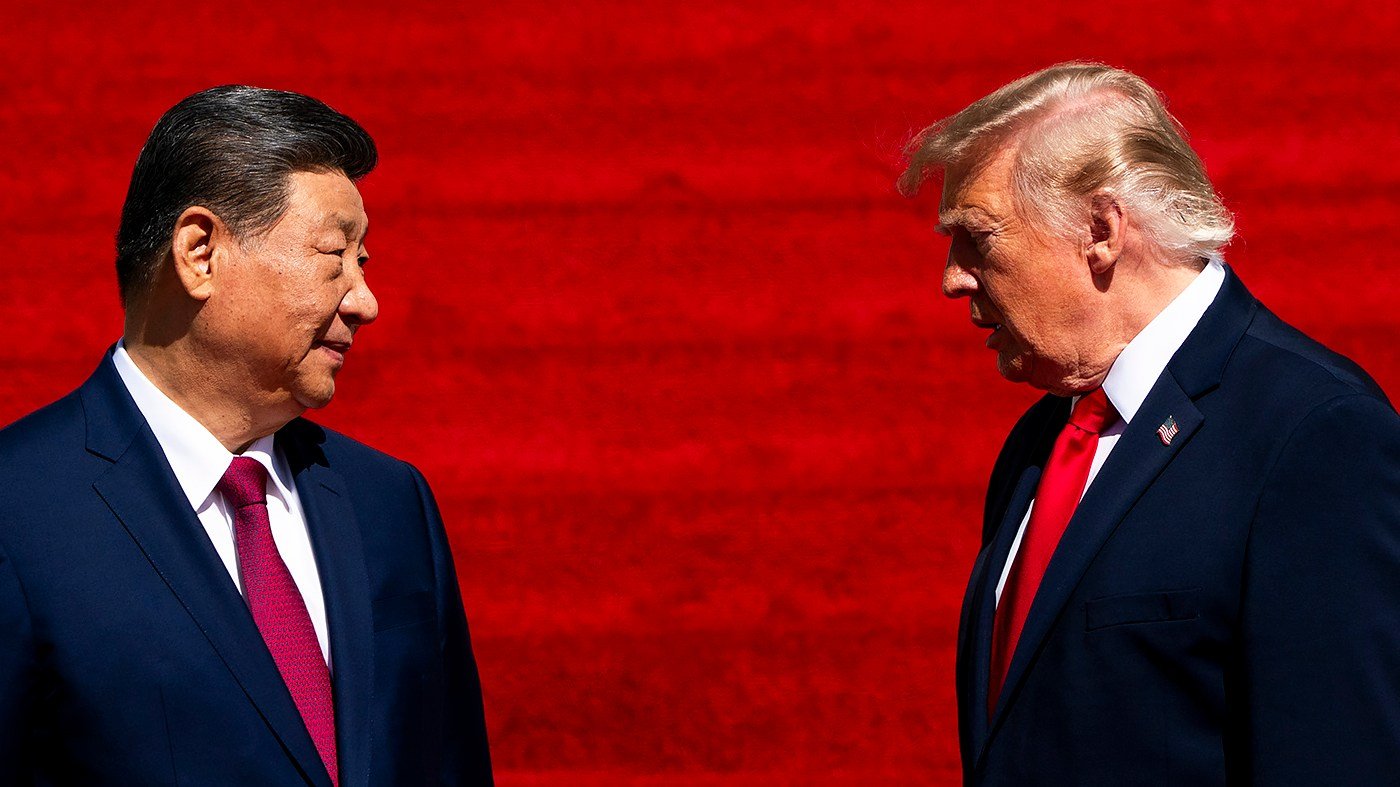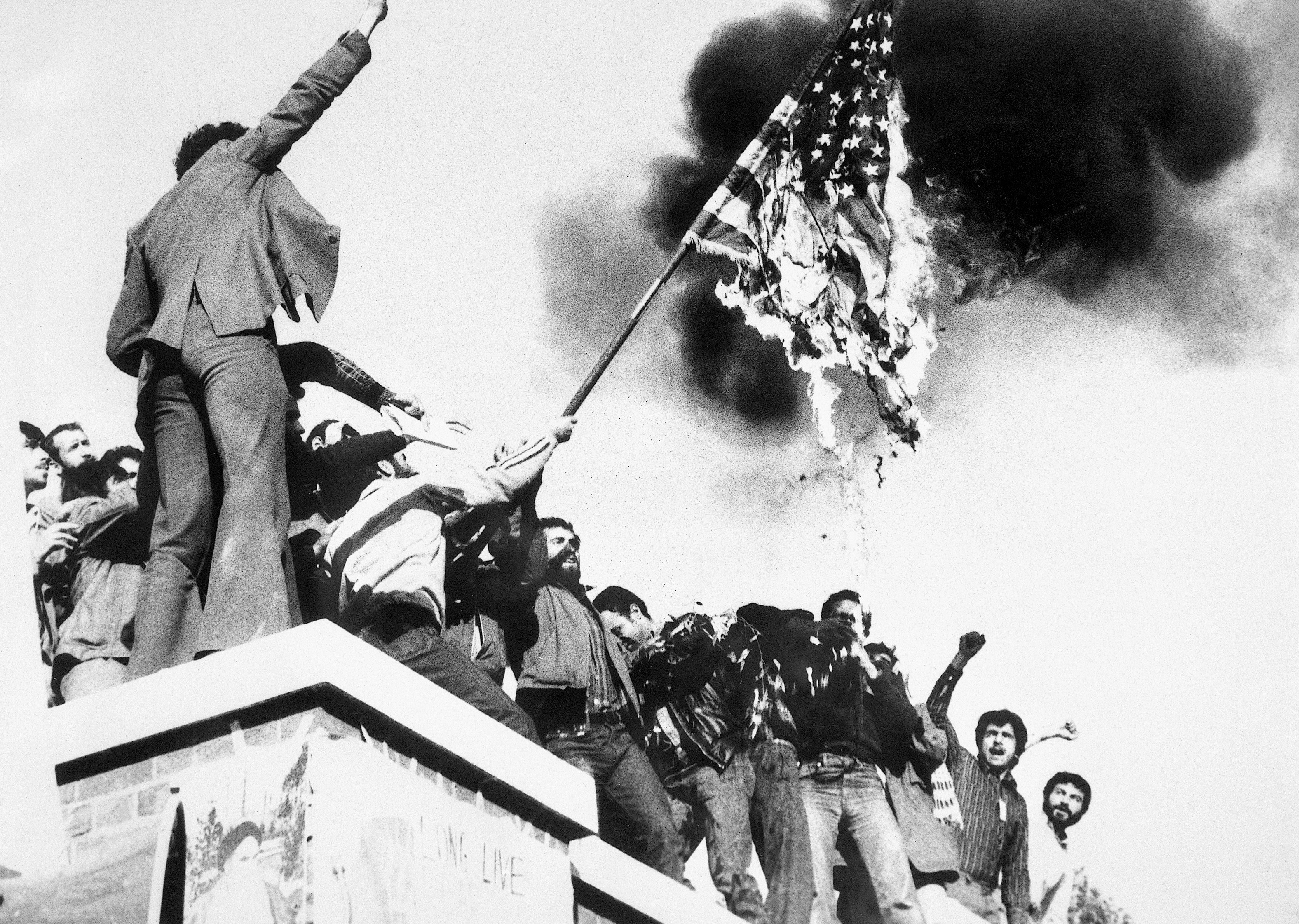
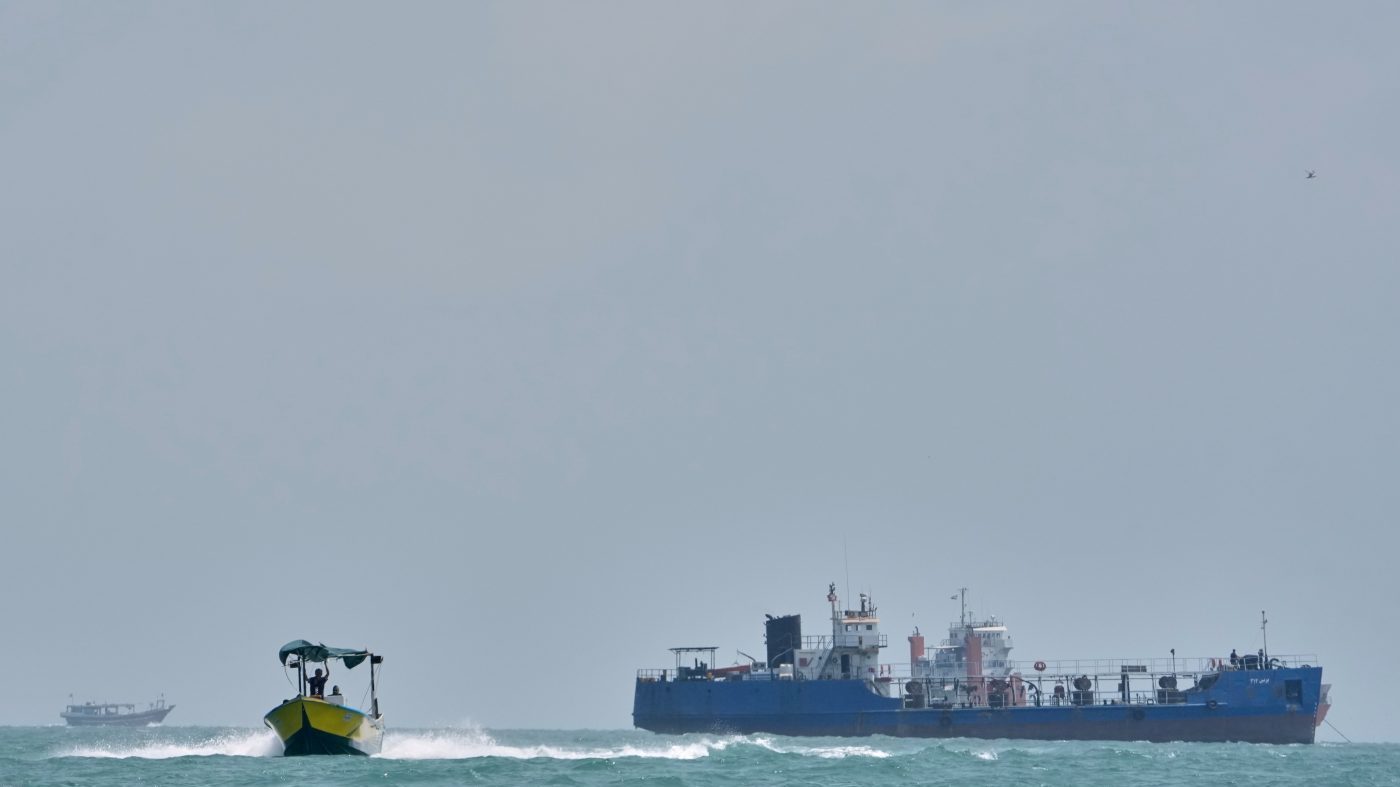
As the Trump administration deliberates potential military action against Iran, a critical strategic question emerges: could American personnel become hostages? This scenario, reminiscent of the 1979-1980 crisis, presents a significant risk if U.S. forces are deployed on the ground. A maritime incident, for instance, where Iranian forces recover American sailors from a damaged vessel, could grant Tehran substantial leverage, echoing the 444-day ordeal that defined the Carter presidency.
Lessons from a Failed Rescue
Harold Brown, who served as Secretary of Defense during that crisis, provided extensive analysis before his death in 2024. He argued that externally imposed regime change in Iran is unfeasible, noting in his book, Star Spangled Security, that "it is easy to overestimate America's military ability to influence events in another country." He warned that a lack of deep political understanding often renders U.S. interventions counterproductive.
Brown's most painful memory was the failed 1980 rescue attempt, Operation Eagle Claw. The mission, involving eight helicopters and 90 personnel, was aborted after multiple mechanical failures and a sandstorm left only five aircraft operational. A subsequent collision during withdrawal killed four servicemen and injured four others. A military review panel attributed the failure partly to immutable geographic constraints—the long flight distance from naval carriers—and unforeseen environmental hazards.
A Modern Crisis in the Making
Today, the risk extends beyond diplomats to military personnel and U.S. civilians remaining in the region. Brown cautioned that a U.S. strike on Iranian nuclear facilities might delay their weapons program by only two years while provoking severe retaliation, such as mining the Strait of Hormuz or attacking shipping lanes. He noted that prior U.S. actions in Afghanistan and Iraq inadvertently strengthened Iran's regional influence by removing its rival regimes.
The current Secretary of Defense, Pete Hegseth, faces this complex legacy. Critics argue he lacks direct experience of the political and human toll of the 1979 crisis, having been an infant during the ordeal. Instead of providing measured counsel, Hegseth has echoed President Trump's confrontational rhetoric, famously stating, "We negotiate with bombs." This approach has drawn concern from veterans of that era who remember the relentless pressure of the hostage situation. This comes as the administration grapples with multiple simultaneous domestic and international pressures.
Compounding the strategic challenge is the reported flow of Russian intelligence to Iran regarding U.S. and Israeli targets, even as the Trump administration has maintained policies facilitating Russian oil exports. Furthermore, the president's unorthodox diplomatic channels have been criticized for undermining coherent military strategy in global hotspots.
The political context is also fraught. The administration's posture has contributed to rising public disapproval as tensions with Iran escalate. Meanwhile, the prolonged Department of Homeland Security shutdown, now in its 41st day, strains federal resources and morale, potentially affecting national security readiness.
In his writings, Brown reflected on the difficulty of influencing revolutionary states, referencing the 1954 U.S.-backed coup in Iran as a historical complicating factor. The current adversarial regime, he concluded, views the U.S. through a lens of deep historical grievance. For observers like Joyce Winslow, Brown's former editor, the lesson is clear: the foresight and wisdom derived from past failures are essential to prevent repeating them. The concern is that without such perspective, the nation risks stumbling into another prolonged hostage crisis with grave human and strategic costs.