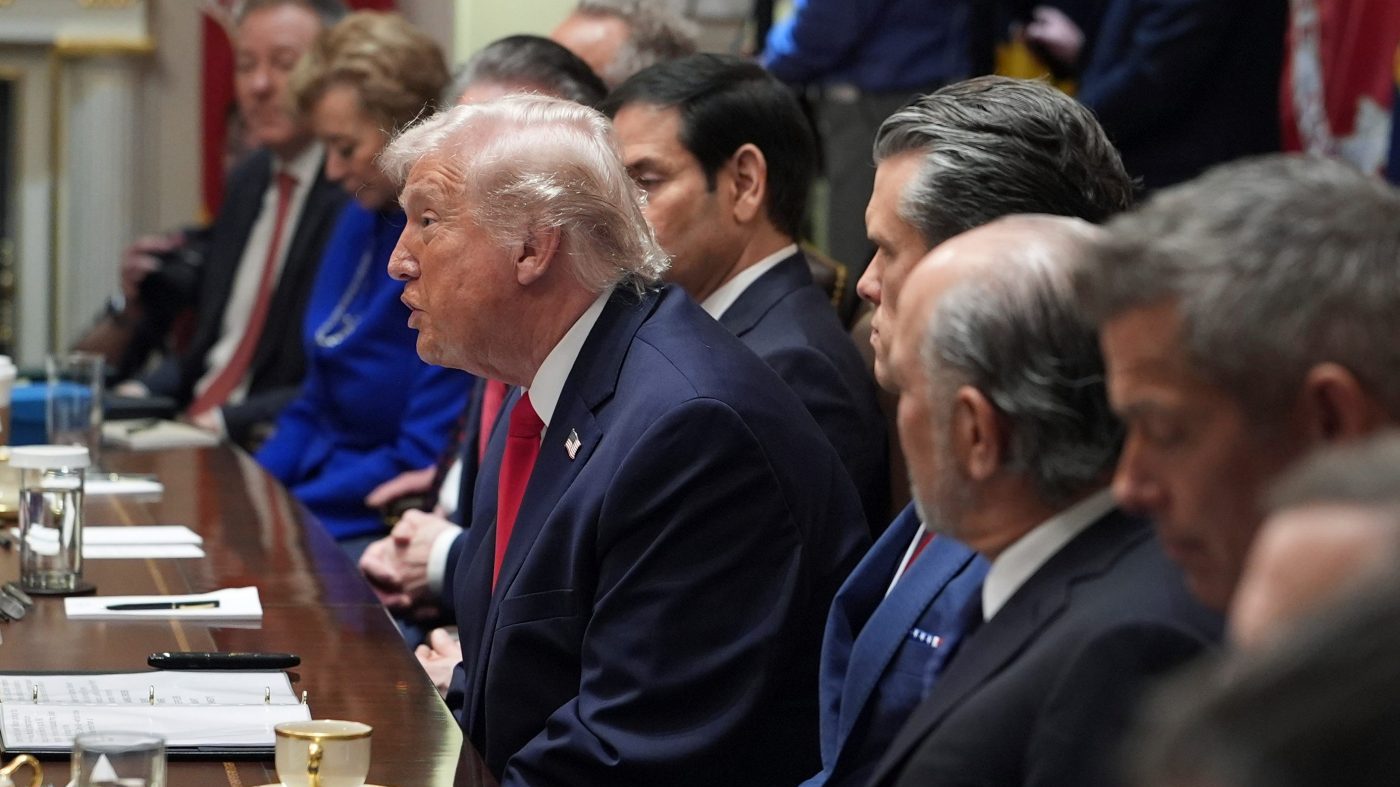
President Donald Trump will convene his Cabinet on Thursday morning, confronting two simultaneous and escalating crises: a 41-day partial shutdown of the Department of Homeland Security and a volatile military standoff with Iran that is nearing its one-month mark. The meeting comes at a moment of significant political pressure on both fronts.
Democratic Unity Faces Test Over DHS Funding
As the shutdown persists, creating a mounting pay crisis for TSA officers and other federal personnel, anxiety is growing that moderate Senate Democrats may break ranks. The party has so far maintained a unified front, with all but one member—Senator John Fetterman of Pennsylvania—voting to block a Republican-backed funding bill on Wednesday. However, the extended impasse is testing that cohesion, with some centrists facing intense pressure from constituents affected by the lapse in DHS operations.
Trump's Social Media Barrage Targets Iran, NATO, and Senate Rules
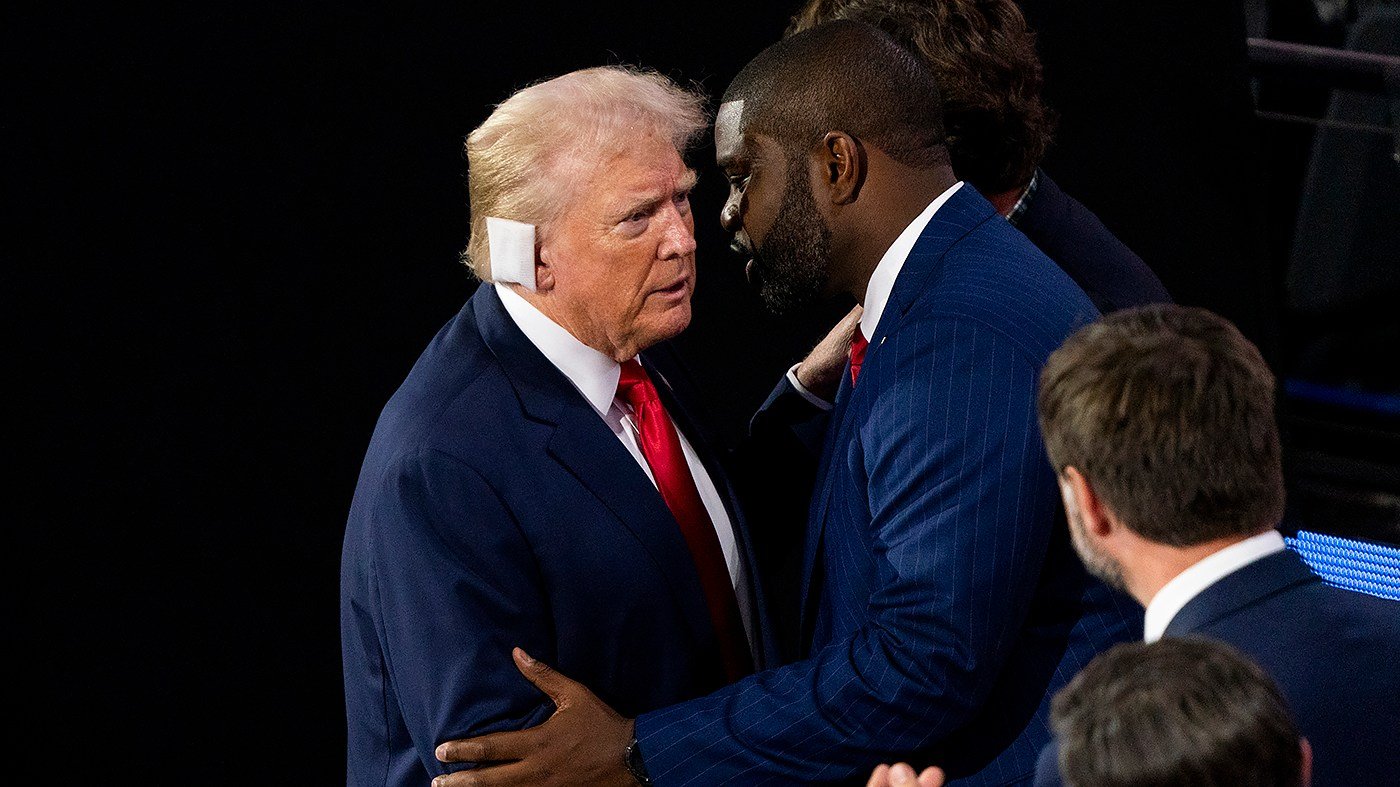
Ahead of the Cabinet session, Trump unleashed a series of posts on his Truth Social platform, articulating a hardline stance on multiple issues. He repeatedly called for the elimination of the Senate filibuster, a move that would dramatically alter legislative dynamics. On foreign policy, he issued a stark warning to Iranian leadership, stating they must “better get serious soon, before it is too late” regarding ongoing negotiations. He also criticized NATO allies, accusing them of failing to provide sufficient support against Iran. Tehran’s officials have responded with defiant messages of their own on social media this week.
The administration's military campaign, dubbed Operation Epic Fury, has drawn bipartisan criticism from lawmakers who complain of being kept in the dark about its objectives and progress. This lack of consultation has fueled concerns about the scope and duration of U.S. involvement.
Shutdown and Security Crises Converge
The convergence of the shutdown and international tensions presents a complex challenge for the White House. The funding lapse has forced thousands of DHS employees, including critical airport security staff, to work without pay, straining the agency's core functions even as global threats demand its full attention. This dual pressure is creating a perfect storm of political and operational risk.
Trump's approach to the Iran conflict has also drawn scrutiny, with reports suggesting his use of unorthodox diplomatic channels may be complicating military strategy. The president's latest warning follows reports that ceasefire talks have stalled despite a continued U.S. military buildup in the region.
The political fallout from the administration's handling of these crises is becoming measurable. A recent survey indicates that public disapproval of the president has reached a record high, with backlash over the Iran conflict cited as a major factor. This erosion of support could influence the ongoing legislative battle over DHS funding, as vulnerable lawmakers assess the public mood.
With the Cabinet meeting underway, the administration's next steps will be closely watched. Will it offer a new proposal to break the shutdown deadlock, or will it double down on its current demands? How will it address the growing congressional frustration over information sharing on Iran? The answers to these questions will define the political landscape in the coming days, as domestic governance and international conflict remain inextricably linked.