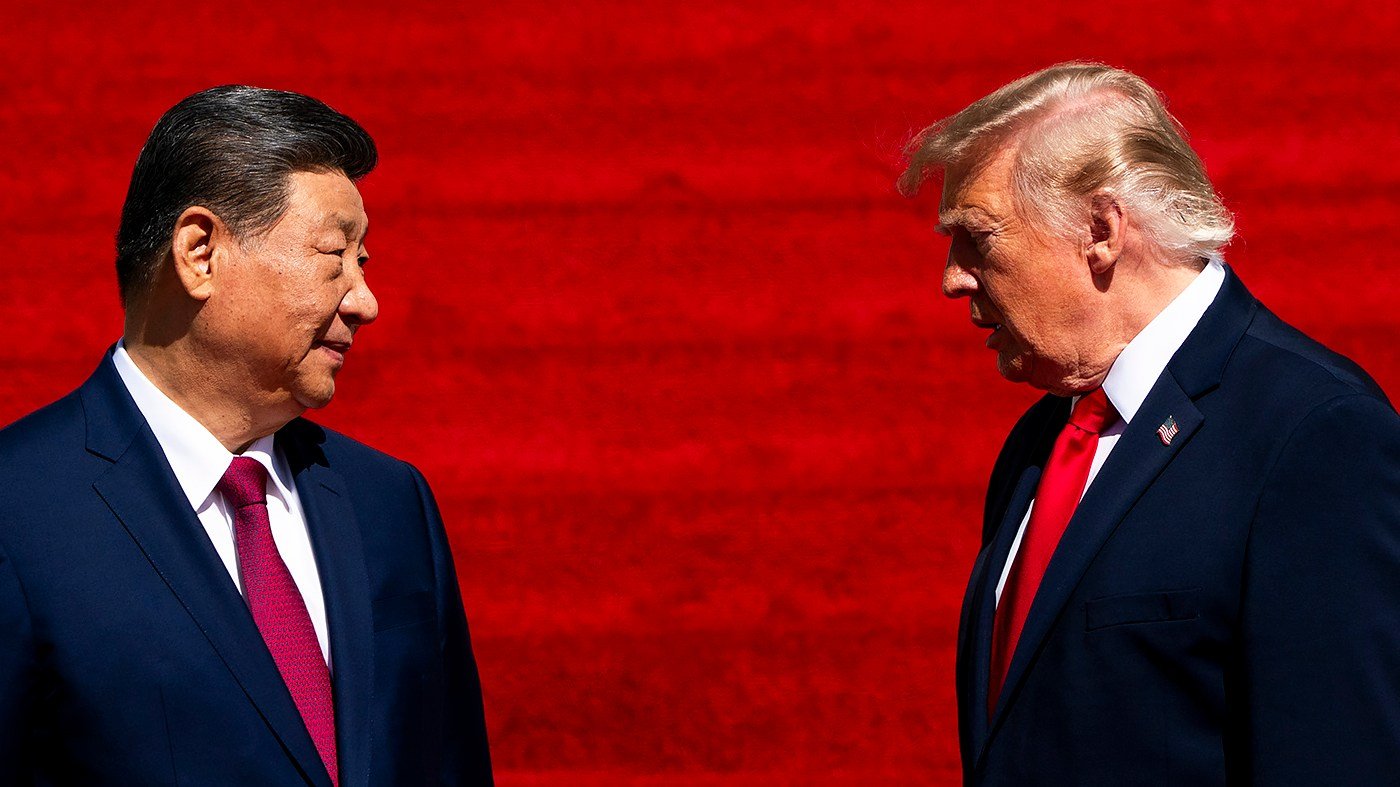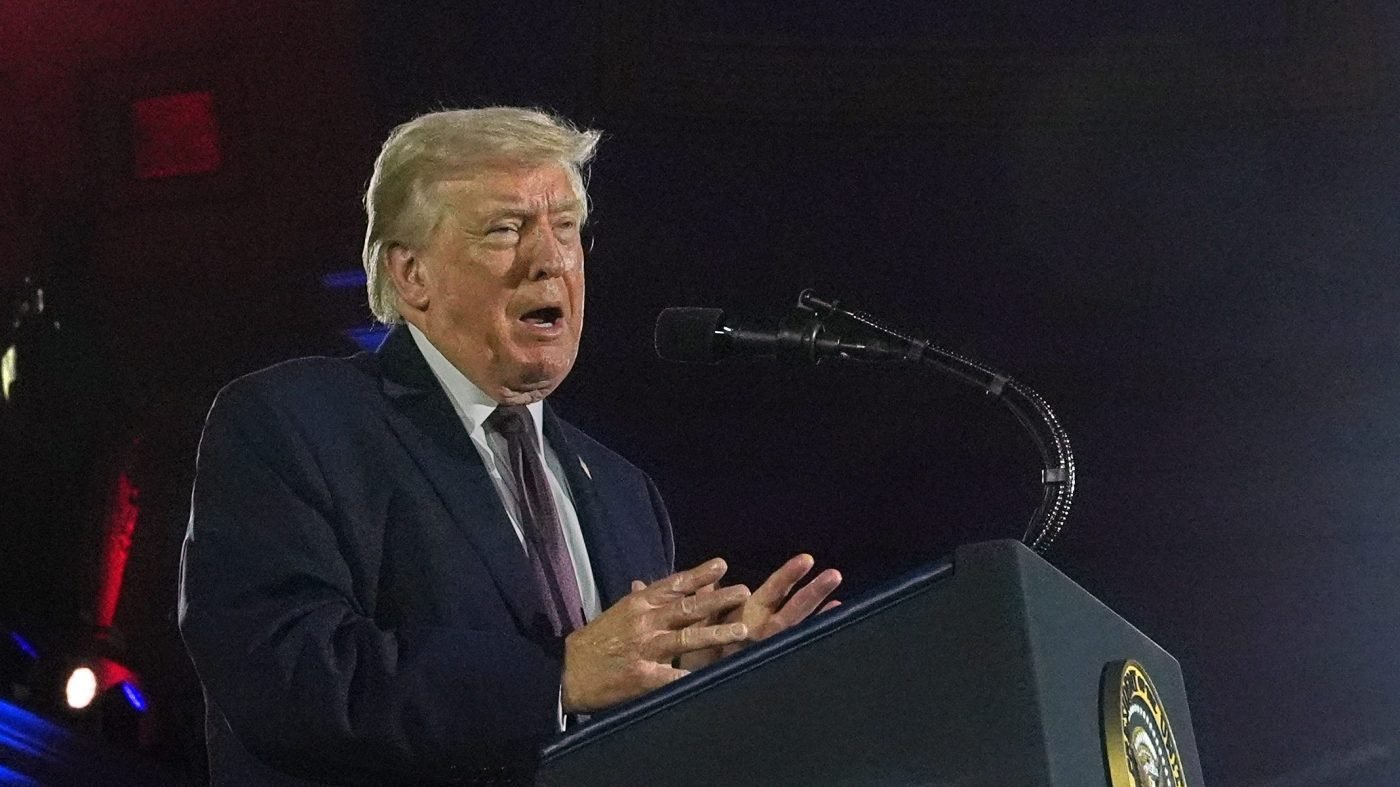
President Donald Trump issued a blunt public warning to Iranian negotiators on Thursday, declaring they must "get serious soon" as diplomatic efforts to secure a ceasefire in the ongoing Middle East conflict show signs of breaking down. The statement, made on his Truth Social platform, came alongside a significant U.S. military buildup in the region that has prompted calls for transparency from lawmakers.
A Public Ultimatum
In his post, Trump claimed Iran was privately "begging" for a deal while publicly downplaying negotiations, a contradiction he labeled "WRONG!!!" He concluded with a stark threat: "They better get serious soon, before it is too late, because once that happens, there is NO TURNING BACK, and it won't be pretty!" This rhetoric marks a sharp escalation in public messaging from the White House, which had previously suggested talks were progressing.
The president's social media outburst followed remarks at a Republican fundraiser where he notably avoided labeling the conflict a "war," stating such terminology "maybe not a good thing to do" because it could trigger requirements for congressional approval. Instead, he referred to U.S. actions as a "military decimation." This careful semantic distinction highlights the administration's sensitivity to legal and political constraints on unilateral military action.
Divergent Proposals and Defiant Rhetoric
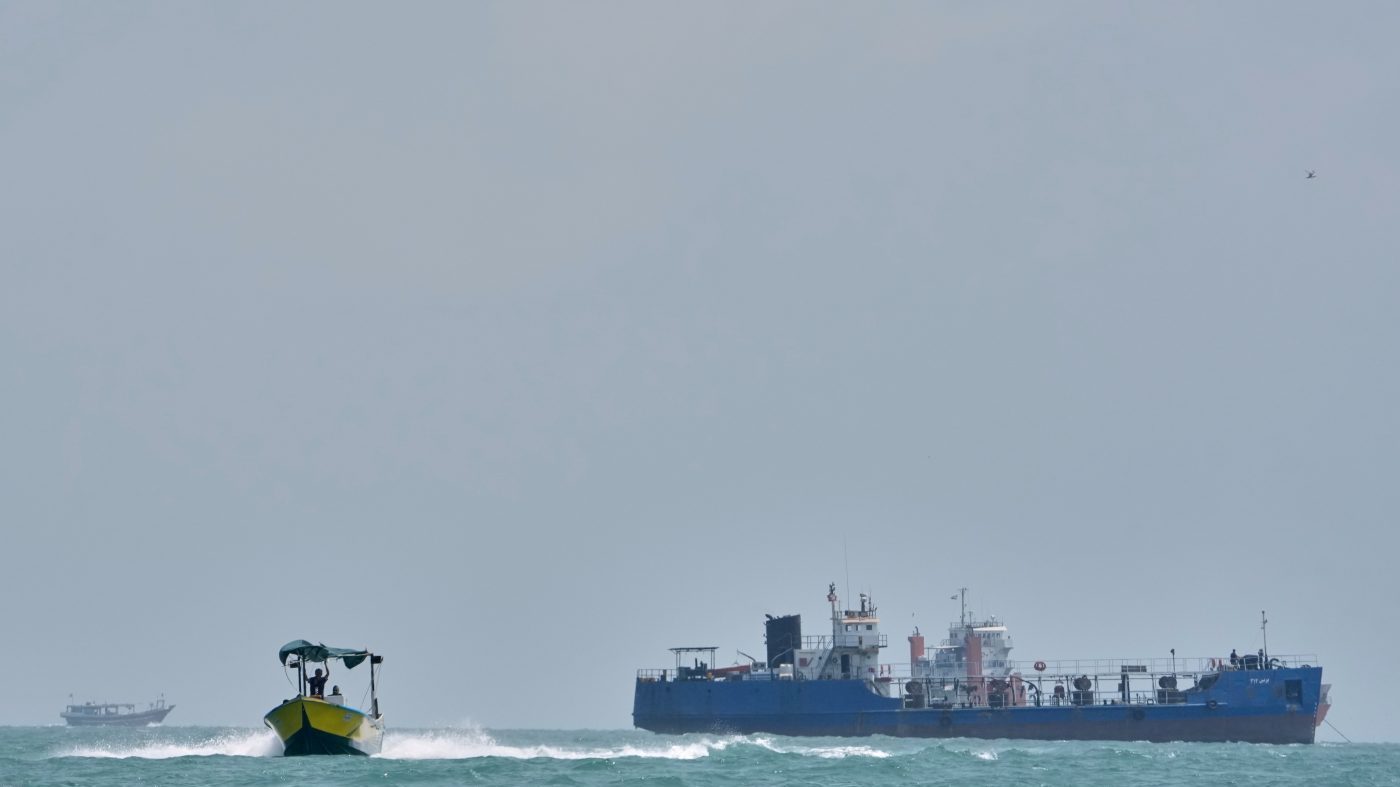
The diplomatic impasse stems from fundamentally incompatible positions. The United States presented a 15-point peace plan that included sanctions relief in exchange for Iran reopening the strategic Strait of Hormuz and accepting limits on its missile program. Tehran rejected that framework, countering with demands for reparations, full sovereignty over the Strait, and a complete cessation of what it calls U.S. and Israeli "aggression."
Iranian officials have publicly dismissed Trump's claims of productive dialogue. Foreign Minister Abbas Araghchi told state media that conveying messages through intermediaries "is not called negotiation or dialogue." He further asserted that Washington had failed to achieve its military objectives, a stance of defiance as Iran formally rejects the proposed ceasefire.
Military Escalation and Congressional Alarm
As talks falter, the Pentagon has accelerated its military posture. The U.S. has dispatched additional naval assets to the region and is transporting approximately 2,500 Marines and 2,000 paratroopers from the 82nd Airborne Division to the Middle East. This substantial deployment has raised alarms on Capitol Hill, where members of both parties fear the operation could spiral into a broader regional war.
These concerns have triggered bipartisan calls for the White House to clearly define its strategic objectives and legal authorities. The buildup coincides with new Iranian strikes on U.S. Gulf partners, illustrating the volatile cycle of action and retaliation that diplomats are struggling to halt.
The situation presents a complex challenge for the Trump administration, which seeks a decisive resolution to the conflict but faces a recalcitrant adversary, legal hurdles, and growing unease within Congress. The president's shift from touting imminent deal-making to issuing ultimatums suggests the window for a negotiated settlement may be closing, potentially setting the stage for a more intense military phase. The coming days will test whether Tehran's defiance holds against increased U.S. pressure, or if a last-minute diplomatic breakthrough can be achieved.