Defiant Tehran Rejects U.S. Overtures
Iranian leadership has delivered a unified message of defiance over the past day, explicitly rejecting American attempts to negotiate an end to the ongoing conflict and complicating President Trump's search for a political exit. Officials in Tehran have dismissed the existence of direct talks and stated they will only end hostilities on their own terms.
An unnamed official told state media that "Iran will end the war when it decides to do so and when its own conditions are met," while another flatly stated "Iran does not accept a ceasefire." The Iranian government responded to a detailed 15-point U.S. peace proposal with a counter-offer containing just five points, including a demand for war reparations that the White House is certain to refuse.
Diplomatic Channels and Public Posturing
Foreign Minister Abbas Aragchi appeared on state television to deny any direct negotiations were occurring, acknowledging only that proposals had been conveyed through third-party nations including Turkey, Egypt, Pakistan, and Saudi Arabia. He insisted Iran has no intention of engaging Washington directly and claimed the U.S. had failed to achieve its military objectives.
The defiant rhetoric extends to Iran's social media presence, where official accounts have amplified messages mocking President Trump and even suggesting "regime change is needed in America, not Iran." This public posture comes despite significant military losses, with White House Press Secretary Karoline Leavitt stating U.S. forces have struck "more than 9,000 enemy targets" since the conflict began on February 28, causing an estimated 1,500 Iranian casualties.
Strategic Leverage and Domestic Pressure
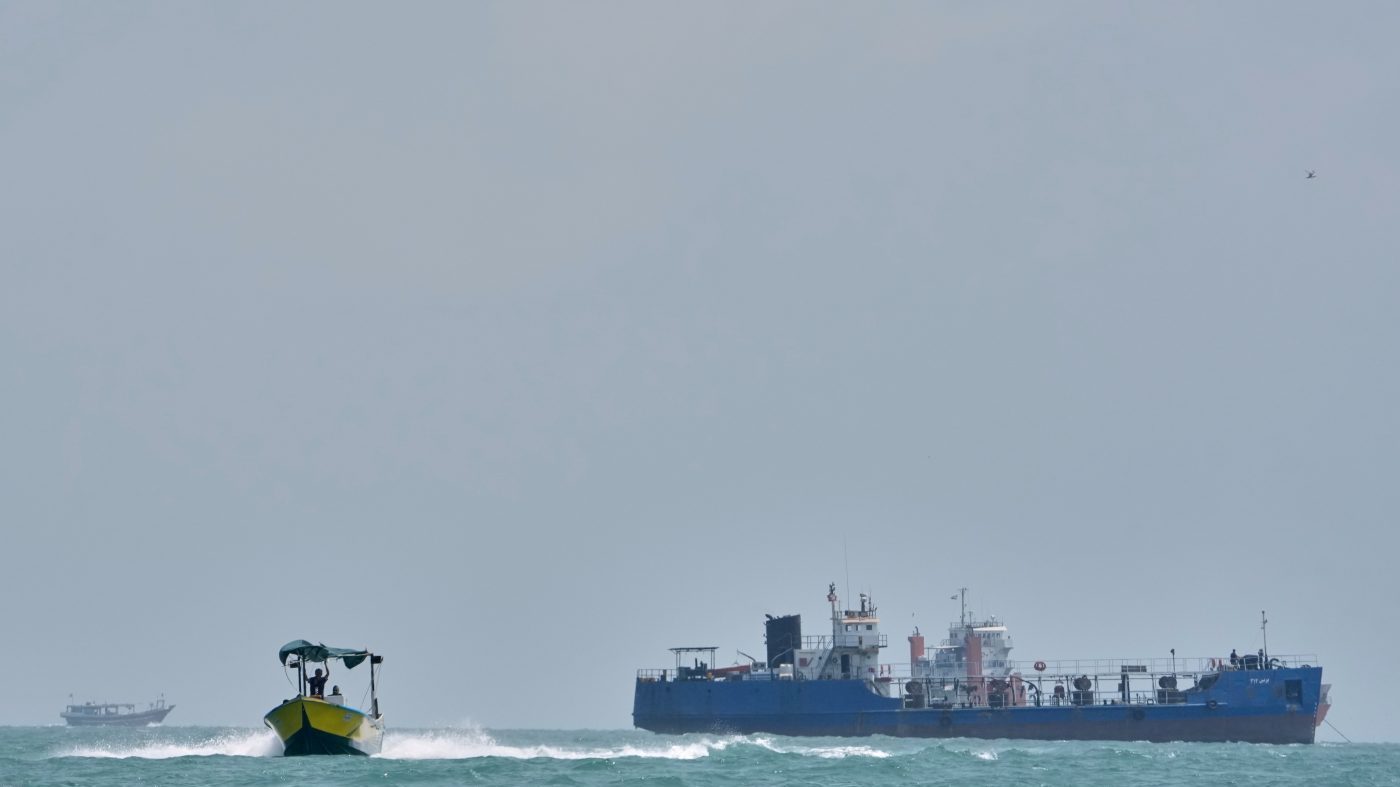
Iran retains crucial strategic leverage through its effective control of the Strait of Hormuz, through which approximately one-fifth of global oil normally flows. The resulting shipping restrictions have caused oil prices to surge roughly 40 percent during the conflict, translating to gasoline prices about one dollar per gallon higher for American consumers and raising broader inflationary concerns.
This economic pressure has exacerbated Trump's political troubles, with a recent Reuters/Ipsos poll showing his approval rating falling to 36 percent. The polling average maintained by Decision Desk HQ shows him underwater by 15 points, with 40 percent approving and 55 percent disapproving of his job performance. Lawmakers Demand Clarity as Trump Deploys 82nd Airborne, Escalating Iran Buildup amid this deteriorating political landscape.
Military Threats and Contradictory Messaging
President Trump has grown increasingly focused on reopening the vital waterway, threatening last weekend to "obliterate" Iran's power plants if Tehran didn't "fully open" the Strait within 48 hours. He subsequently postponed that deadline for five days, citing "very good and productive conversations"—a claim immediately rejected by Iranian officials who called it "fakenews" meant to manipulate markets.
The administration's messaging has grown contradictory, with Trump insisting "the war has been won" while simultaneously deploying thousands of Marines and paratroopers to the region, raising questions about potential ground operations. Leavitt claimed Iran was being "crippled" and "crushed" while asserting Trump's "preference is always peace," warning he could "unleash hell" if Iran remained inflexible. This comes as Graham Shifts Tone, Urges Trump to Pursue Iran Negotiations Over Military Action, reflecting growing Republican concern.
Internal Iranian Dynamics
Despite the punishing military campaign, hopes in Washington and among Iranian dissidents that the assault would topple the Islamic Republic have not materialized. Mojtaba Khamenei replaced his father as Supreme Leader after Ayatollah Ali Khamenei was killed in an Israeli airstrike on the war's first day, though the new leader has not been seen publicly amid reports he may be injured.
Notably absent are the mass protests that earlier this year appeared to threaten the regime's survival. The theocratic government established in 1979 continues to function, and Iran's ability to maintain economic pressure through the Strait of Hormuz gives it continued leverage despite military setbacks. The situation remains volatile, with the potential for rapid escalation should diplomatic efforts completely collapse.