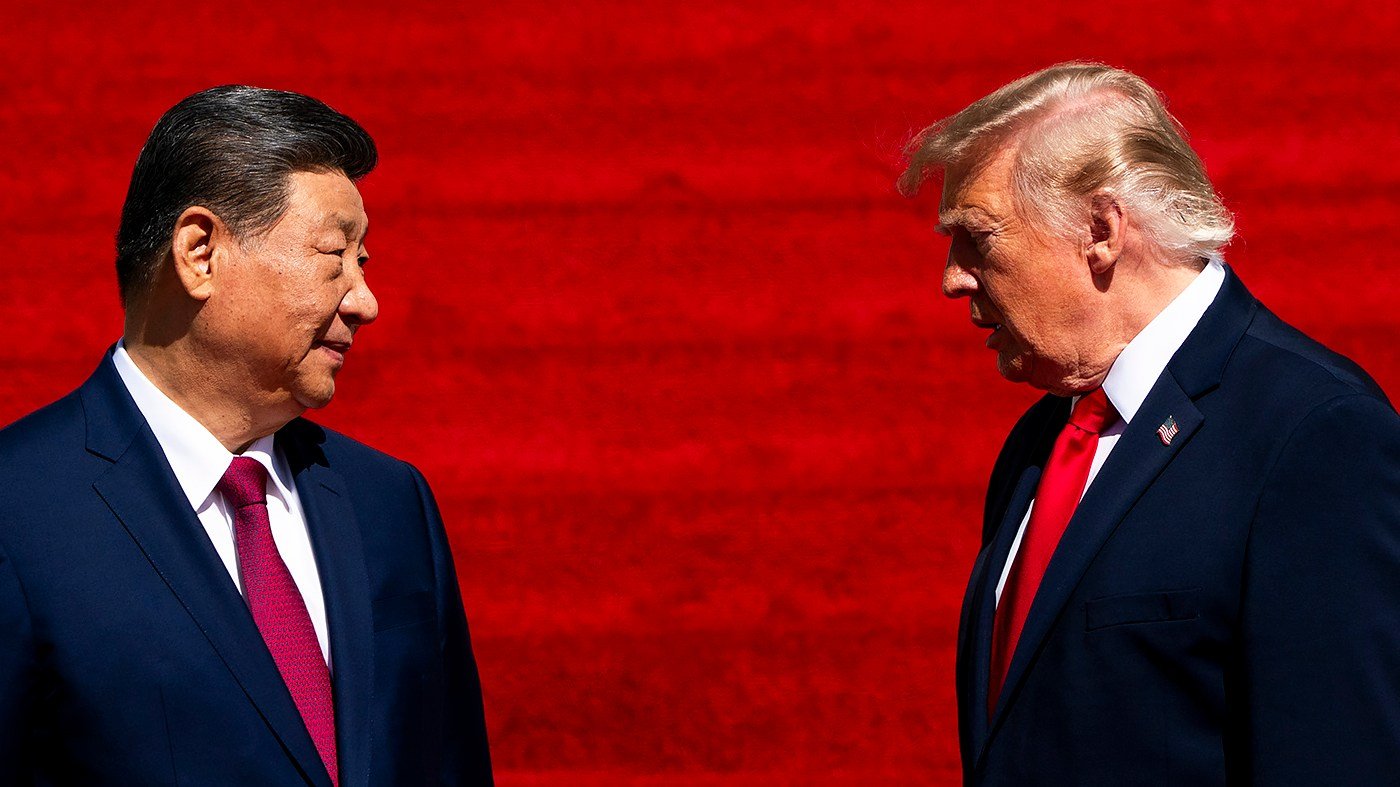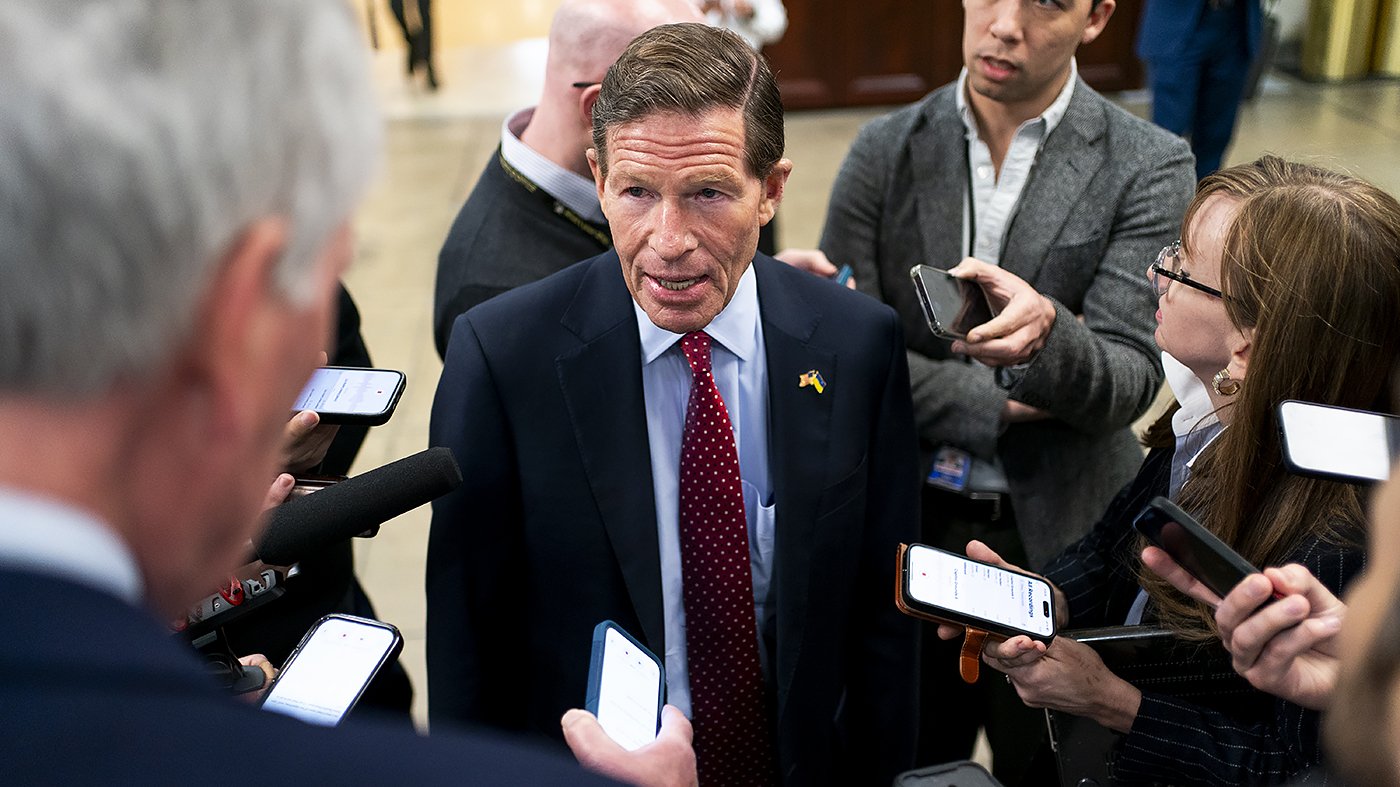
The Trump administration is deploying approximately 2,000 soldiers from the Army's elite 82nd Airborne Division to the U.S. Central Command region, significantly bolstering a force that already exceeds 50,000 service members in the Middle East. This escalation comes as the conflict with Iran approaches its fifth week, and amid growing bipartisan discontent in Congress over the administration's lack of transparency regarding its military objectives and plans.
Bipartisan Dissatisfaction with Briefings
Following classified briefings for the House and Senate Armed Services committees on Wednesday, lawmakers from both parties voiced sharp criticism. They described the sessions, led by senior Defense officials including Assistant Secretary Daniel Zimmerman, as lacking substantive detail on critical issues such as potential ground troop deployments into Iran, munitions stockpiles, and the long-term strategic goals of the operation.

"We want to know more about what's going on, what the options are and why they're being considered. And we're just not getting enough answers on those questions," said House Armed Services Committee Chairman Mike Rogers (R-Ala.), a supporter of the initial strikes. His Senate counterpart, Roger Wicker (R-Miss.), acknowledged the frustration, telling reporters he could "see why he might have said that."
Conflicting Accounts and Deepening Concerns
Accounts from the briefings revealed inconsistencies and gaps. While Sen. Tim Sheehy (R-Mont.) called it a "good" briefing that broadly addressed munitions with "no concerns," Sen. Joni Ernst (R-Iowa) flatly stated officials provided no update on stockpiles. The prospect of putting U.S. boots on the ground in Iran emerged as a primary concern. Sen. Tim Kaine (D-Va.) said he did not "feel better informed" on the issue, while Sen. Richard Blumenthal (D-Conn.) said he was "more fearful than ever" of that path, arguing the stated objectives likely require a "physical presence."
Blumenthal further criticized the administration's goals as "contradictory, confused, chaotic, changing by the day," listing challenges from securing the Strait of Hormuz to destroying missile capacity and restraining uranium enrichment. This sentiment was echoed by Rep. Nancy Mace (R-S.C.), who warned in a social media post that the justifications given to the public differ from the military objectives briefed to Congress, creating a "deeply troubling" gap that erodes support.
Other lawmakers were blunt in their assessment. "Unfortunately, I got more information about what is going on in the Middle East by reading the Washington Post," said Rep. Gil Cisneros (D-Calif.). Sen. Gary Peters (D-Mich.) simply stated, "No, I'm not satisfied," with the information flow.
White House Signals and Congressional Oversight
The congressional push for clarity contrasts with the White House's public messaging. Press Secretary Karoline Leavitt stated the U.S. is "very close to meeting the core objectives of Operation Epic Fury," which continues "unabated." She warned that strikes could intensify if Tehran does not yield to Washington's demands, even as the administration labeled the conflict a "resounding military triumph."
Amid this, lawmakers emphasized their oversight role. Sen. Mike Rounds (R-S.D.) noted that while received information "helps, naturally, we always want more," adding that senators expect more details on the war's costs. The internal GOP debate over strategy continues, as evidenced by Lindsey Graham's recent shift to urge negotiations with Iran. Furthermore, the administration is leveraging the conflict to advance other priorities, such as securing an 18-month extension for the FISA 702 surveillance authority.
The deployment of the 82nd Airborne, whose specific mission remains undiscussed with lawmakers according to Sen. Ted Budd (R-N.C.), marks a tangible escalation. With congressional patience wearing thin and public messaging at odds with classified briefings, the administration faces mounting pressure to define a clear endgame for a conflict that shows no sign of de-escalating.