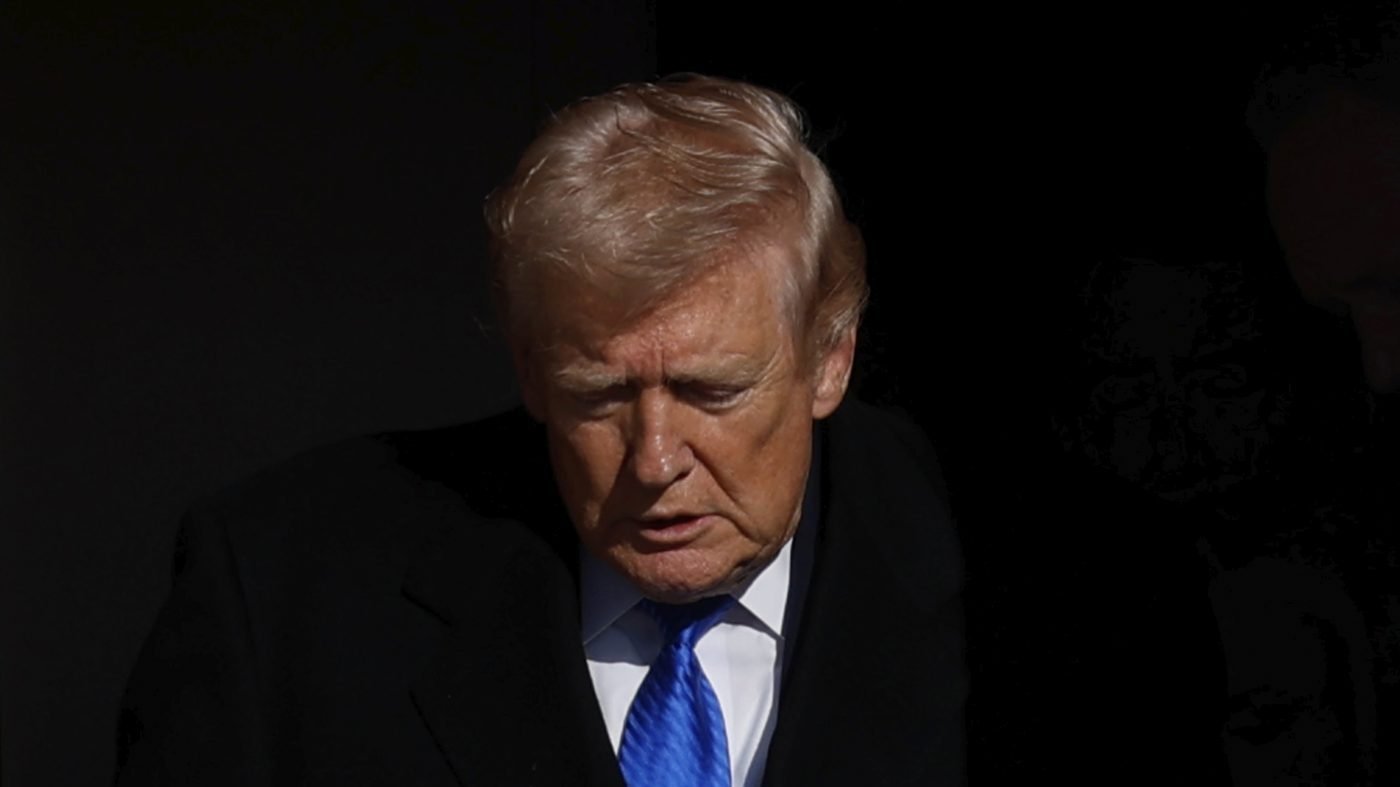
President Donald Trump has broken his public silence on a key surveillance debate, explicitly calling Wednesday for Congress to pass a straightforward, 18-month extension of Section 702 of the Foreign Intelligence Surveillance Act (FISA). The authority, which permits the U.S. government to conduct warrantless surveillance targeting foreigners located overseas, is a perennial flashpoint in the tension between national security and civil liberties.
Iran Conflict Cited as Primary Rationale
In a post on his Truth Social platform, the president directly linked his support for the extension to ongoing military activities against Iran. He framed the surveillance tool as a critical component of current operations, writing, "With the ongoing successful Military activities against the Terrorist Iranian Regime, it is more important than ever that we remain vigilant, PROTECT our Homeland, Troops, and Diplomats stationed abroad." He argued the program is essential to "maintain our ability to quickly stop bad actors seeking to cause harm to our People and our Country."

This public endorsement marks a significant development in the legislative fight over the program's future. While the administration has communicated its position through official channels, Trump's direct appeal to his base and the public adds political weight to the push for a "clean" reauthorization—one without the new privacy safeguards or warrant requirements that a bipartisan coalition in Congress has demanded.
A Shift in Messaging on a Controversial Tool
The president's statement notably attempts to rebrand FISA, a law he and his allies have frequently denounced as weaponized against his 2016 campaign, as a vital military asset. "The fact is, whether you like FISA or not, it is extremely important to our Military," he added. This represents a strategic pivot, aligning the controversial intelligence-gathering program with national defense rather than domestic politics. The call comes amid ongoing scrutiny of the administration's strategic objectives in Iran, even as some Republican senators urge a shift toward diplomacy.
Section 702 is legally designed to target non-Americans outside the United States, but it incidentally collects vast amounts of communications belonging to American citizens when they interact with surveilled foreigners. This "incidental collection" and the subsequent ability of the FBI to query those U.S. person communications without a warrant have made the program a top concern for privacy advocates and lawmakers on both sides of the aisle.
The push for a clean extension sets up a potential clash with legislators who view the expiring provision as an opportunity to impose significant reforms. Key lawmakers have drafted bills that would require the FBI to obtain a warrant before querying the 702 database for information on Americans, among other transparency and oversight measures. The administration and intelligence community leadership have consistently opposed such warrants, arguing they would cripple the program's speed and effectiveness in thwarting terror plots and cyberattacks.
Trump's intervention complicates the political calculus for many in his party. While national security hawks will welcome the endorsement, libertarian-leaning Republicans and those concerned with government overreach may find themselves at odds with the president. This dynamic occurs as the White House contends with other domestic policy challenges, including a recent judicial setback on withholding transit funds and internal debates on issues like post-Roe legislative strategy.
The 18-month timeframe requested by the administration would punt the next reauthorization debate beyond the 2024 election, ensuring the issue does not become a prominent campaign flashpoint. It also allows intelligence agencies operational certainty amid global tensions that extend beyond Iran, including competition with China and Russia. The president's focus on Iran, however, ties the program directly to a volatile geopolitical crisis that has already influenced other policy areas, such as the recent decision to lift a summer ban on E15 fuel amid concerns over gas prices.
As the deadline for Section 702's expiration approaches, Trump's public stance establishes a clear White House position. The coming weeks will test whether congressional leaders can bridge the gap between the administration's demand for a clean extension and a growing legislative appetite for imposing new checks on one of the intelligence community's most powerful surveillance tools.