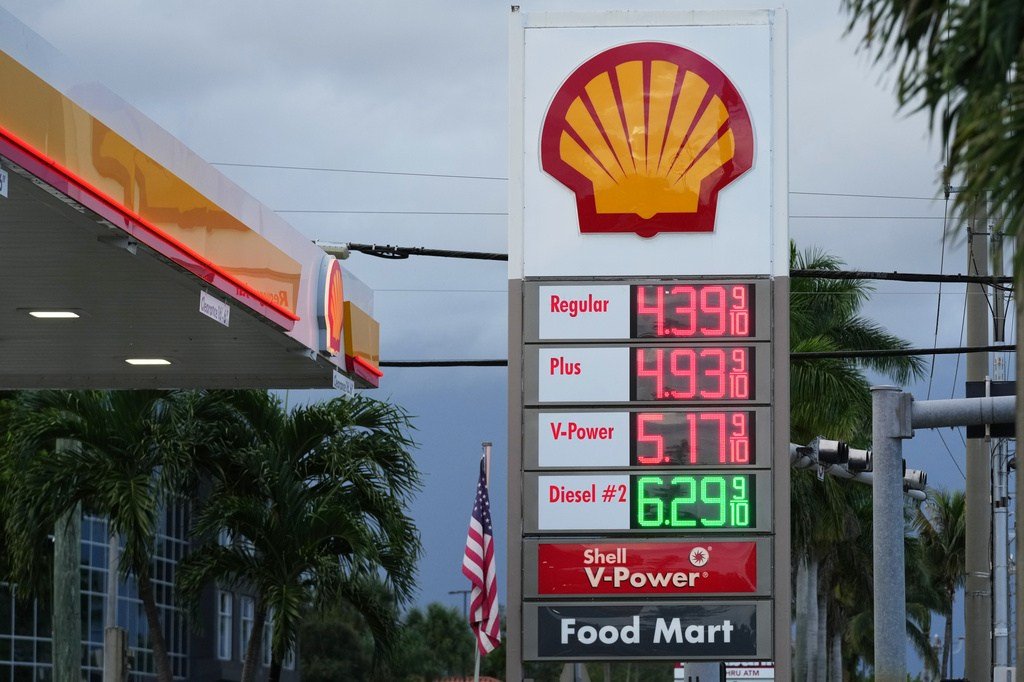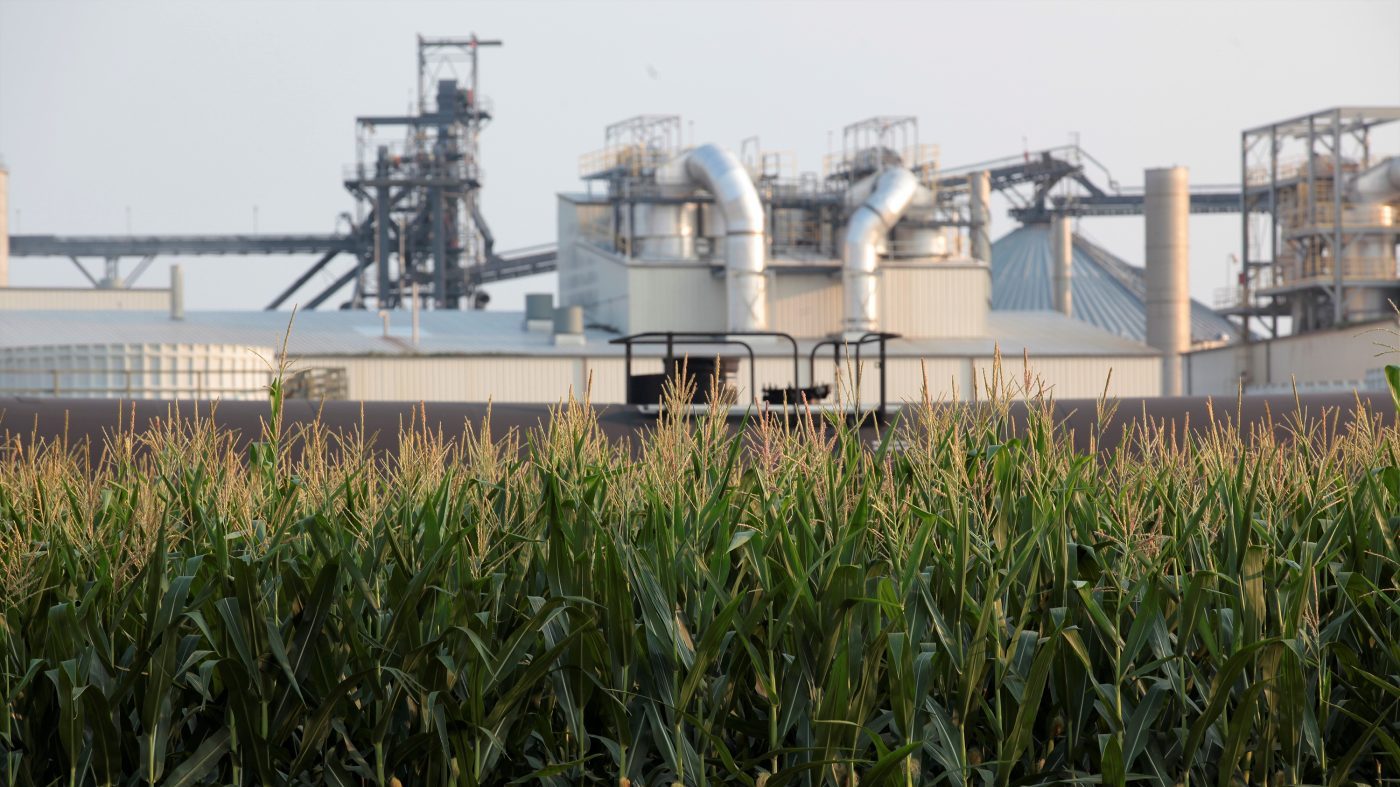
The Environmental Protection Agency, under the Trump administration, has suspended seasonal restrictions on the sale of high-ethanol gasoline, clearing the way for the fuel blend known as E15 to be sold throughout the summer months. The move represents a significant regulatory shift, lifting Clean Air Act provisions designed to limit smog formation during warmer weather.
Repeating a Controversial Policy
This marks the second consecutive year the administration has issued such a waiver. While the timing coincides with a sharp increase in fuel costs linked to Middle East tensions, the policy reflects a consistent effort to bolster the domestic biofuels industry, a key political constituency. The decision bypasses typical regulatory processes that require extensive environmental and public health review.
E15 contains up to 15 percent ethanol, compared to the standard 10 percent found in most gasoline. Its higher volatility causes it to evaporate more readily in heat, contributing to ground-level ozone pollution, or smog. Federal law has historically prohibited its sale from June 1 to September 15 in many parts of the country to maintain air quality standards.
Geopolitical Pressure on Fuel Markets
The administration's announcement arrives as U.S. gasoline prices have surged by approximately one dollar per gallon in recent weeks. This price shock is directly tied to the conflict with Iran, which has effectively halted maritime traffic through the Strait of Hormuz—a critical chokepoint for roughly one-fifth of globally traded oil.
"With geopolitical conflict roiling energy markets worldwide, we applaud President Trump and Administrator Zeldin for acting quickly and decisively to combat potential fuel shortages and help keep a lid on gas prices this summer," said Geoff Cooper, president and CEO of the Renewable Fuels Association, in a statement praising EPA head Lee Zeldin. The biofuels lobby has long advocated for expanded market access for ethanol products.
Broader Policy Context and Criticism
Environmental and public health groups have condemned the move, arguing it prioritizes agricultural and energy interests over air quality and will lead to increased respiratory health problems. The decision also occurs against a backdrop of escalating tensions with Iran, where the administration's strategy has faced scrutiny from both allies and former officials. Notably, former National Security Advisor John Bolton has publicly rejected claims the White House seeks regime change in Tehran, warning of a lack of coherent strategy.
The policy intertwines with other administration priorities, including its assertive use of executive trade powers. Some analysts view the ethanol decision as part of a broader pattern of leveraging regulatory authority for economic and political goals, a approach mirrored in areas like trade policy, where officials claim recent court rulings have strengthened presidential authority.
While presented as a temporary measure to address price volatility, the repeated waivers effectively establish a new, permanent status for E15 sales, challenging existing environmental frameworks. The action underscores the administration's willingness to recalibrate long-standing regulations in response to immediate economic and political pressures, setting a precedent that could extend to other energy and environmental rules.
The immediate effect will be a marginal increase in available fuel supply, though analysts note the impact on national average prices will be limited. The more substantial consequence is regulatory, further embedding ethanol into the nation's fuel supply despite ongoing debates over its environmental benefits, engine compatibility, and economic efficiency.