Former Adviser Disputes Presidential Assessment
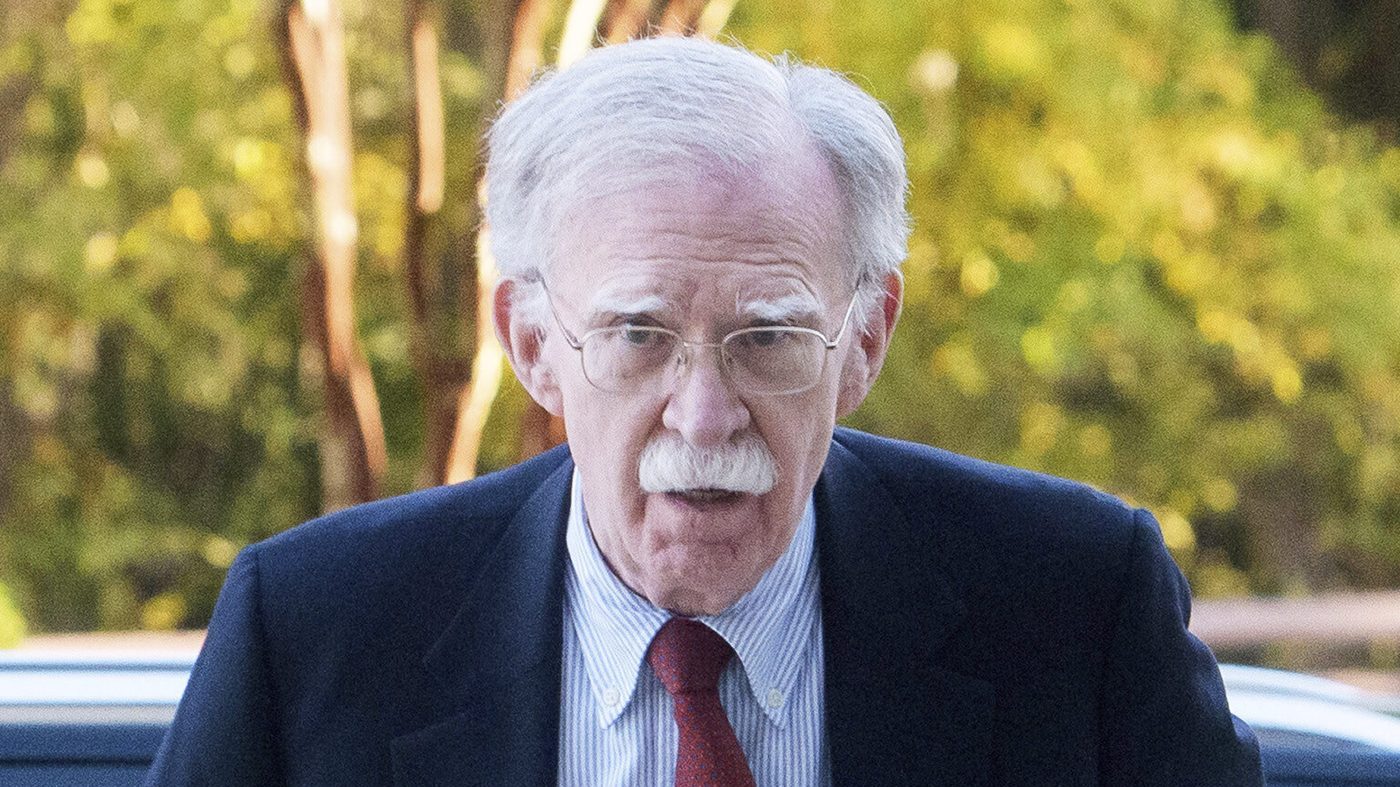
Former National Security Adviser John Bolton has publicly contradicted President Trump's recent assertion that U.S. policy has achieved successful regime change in Iran. The dispute centers on the president's characterization of Iranian leadership turnover during a Tuesday Oval Office press conference.
"The faces may change, but the ideology remains the same," Bolton told CNN's Anderson Cooper. "The regime will change when the ayatollahs and the revolutionary guard are gone, and we're not at that point yet, quite obviously." Bolton suggested the president's remarks represented "another way for him to say that we have won the objective and therefore are victorious and can leave."

Military Context and Diplomatic Moves
The exchange occurs amid ongoing military operations. Joint U.S.-Israeli strikes have reportedly eliminated several high-ranking Iranian officials, including Supreme Leader Ayatollah Ali Khamenei and Revolutionary Guard commander Gen. Gholam Reza Soleimani. Concurrently, the White House forwarded a 15-point ceasefire proposal to Tehran this week, which Iranian officials rejected before launching additional strikes in the Gulf.
This diplomatic effort followed a volatile sequence where Trump threatened to attack Iranian power plants unless the Strait of Hormuz reopened, then rescinded the ultimatum citing "good and productive" talks. The critical oil corridor remains effectively closed due to Iranian counterstrikes on regional U.S. bases and energy infrastructure.
Troop Movements and Strategic Criticism
The Pentagon is preparing to deploy approximately 2,000 additional troops from the Army's 82nd Airborne Division to the Middle East, augmenting the roughly 50,000 U.S. service members already in the U.S. Central Command region. Since the conflict escalated in late February, 290 American troops have been wounded.
Bolton, who served as Trump's national security adviser and previously as U.N. ambassador under George W. Bush, offered a broader critique of the administration's approach. He told CNN the operations signify a "lack of strategic thinking," suggesting actions appear reactive. "I have a more general sense that things are being done on a day-by-day basis, that new plans are evolving, and it reflects a lack of strategic thinking before the attack began," he said.
This public divergence from a former senior official highlights internal Republican tensions on foreign policy, a theme also visible in events like recent party gatherings where Iran strategy sparked debate. Bolton's comments underscore a fundamental disagreement over how to define policy success against Tehran.
The administration's shifting tactics with Iran recall other contentious policy reversals, such as the much-criticized sanctions policy changes that some compare to past disengagement. Meanwhile, the president's unscripted remarks continue to challenge party message discipline, creating friction with former officials and complicating diplomatic and military narratives.
As troop deployments continue and diplomacy stalls, the gap between the president's declarations of victory and his former adviser's assessment of enduring ideological threats presents a stark contrast in how the administration's Iran strategy is perceived both within and outside the government.