Behind the media blitz surrounding President Trump's State of the Union address and the opening of military operations against Iran, Republican campaign strategists are confronting a persistent vulnerability: the president's refusal to adhere to traditional message discipline. As the 2026 electoral landscape takes shape, this operational weakness threatens to complicate the party's efforts to maintain a focused narrative.
The Discipline Deficit
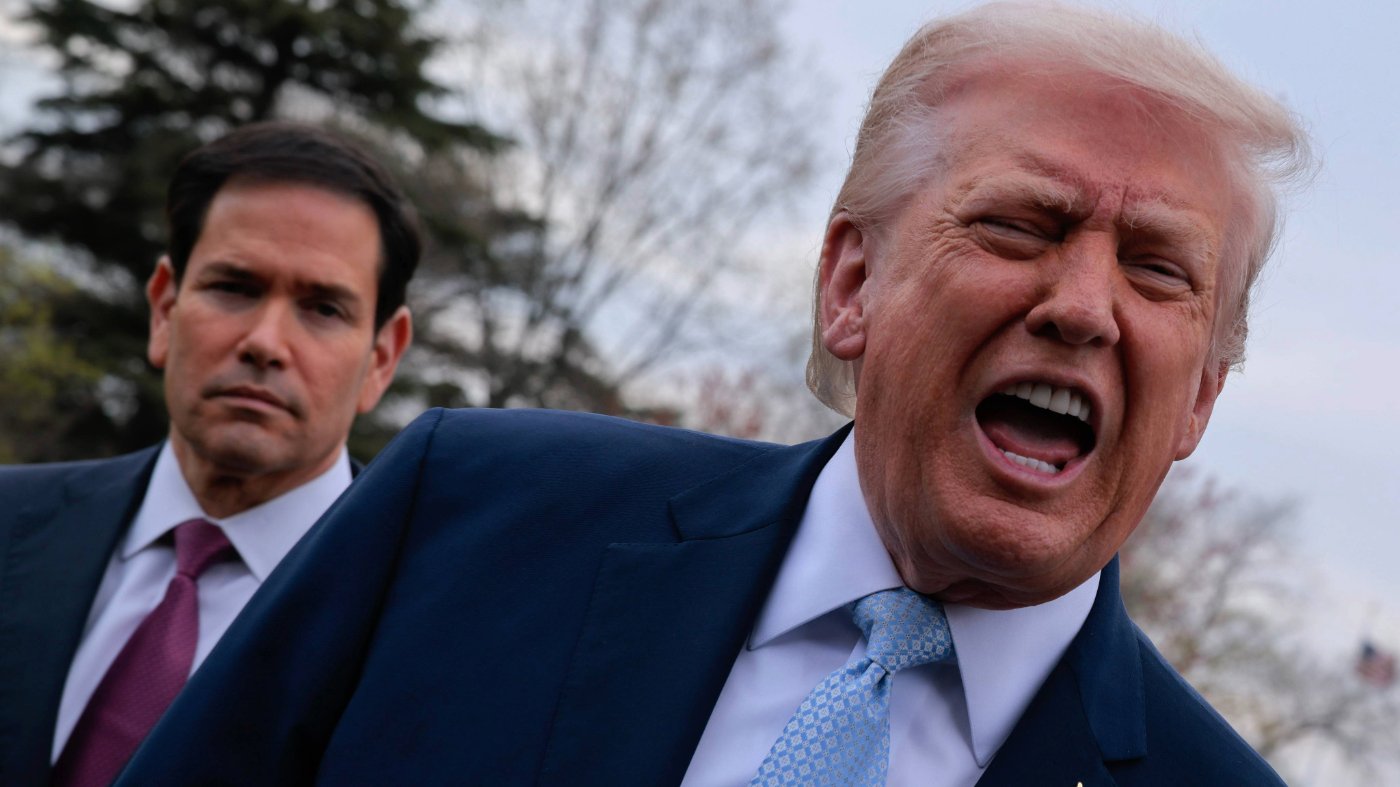
Seasoned political consultants universally prize a candidate's ability to stay on message—a strategy that limits media opportunities to explore unfavorable topics while reinforcing poll-tested themes. President Trump represents a stark departure from this model. He is arguably the most accessible chief executive in modern history, regularly fielding questions from journalists during walks to Marine One, after Oval Office meetings with foreign leaders, and at the outset of lengthy Cabinet sessions.
While this accessibility might seem democratically beneficial, it creates a significant communications problem. Each impromptu session represents a potential loss of White House control over the daily news cycle. The president might begin by addressing grocery prices, but can quickly veer into discussions about volatile Iran policy, territorial disputes over Greenland, the Epstein files, or his grievances about the 2020 election. These discursive tangents often overshadow planned messaging on central issues like the economy.
Strategic Consequences
The political cost of this approach is becoming increasingly clear. Despite his constant media engagement, Trump receives little credit for transparency. Instead, he cedes narrative authority to the same press corps he frequently denounces and has sued on multiple occasions. This dynamic fuels a perception, particularly among swing voters, that the president is out of touch with their daily financial pressures.
Internal Republican analysis suggests voters primarily want the administration to focus on economic stability. Top aides, including chief of staff Susie Wiles and pollster Tony Fabrizio, reportedly understand this priority. Yet the president's campaign trail behavior consistently undermines this focus. Scheduled speeches in battleground states like Pennsylvania, Iowa, and Georgia, intended to outline economic programs, frequently devolve into 90-minute, note-free monologues where any passing thought becomes public pronouncement.
These remarks often contain a mix of verifiable facts and significant exaggerations. A mention of pre-war gas price reductions might be followed by an unsubstantiated claim that inflation has been "solved," a statement at odds with ongoing consumer concerns. This pattern, critics argue, devalues factual discourse and shifts media attention to topics of limited electoral relevance.
The result is a communications environment saturated with presidential commentary on issues—from NFL rule changes to Hall of Fame snubs—that resonate little with families scrutinizing grocery receipts. This amplifies a disconnect that could prove costly in a close election, as detailed in analyses of the administration's broader governing challenges.
The prescribed remedy from within GOP circles is straightforward: the president should dramatically reduce his unscripted interactions with the press. Whether Trump, who has built a political identity on breaking established norms, will accept this strategic restraint remains an open question. For a party apparatus already grappling with internal divisions over foreign policy and a looming leadership transition, the answer could define their 2026 prospects.
Analysis by The World Signal political desk. Kevin Igoe, former deputy chief of staff of the Republican National Committee, contributed context.