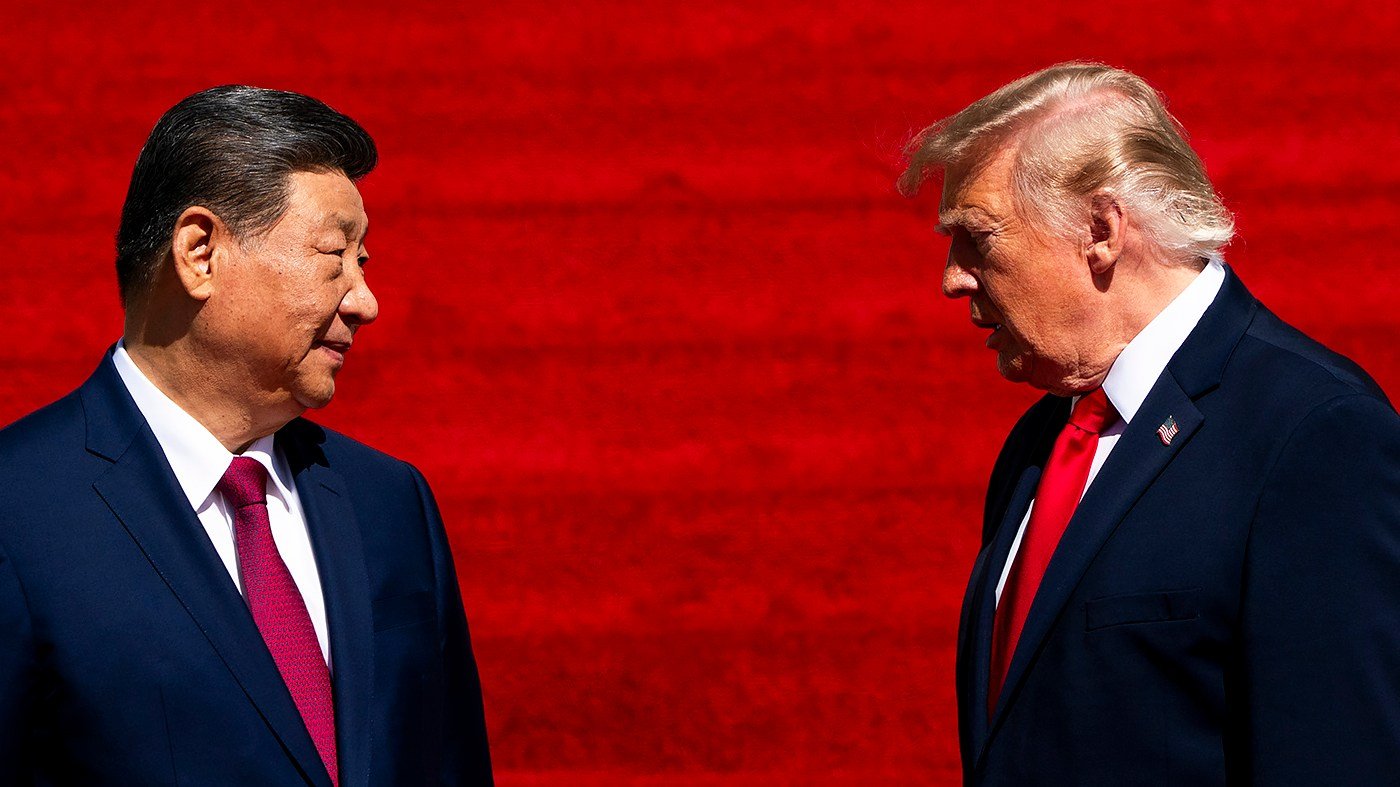
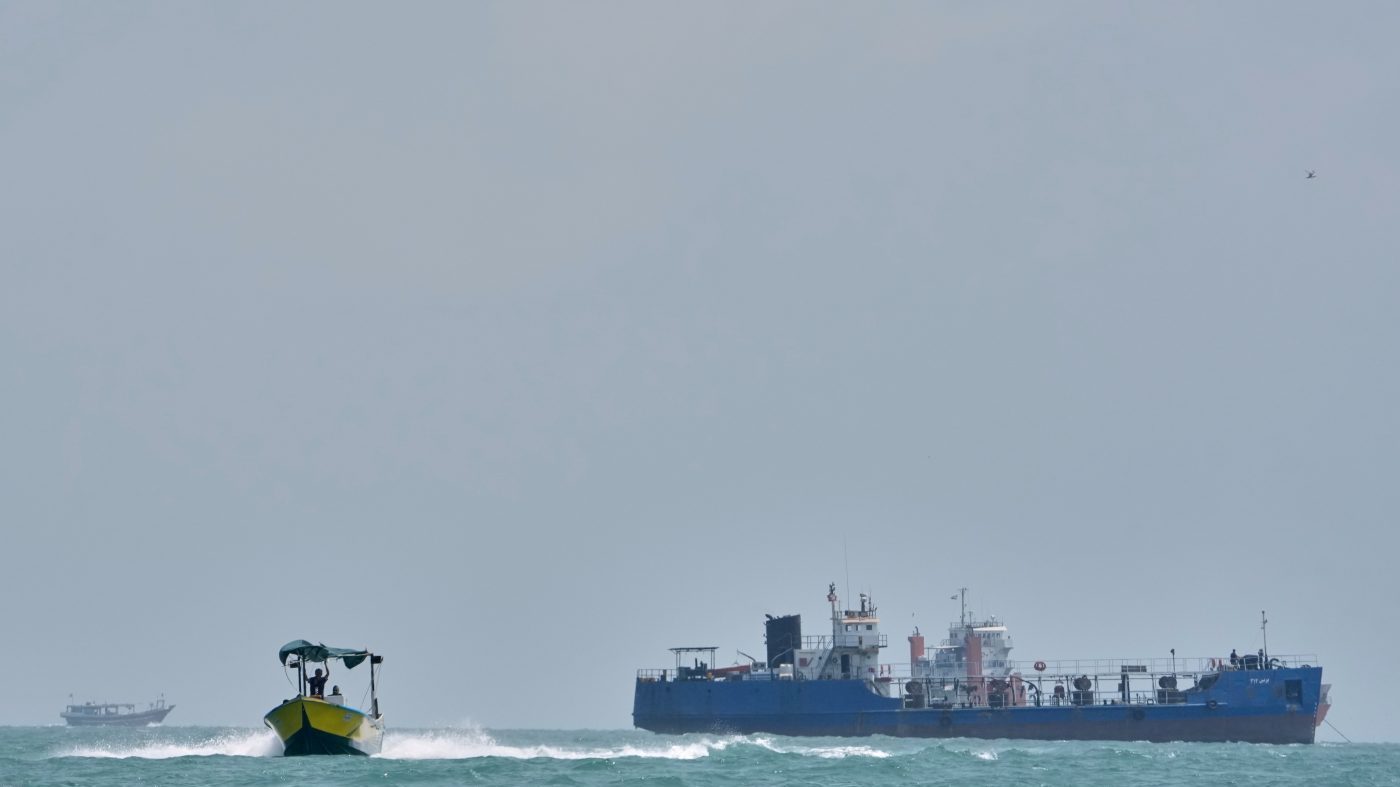
In a move to counteract rising gasoline prices, the Trump administration has suspended tariffs on Iranian oil, effectively allowing the regime to sell crude on international markets. This decision comes after Iranian forces restricted traffic through the Strait of Hormuz, a critical chokepoint for global energy supplies, in response to U.S. military actions. The policy reversal creates a stark contradiction: the United States is now facilitating revenue for a state it considers an active combatant.
A Familiar, Costly Pattern
The scenario evokes a painful chapter from the Afghanistan war. A 2014 congressional investigation revealed that contractors trucking supplies to U.S. bases in Kandahar were paying bribes—"protection payments"—to the very Taliban insurgents American troops were fighting. The funds came from U.S. contracts, creating a perverse cycle where American dollars armed the enemy. The report concluded the operational environment necessitated these payoffs to local warlords and the Taliban for safe passage.
"You can't effectively fight a war when you are funding the enemy," argues Micah Ables, a former U.S. Army infantry officer who served in Afghanistan. He describes the cognitive dissonance soldiers felt knowing their logistical chain was financing their adversaries. The administration's abrupt policy shifts on Iran and other issues have left both Washington and foreign capitals struggling to anticipate U.S. strategy.
A Strategic Reversal on Iran
President Trump himself has previously framed sanctions relief as dangerously empowering adversaries. In 2018, he criticized the prior administration for lifting sanctions, arguing it gave "a lifeline of cash to a murderous dictatorship" that would fund terrorism and build missiles. Now, facing domestic political pressure over fuel costs stemming from the conflict he initiated, the president is granting Iran the same financial lifeline.
The rationale appears to be economic expediency over strategic consistency. If the conflict with Iran constitutes a serious national security threat warranting military action, critics contend, then the nation should bear the economic sacrifice, including higher gas prices. The decision to alleviate economic pain at home by enriching the adversary abroad suggests, to some observers, that the war's objectives may not be vital enough to demand public hardship. This comes as divisions within the GOP on Iran policy become more pronounced.
Ables notes a critical distinction from Afghanistan: "We didn't directly choose to fund the Taliban back then—unaccountable contractors did. This time? The one making the choice is the commander in chief." The directness of the policy makes the strategic contradiction more explicit and, in his view, more egregious.
The Home Front Disconnect
The article highlights a persistent disconnect between the realities of military engagement and domestic political life. Service members in combat zones often feel their sacrifices are forgotten by a public and political class absorbed in other concerns. Ables recalls speaking to family after dangerous patrols while headlines focused on midterm elections and unrelated scandals.
He once half-joked about a conflict tax—a direct levy anytime troops are deployed—to force a conscious national choice: either accept the full cost of war or withdraw. The principle is that wars demand shared sacrifice, not just from those in uniform but from the citizens and leaders who send them. The current approach to Iran, critics argue, seeks to avoid any domestic economic sacrifice, outsourcing the cost instead to the strategic folly of strengthening the enemy.
The administration's broader management style, characterized by rapid reversals and partisan priorities, may be contributing to an ad-hoc foreign policy. Meanwhile, Iranian officials have rejected U.S. overtures, publicly framing the sanctions relief as an American capitulation to economic pressure.
The core argument remains stark: if a nation is unwilling to endure economic inconvenience—like five-dollar gasoline—to defeat an adversary, it fundamentally questions the war's necessity. By choosing to fund Iran rather than ask Americans to pay more at the pump, the U.S. is, in the view of this analysis, admitting this conflict is not worth winning—and therefore not worth fighting.