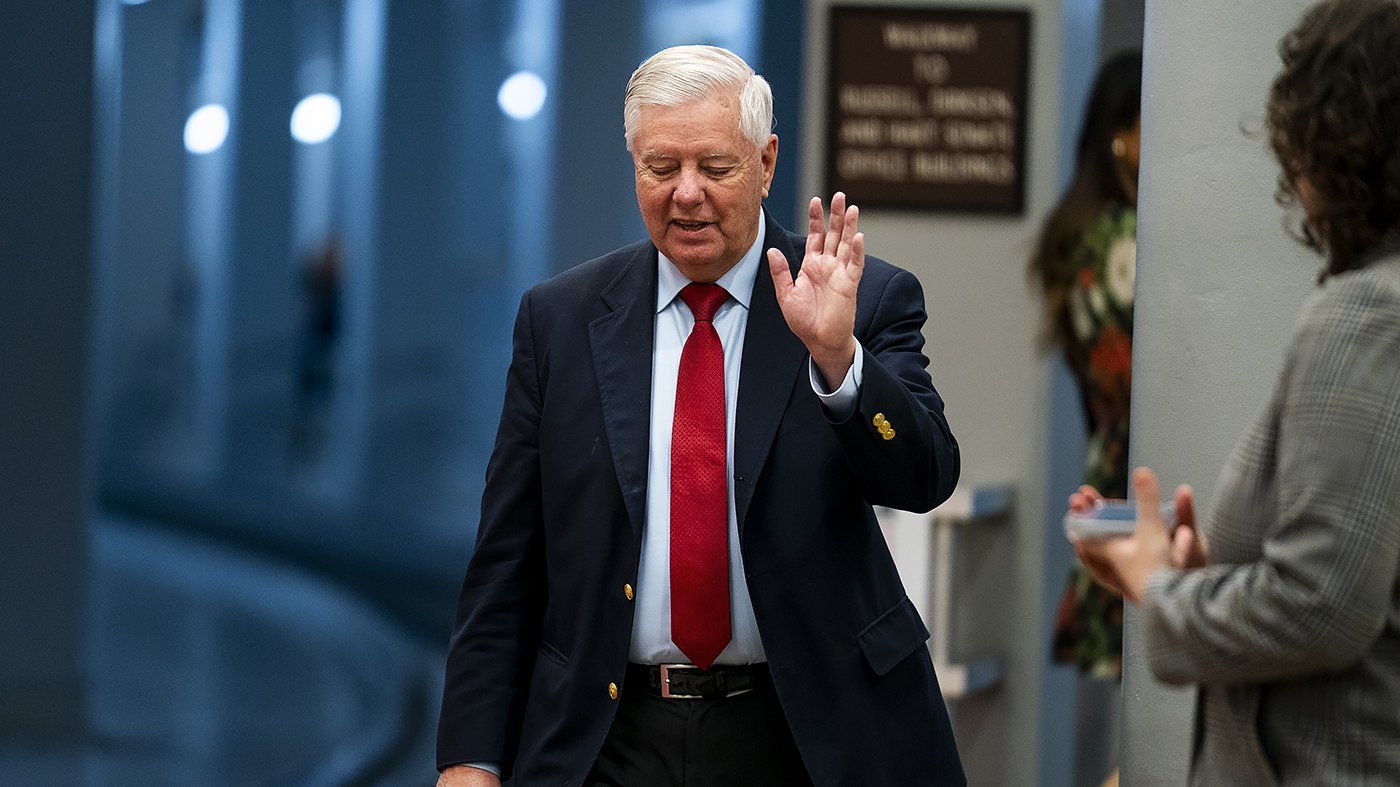
Senator Lindsey Graham, a South Carolina Republican and one of the most vocal proponents of aggressive military action against Iran, has publicly urged President Trump to prioritize diplomatic negotiations to resolve the ongoing conflict. In a significant rhetorical shift, Graham stated on social media that he would "prefer" a negotiated settlement, bluntly noting that "war literally is hell."
From Hawk to Diplomatic Advocate
Graham's comments mark a notable departure from his recent, more bellicose posture. Just days ago, he was strongly advocating for the U.S. to seize or blockade Iran's Kharg Island, home to a critical oil export terminal, comparing such a mission to the historic World War II battle of Iwo Jima. His latest statements, however, frame diplomacy as the preferable path, provided it achieves specific strategic objectives.

"Not only do I support the President and his team's efforts to negotiate with Iran to find a solution to the threats this regime presents, I encourage it," Graham wrote. "It is the outcome I seek, not the method." He emphasized that his core demands remain unchanged since hostilities began: a verifiable end to Iran's nuclear weapons program, the dismantling of its ballistic missile capabilities, and the cessation of its support for terrorist proxy groups across the Middle East.
Context of a Paused Offensive
The senator's appeal for talks comes as the Trump administration has implemented a five-day pause on strikes targeting Iranian energy infrastructure. The White House recently presented a 15-point ceasefire proposal to Tehran, which was swiftly rejected. Graham expressed confidence in the president's negotiating team, asserting they could secure a deal that meets the military's original objectives without further escalation. This diplomatic maneuvering follows broader administration efforts to recalibrate its economic pressure campaign against Tehran.
Despite his new emphasis on diplomacy, Graham has not fully retracted his support for severe military options. His advocacy for action against Kharg Island was based on the belief that controlling the facility would critically weaken the Iranian regime. "I don't know if you take the island or you blockade the island," he said in a recent television appearance, "but I know this, the day we control that island, this terrorist regime has been weakened."
Internal GOP Criticism Emerges
The senator's earlier martial language has drawn sharp criticism from within his own party. Representative Anna Paulina Luna, a Florida Republican, lambasted Graham for his Iwo Jima comparison, accusing him of disrespect for American troops. "He is acting as if they are expendable cattle. This is unacceptable and dark," Luna posted on social media, highlighting that the historic battle resulted in over 26,000 American casualties. This intraparty friction highlights the ongoing challenges to Republican message discipline on national security matters.
Graham's evolving position reflects the complex political and strategic calculations surrounding the Iran conflict. While maintaining his ultimate objectives, he is now publicly aligning himself with the diplomatic track, potentially signaling a White House assessment that a negotiated off-ramp is being sought. His stance also continues his pattern of aggressively pushing for funding and legislative tools to confront Iran, even as he advocates for talks.
The situation remains fluid, with the administration's ceasefire proposal rejected and the military pause temporary. Graham's public push for negotiations adds weight to the diplomatic effort but does not eliminate the possibility of a return to military escalation if talks fail. His comments underscore a central tension within the administration's Iran policy, which has oscillated between maximum pressure and seeking a deal, a dynamic noted by former officials like John Bolton, who has warned of strategic drift.
As the deadline on the operational pause approaches, all eyes will be on whether Tehran shows any flexibility and if the Trump administration can reconcile the demands of hawks like Graham with the realities of a negotiated settlement. The senator's rhetorical shift may be an attempt to provide political cover for a potential deal, or merely a tactical pause before advocating for renewed hostilities.