A federal judge has issued a temporary restraining order compelling the Trump administration to release nearly $2 billion in federal funds earmarked for Chicago public transportation projects. The ruling by U.S. District Judge Thomas M. Durkin represents a significant legal setback for the administration's efforts to withhold the money.
Administration Cites Noncompliance with New Rules
The funds were retroactively frozen by the Federal Transit Administration and Department of Transportation in October. Officials cited the Chicago Transit Authority's alleged noncompliance with new federal guidelines concerning diversity, equity, and inclusion initiatives. The administration argued the CTA had failed to meet requirements related to Disadvantaged Business Enterprises.

In a complaint filed last Friday, the CTA accused the administration of engaging in "political retaliation." The transit authority contended it had been required by the prior Biden administration to include specific DEI provisions in its grant agreements. The complaint stated, "In the days before and after Defendants froze CTA's funds, the Administration made clear its desire to single out for adverse treatment those jurisdictions and programs affiliated with leaders from a different political party." It further argued that basing decisions on "political animus" was arbitrary and capricious.
Court Grants Temporary Relief
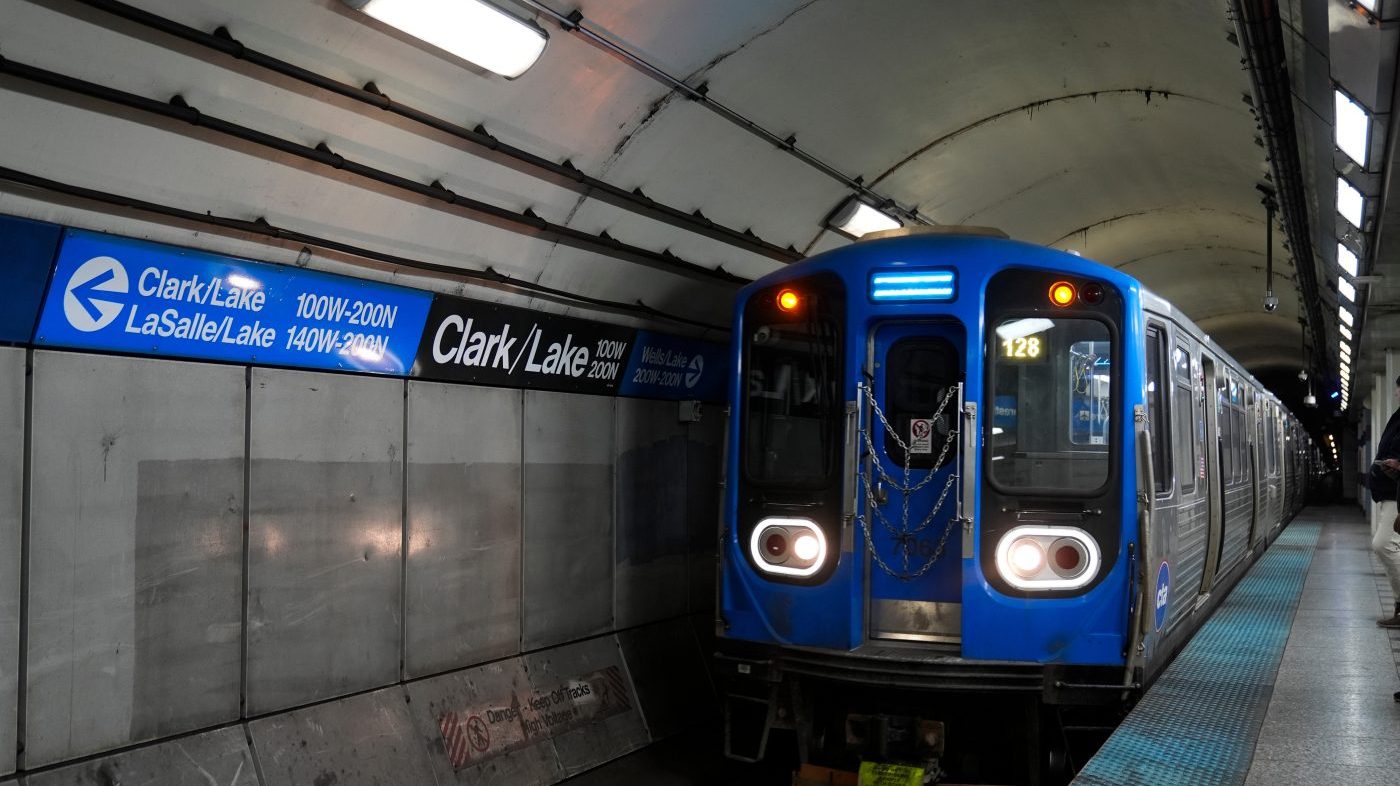
Judge Durkin's order, first reported by the Chicago Tribune, temporarily halts the funding freeze. The ruling is stayed until Friday morning to allow the federal government time to file an appeal. If upheld, it will release funds critical for projects including the extension and modernization of Chicago's Red Line train service.
CTA acting President Nora Leerhsen hailed the decision as a "major victory" in a statement posted on the agency's website. "CTA promised the community that it would fight for RLE, and this ruling is a massive step toward restoration of funding for this historic project," Leerhsen said. She warned that without the court's intervention, the agency would have been forced to pause these initiatives by this Friday. "RLE will provide transit access and opportunity for generations to come, and we are fully committed to seeing it move forward," she added.
Broader Context of Administrative Actions
The legal clash over transit funding occurs amid a series of contentious policy shifts by the administration. This case echoes other instances where federal judges have intervened in disputes seen as politically charged, such as when a federal judge dismissed a DOJ subpoena citing a lack of evidence and political pressure. The administration has also taken a hard line on jurisdictions with opposing leadership, with the border czar vowing to end sanctuary city policies, specifically citing Chicago.
Simultaneously, the administration is pursuing aggressive reforms in other areas, having recently extended a FEMA reform panel that proposed deep staff and aid cuts. The funding freeze and subsequent legal battle highlight the ongoing friction between federal policy directives and local governance, particularly in cities led by political opponents.
The Department of Transportation and Federal Transit Administration have not yet commented on the ruling. The outcome of any potential appeal will determine whether Chicago can proceed with its planned transit expansion or if the funds will remain locked in a political standoff.