Judge Rebukes DOJ Probe, Cites Political Motives
A federal judge has dismissed the Justice Department's attempt to subpoena Federal Reserve Chair Jerome Powell, delivering a sharp rebuke to prosecutors who acknowledged they had no criminal evidence against the central bank chief. In a ruling that cited "zero evidence" of wrongdoing, Judge James Boasberg suggested the investigation was a tool to pressure Powell on monetary policy.
Prosecutors Admit Lack of Evidence in Sealed Hearing
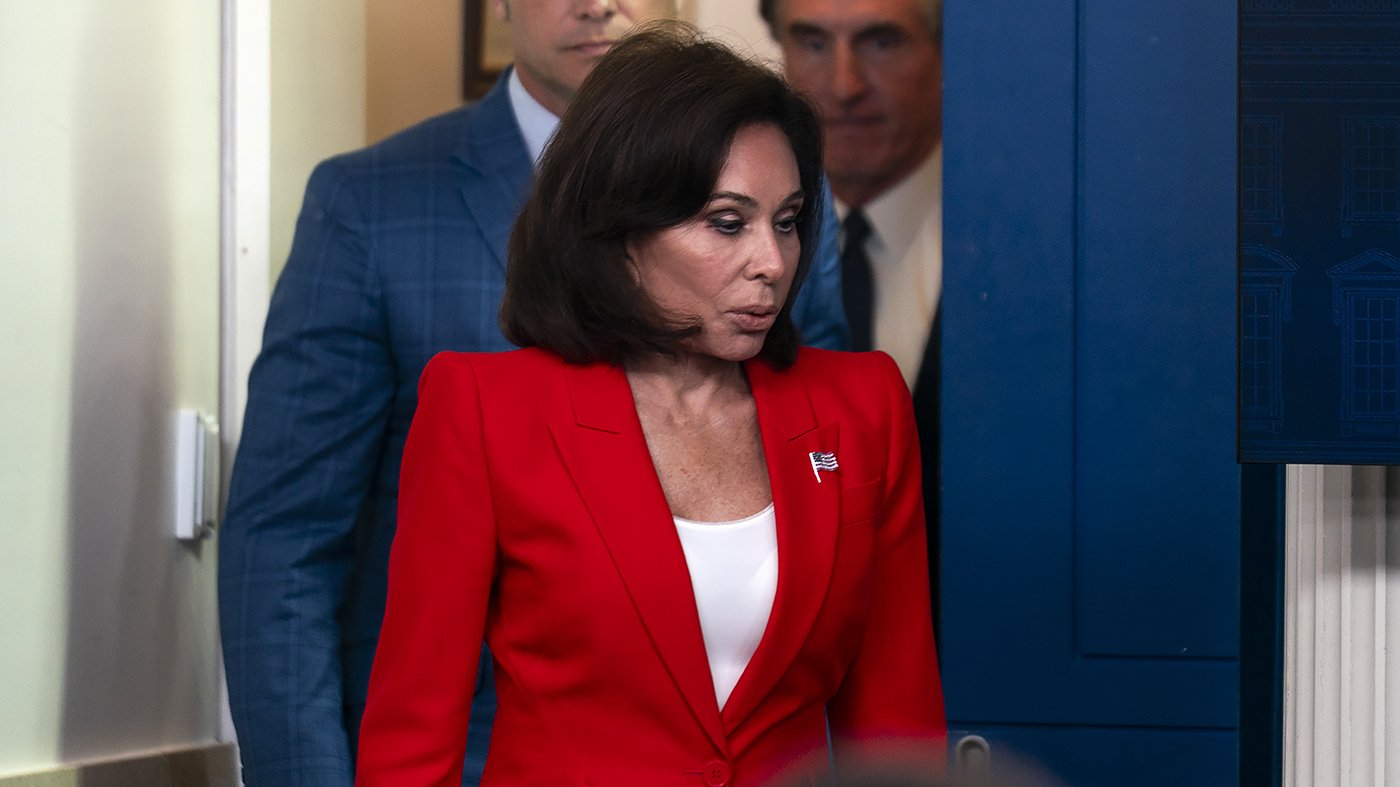
According to a sealed transcript reviewed by The Associated Press, Assistant U.S. Attorney Andrew Massucco, a deputy to U.S. Attorney Jeanine Pirro, told Judge Boasberg on March 3 that the Justice Department lacked evidence of criminal conduct by Powell. The probe centered on Powell's statements to Congress about a multi-billion dollar renovation of the Federal Reserve's headquarters, a project whose cost increased from an initial $1.9 billion estimate.
When pressed by Judge Boasberg about what false statements Powell allegedly made, Massucco responded, "Well, we don't know is my first answer." Regarding evidence of fraud, the prosecutor stated, "Again, we do not know at this time. However, there are 1.2 billion reasons for us to look into it," referencing the cost overrun. The U.S. Attorney's office had previously cited "possible discrepancies" in court filings but provided no specifics.
Judge Finds Investigation Politically Motivated
In his March 11 ruling dismissing the subpoena request, Judge Boasberg wrote that "a mountain of evidence suggests that the Government served these subpoenas on the Board to pressure its Chair into voting for lower interest rates or resigning." This aligns with public criticism from former President Donald Trump, who repeatedly pressured Powell to cut rates and suggested criminality in the renovation project.
The Fed's legal team, led by attorney Robert Hur, argued the investigation was sparked by "political motives" and noted that government renovation projects frequently exceed initial estimates. The legal confrontation echoes other high-profile clashes between federal judges and Justice Department tactics that have raised questions about prosecutorial overreach.
Political Fallout and Confirmation Delay
The investigation has stalled the Senate confirmation of Powell's nominated successor, Kevin Warsh, creating uncertainty at the helm of the nation's central bank. Powell's term expires on May 15, but he has stated he will remain in position until a successor is confirmed and until the criminal investigation concludes. U.S. Attorney Jeanine Pirro has pledged to appeal the judge's decision, ensuring continued legal and political conflict.
This episode occurs against a backdrop of increasing political pressure on independent institutions, similar to the Trump administration's escalated legal battles with academic institutions. The judge's finding that the investigation served as political leverage over monetary policy raises significant questions about the separation between law enforcement and economic policy.
The dismissal represents a significant setback for prosecutors and highlights the judiciary's role in checking politically charged investigations. As the appeal process begins, the case continues to cast a shadow over the Federal Reserve's leadership during a critical period for the U.S. economy.