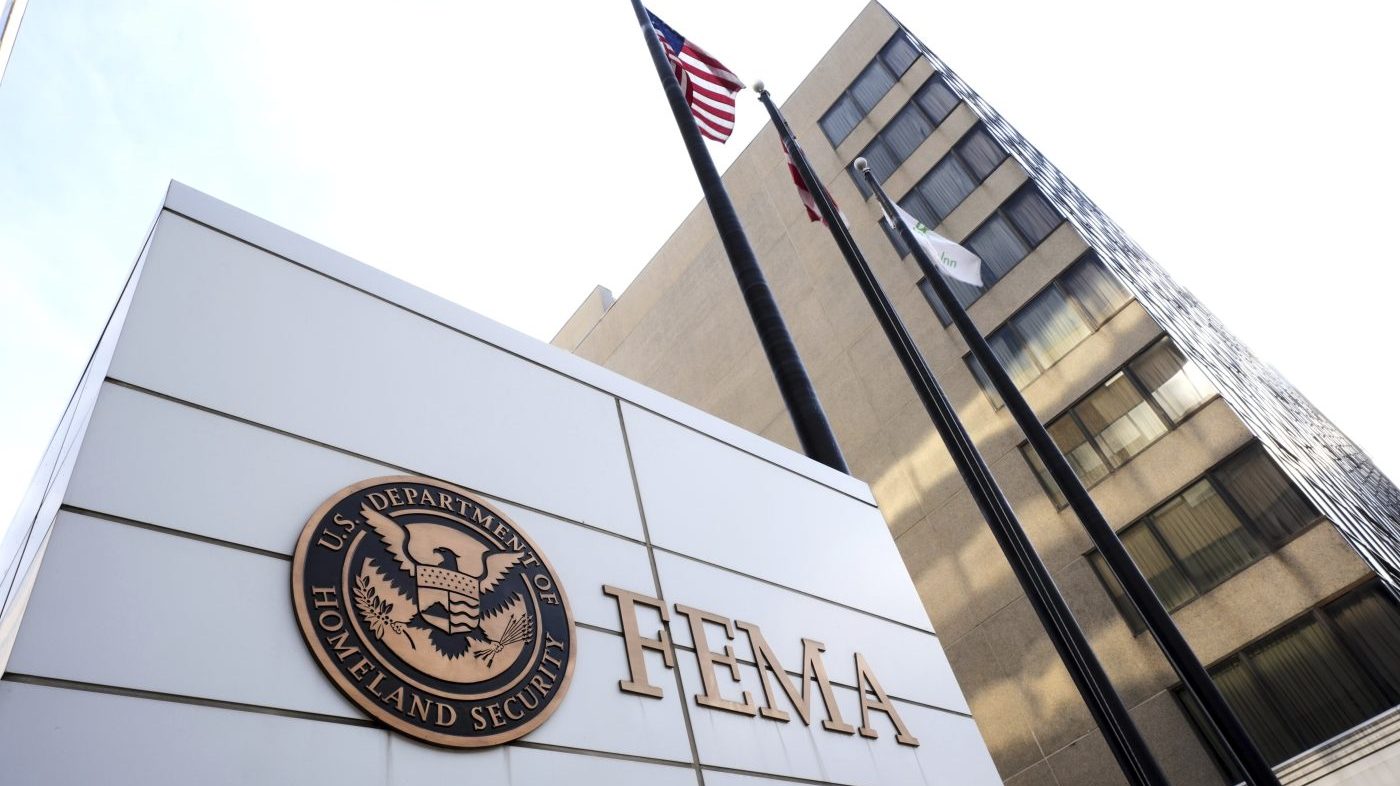
President Donald Trump has issued an executive order extending the operational timeline of a presidential council charged with proposing a major restructuring of the Federal Emergency Management Agency (FEMA). The move comes as the administration continues its broader scrutiny of federal agencies and their budgets.
Council's Mandate and Controversial Proposals
The council, established to recommend sweeping changes to the nation's primary disaster response agency, now has its work extended until late May or until ten days after it formally submits its recommendations to the President. This follows a previous short-term extension after a scheduled December meeting to unveil initial proposals was unexpectedly canceled.

Internal documents from December, reviewed by The Hill, reveal that the panel had been considering drastic measures. These included a proposal to cut FEMA's staff by approximately 50 percent and to significantly raise the threshold for disasters to qualify for federal aid, which would shift more financial responsibility to state and local governments. It remains unclear if these specific recommendations remain under active consideration by the council's current membership.
Administration's Stance and Leadership Shift
The Trump administration has long signaled its intent to reform FEMA, with the President and some Cabinet members at times floating the idea of eliminating the agency entirely. More recently, the focus has shifted toward reducing federal disaster spending. This push for agency restructuring aligns with the administration's broader efforts to reshape the federal workforce, which critics argue could undermine institutional expertise.
A key change in the council's leadership is now underway. Newly confirmed Homeland Security Secretary Markwayne Mullin is expected to assume a co-chair position on the panel, replacing former South Dakota Governor Kristi Noem. Mullin's leadership could steer the council's final recommendations, which are being developed as the administration manages multiple crises, from pandemic response to international tensions. The President's foreign policy maneuvers, including sudden reversals on issues like Iran policy, have created an unpredictable backdrop for domestic overhauls.
Broader Context of Federal Reform
The potential restructuring of FEMA occurs within a wider administration agenda targeting federal program efficiency and cost-cutting. Similar state-led initiatives aimed at reducing fraud and dysfunction in welfare programs reflect a parallel drive for leaner government. However, proposals to dramatically shrink a core emergency response agency represent a more contentious frontier in that effort.
As the 2024 election cycle approaches, management of federal agencies and disaster response remains a potent political issue. The council's delayed recommendations and shifting membership suggest internal debates over the scale and pace of proposed changes. The outcome will be closely watched by state emergency managers, lawmakers from disaster-prone regions, and policy experts who argue that FEMA's role is increasingly critical in an era of intensifying climate-related disasters.
The extension gives Secretary Mullin and the council additional time to finalize their report, which could set the stage for one of the most significant reorganizations of the nation's disaster preparedness system in decades. The final recommendations will likely influence not only FEMA's future but also the broader debate over the federal government's role in domestic crisis response.