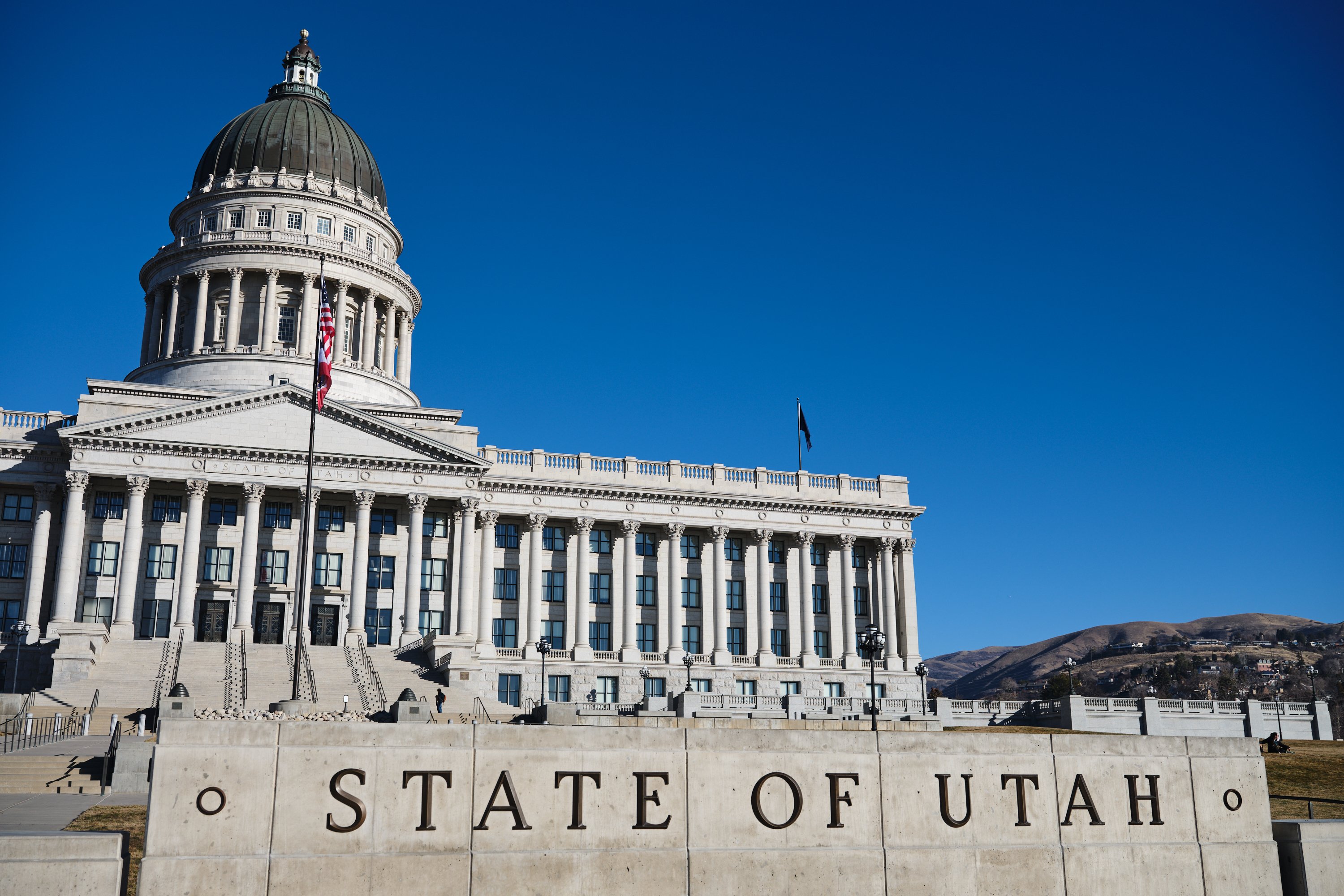
State Laboratories Take Lead on Welfare Reform
The massive welfare fraud scandal in Minnesota has exposed more than just criminal malfeasance; it has revealed a fundamentally broken system that discourages work, perpetuates dependency, and operates with minimal accountability. While comprehensive federal reform remains stalled—with the Working Families Tax Cut Act marking Congress's first major attempt since the 1990s—states are emerging as laboratories for substantive change.
A System Designed for Failure
Since the Great Society programs of the 1960s established Medicaid and food stamps, America's safety net has ballooned into more than 80 separate programs, each with its own labyrinthine rules and reporting requirements. This fragmentation creates what analyst Jonathan Rauch termed a "large, incoherent, often incomprehensible mass" that resists reform. The system's perverse incentives are well-documented: benefit cliffs punish recipients for getting promotions, marriage often disqualifies families from childcare support, and programs rarely connect participants to actual job opportunities.

The Minnesota case demonstrated how this complexity enables fraud, but the greater scandal lies in what's perfectly legal—billions flowing through dozens of agencies with no one tracking whether any of it actually helps people achieve independence. This administrative chaos mirrors the kind of systemic failures seen in other sectors, such as when regulatory oversight breaks down in housing finance.
The 'One Door' Solution
Utah has pioneered a transformative approach called "One Door" that consolidates welfare programs into a single point of entry. Instead of navigating separate offices for Medicaid, SNAP benefits, and workforce training, recipients now interact with one integrated system. This consolidation dramatically reduces opportunities for fraud—when 80 separate programs exist, bad actors have 80 different ways to exploit the system without detection.
More fundamentally, One Door represents a philosophical shift from managing dependency to promoting self-reliance. Caseworkers focus on helping recipients build skills, find employment, and transition toward independence. As one advocate describes it, this moves "from a system designed around programs and bureaucracies to one designed around people."
Building Momentum for Change
Louisiana, Mississippi, and Arkansas are now taking preliminary steps toward adopting similar reforms, establishing task forces to audit their welfare programs, enrollment data, and outcomes. This scrutiny represents a critical departure from the inattention that allowed Minnesota's fraud to flourish. The state-level action contrasts sharply with Washington's paralysis, reminiscent of how federal dysfunction sometimes forces state and local adaptation during crises.
The political window for reform has opened wider following Minnesota's revelations. State legislatures this spring have an opportunity not merely to condemn fraud but to overhaul the broken incentives that enabled it. Success could empower millions of Americans currently trapped in cycles of dependency, offering them a genuine path to economic independence.
This state-led innovation occurs as other federal agencies grapple with enforcement challenges in different domains, including the Department of Health and Human Services investigating state compliance with healthcare laws. The welfare reform movement demonstrates that when federal action stalls, states can provide both accountability and innovation—potentially creating models that could eventually inform national policy.