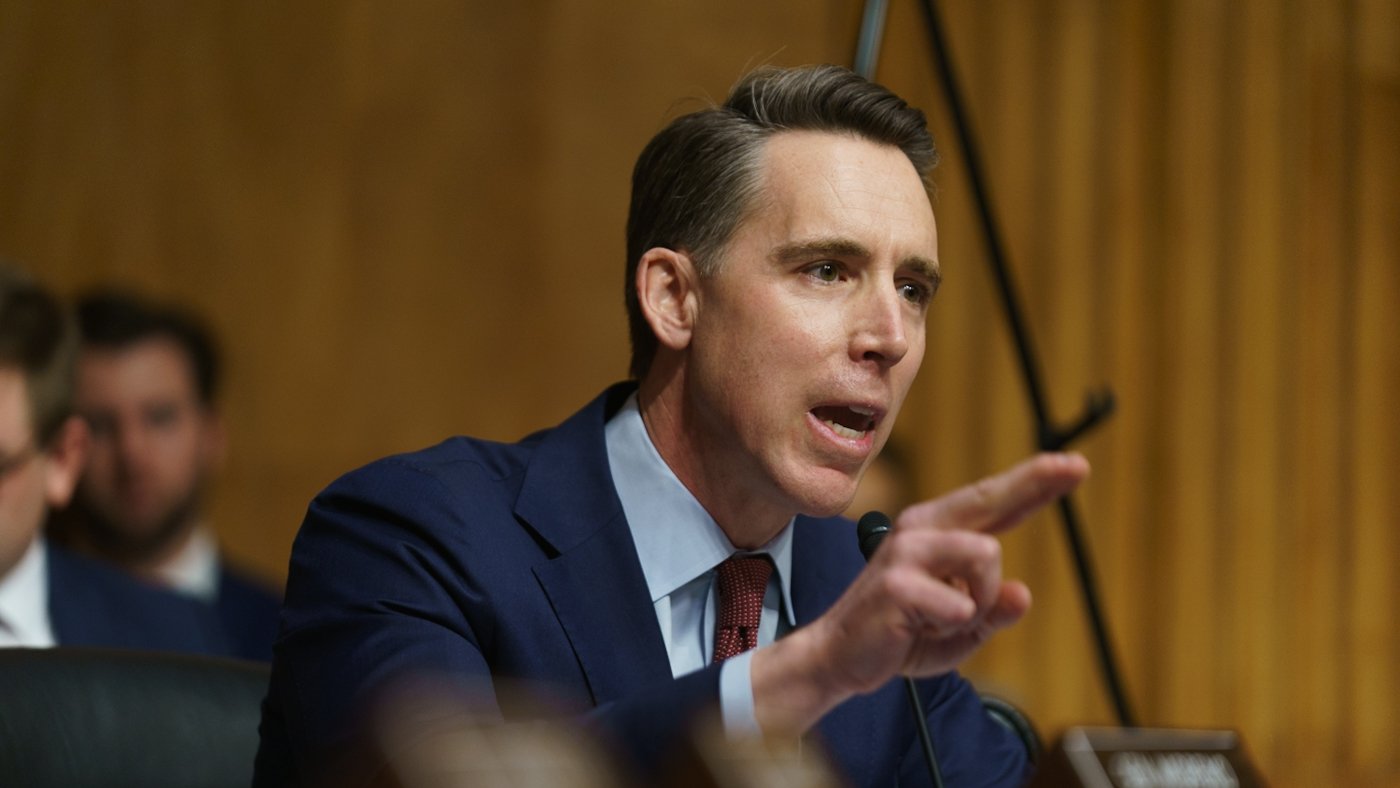
Legislation from Senator Josh Hawley (R-MO) to revoke federal approval for the abortion medication mifepristone is gathering Republican support in the Senate. The move signals a strategic pivot within the anti-abortion movement following the overturning of Roe v. Wade, focusing on interstate shipment of pharmaceutical abortion methods as a top policy target.
Building a Coalition
The bill, titled the Safeguarding Women from Chemical Abortion Act, has secured co-sponsorships from Senators John Cornyn (R-TX), Ted Budd (R-NC), and Marsha Blackburn (R-TN). Hawley's proposal would classify the distribution and labeling of mifepristone for abortion purposes as a violation of the Food, Drug, and Cosmetic Act, effectively nullifying its decades-old FDA clearance.

In a 'Dear Colleague' letter, Hawley framed the issue as one of safety and federal overreach. He argued that successive Democratic administrations have eroded safety protocols established when the drug was first approved in 2000, culminating in the FDA's approval of a generic version last October. "Mifepristone can now be shipped through the mail with the click of a button," Hawley wrote, warning that congressional inaction would leave "increasing numbers of American women to severe risks."
A Legal and Political Countermeasure
Hawley contends that the widespread availability of mifepristone via mail-order pharmacies has undermined the intent of the Supreme Court's 2022 Dobbs decision. He asserts that state-level abortion restrictions are being circumvented, rendering them ineffective. "This is the future of the life movement," Hawley told reporters. "Because right now it really doesn’t matter what you pass in the states... Abortions go up every year."
The legislation includes a provision creating a private right of action, allowing women who allege harm from the drug to sue manufacturers for damages. Hawley has sharply criticized the drug's producers, particularly Danco Laboratories, accusing them of profiting while being "not accountable to anybody." He claims "every pro-life group" has endorsed his bill.
At a recent Capitol Hill press conference, Hawley highlighted disputed health data, citing a study of 875,000 prescriptions that reported "serious health effects" in 11% of cases. This study, from the conservative Ethics and Public Policy Center, has been challenged by multiple fact-checkers. The FDA estimates the rate of serious adverse events at 0.5%, a figure supported by other research, including analyses from KFF.
The political landscape for such a bill remains complex. While it energizes the Republican base, it arrives amid other contentious debates, such as the legal challenges to federal health mandates. Hawley acknowledged he has not yet discussed scheduling a vote with Senate GOP leadership but insisted "we should vote on this bill."
The push reflects a broader tactical shift following the Dobbs ruling, moving the abortion debate from the courts back to Congress and state legislatures. It also unfolds as the Republican Party navigates other foreign and domestic policy pressures, from generational divides over foreign policy to economic concerns that have impacted broader political approval ratings.