President Donald Trump's management of two major international conflicts is being hampered by an absence of strategic patience and a reliance on unorthodox, private channels, according to national security analysts. This approach, characterized by impulsive public statements and backchannel diplomacy conducted by associates, is creating operational confusion and potentially weakening the U.S. negotiating position in both Ukraine and the ongoing confrontation with Iran.
Impulsive Actions Disrupt Military Planning
Frequent, emotionally-driven communications from the President, often disseminated via his Truth Social platform, have repeatedly disrupted military planning. This pattern has been observed over months in Ukraine and is now evident in the conflict with Iran, now in its fourth week. Analysts Jonathan Sweet and Mark Toth argue that such conduct is counterproductive to running effective military campaigns, instead serving to prolong or jeopardize them.

The core of the issue, they contend, is a failure to maintain consistent focus on the defined military end-states. While Trump publicly articulated a hardline goal for Iran—demanding "UNCONDITIONAL SURRENDER!" in a March 6 post—his subsequent actions have undercut that stance. Similarly, in Ukraine, pressure on President Volodymyr Zelensky to cede territory to Russia contradicts stated support for Ukrainian sovereignty.
Backchannel Gambits Raise Command Concerns
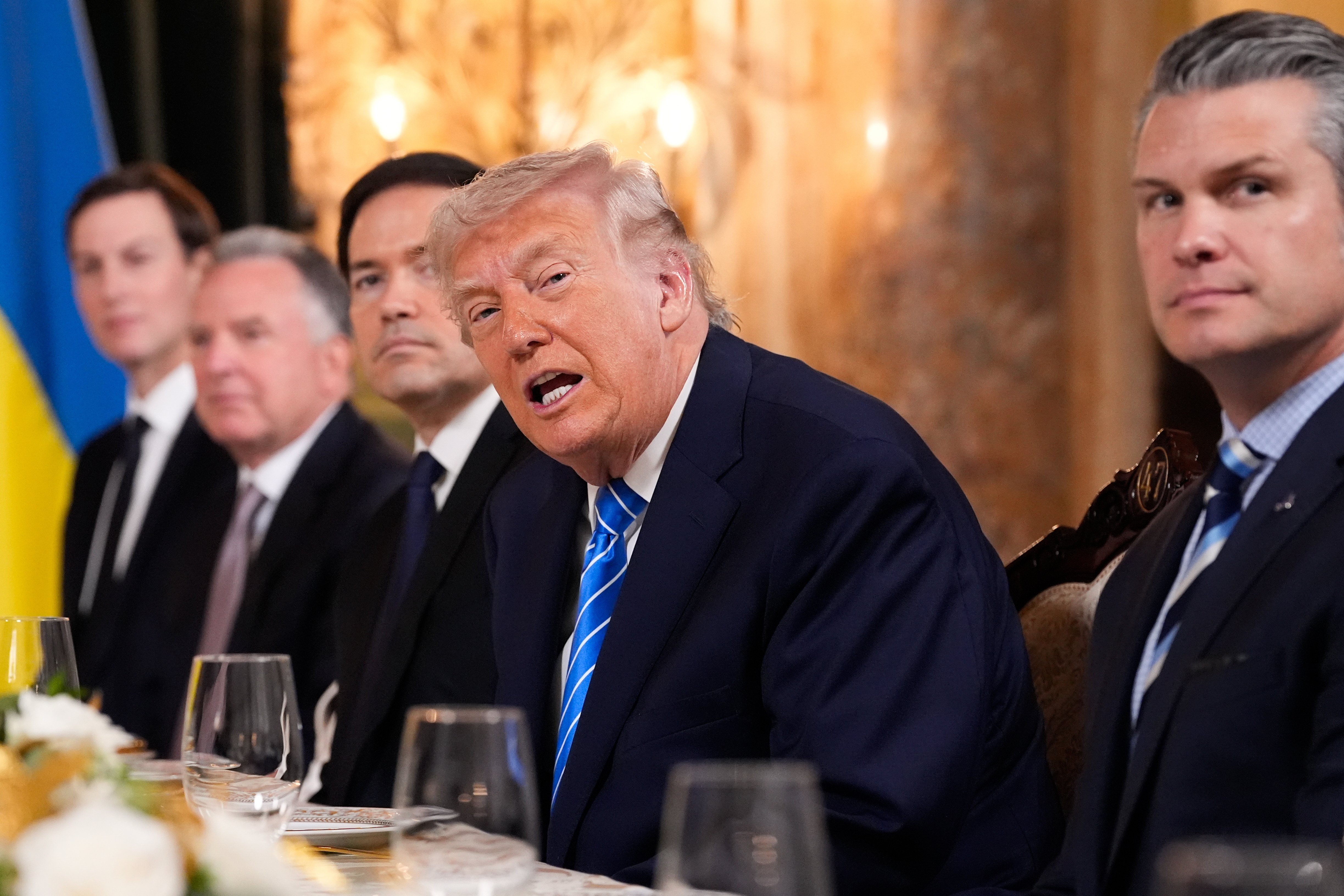
This strategic impatience has reportedly led Trump to employ private citizens as emissaries, bypassing formal diplomatic and military chains of command. According to reports from Axios and Al Mayadeen, real estate developer Steve Witkoff, at Trump's direction, reached out to Iran through Pakistani and regional intermediaries with a 15-point peace plan. This effort was coordinated with Trump's son-in-law, Jared Kushner, with few other administration officials aware.
The secrecy of this initiative raises serious questions about whether senior military leaders, including Chairman of the Joint Chiefs Gen. Dan Caine and U.S. Central Command's Adm. Brad Cooper, were kept informed. Such a scenario, analysts warn, is dangerously self-defeating, as it can leave enemy actors better informed than U.S. commanders. This dynamic is not new; Witkoff and Kushner have previously engaged in similar freelance diplomacy regarding Ukraine, with critics arguing their efforts have complicated the search for a stable resolution.
Iran's response to the latest overture was a flat rejection. Through its consulate in Mumbai, the regime dismissed a proposed 30-day ceasefire and issued its own demands, including a complete cessation of U.S. and Israeli operations, war reparations, continued rights to support proxy groups like Hamas and Hezbollah, and sovereignty over the strategic Strait of Hormuz.
A Call for Strategic Discipline
The analysts advocate for a "hard reset" in Trump's approach. They argue the primary objective must be unambiguous: total regime change in Tehran, which requires the destruction of the Islamic Revolutionary Guard Corps and Iran's military, nuclear, and missile capabilities. Achieving this, they state, necessitates disciplined execution by military and intelligence professionals, not private intermediaries.
The use of figures like Witkoff and Kushner, the piece concludes, projects an image of weakness and desperation to adversaries. Their involvement in Ukraine talks is seen as having contributed to a stalemate that benefits Russia, and a similar outcome in Iran would ensure the regime's survival. The President's recent acknowledgment that he has avoided formally declaring "war" on Iran to sidestep congressional oversight further highlights the unconventional and legally contentious nature of his strategy, a point underscored by ongoing scrutiny from lawmakers.
Ultimately, success in both theaters depends on Trump embracing strategic patience—allowing coordinated military and diplomatic efforts to pursue clear, enduring objectives. The conflicts in Ukraine and Iran, framed as parts of a broader struggle, require steady, institutional management rather than impulsive personal diplomacy. Until that shift occurs, the analysts warn, U.S. policy will remain prone to self-inflicted setbacks and tactical losses.