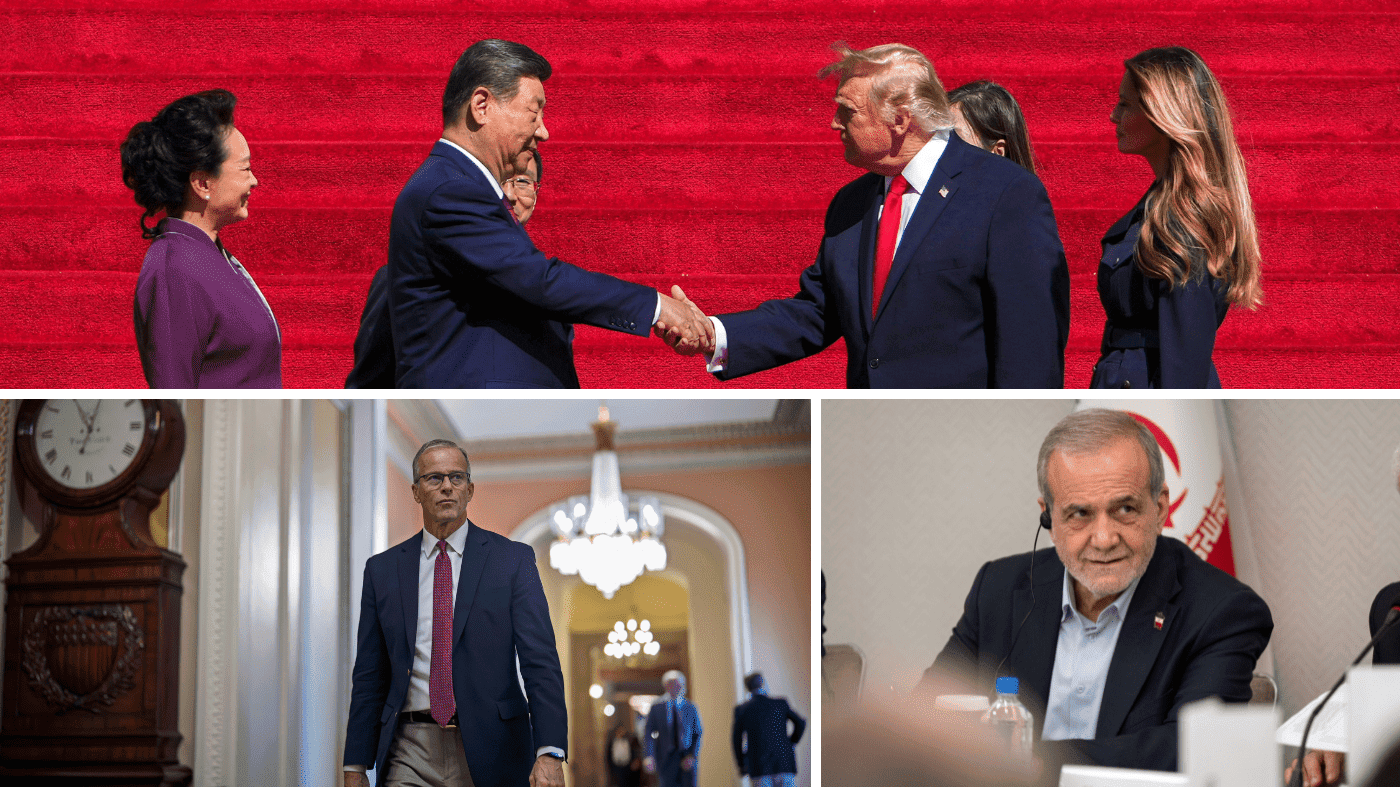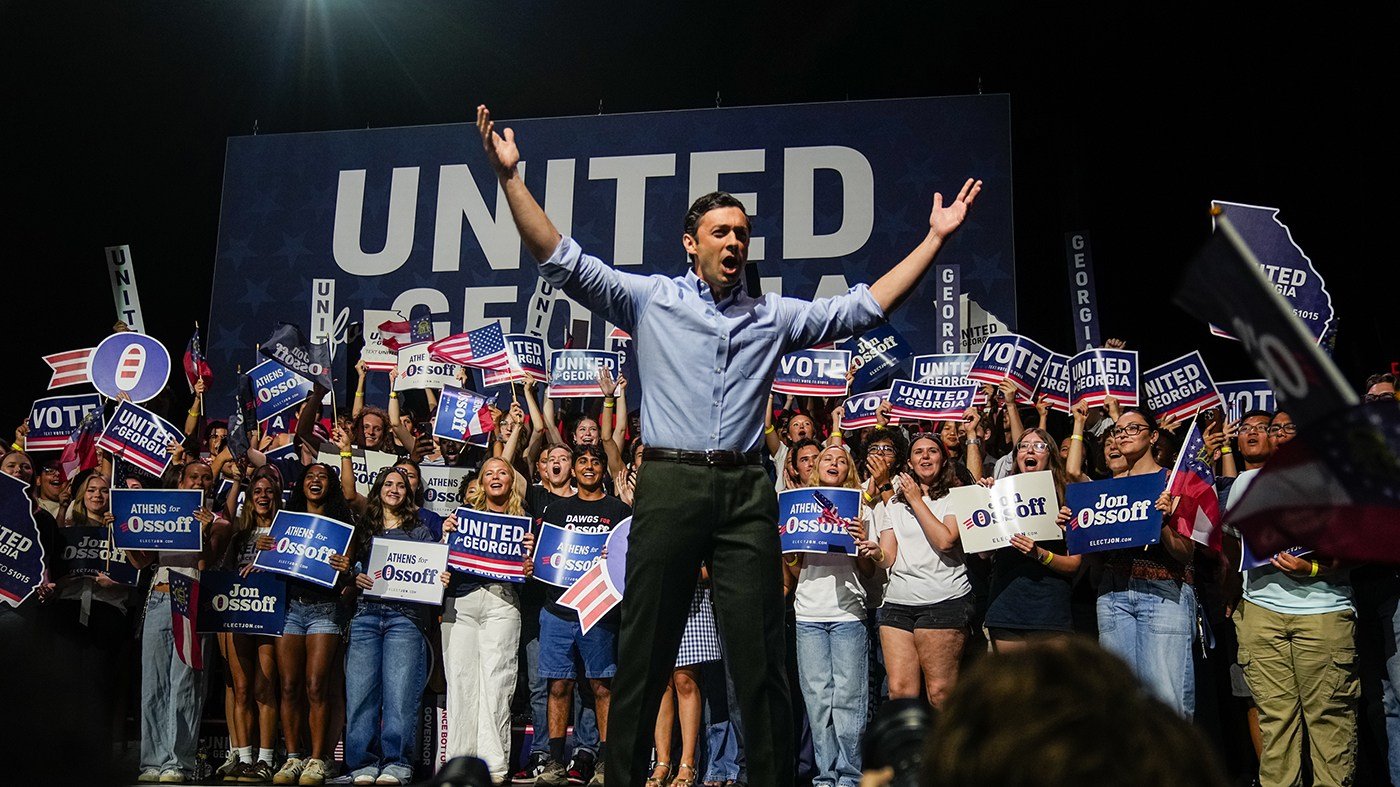
Escalating airport security delays across the United States are intensifying political pressure on both Republican and Democratic lawmakers to resolve the ongoing shutdown of the Department of Homeland Security. The operational strain has become increasingly visible to the traveling public, transforming airport concourses into political battlegrounds.
Security Checkpoints Become Political Pressure Points
Transportation Security Administration staffing shortages, driven by unpaid work during the budgetary impasse, have resulted in significantly extended wait times at security checkpoints from Atlanta to Los Angeles. This tangible consequence of the shutdown is forcing lawmakers to confront the direct impact of their standoff on national security infrastructure and civilian travel. The question dominating Washington corridors is which party faces greater political exposure as the crisis deepens.
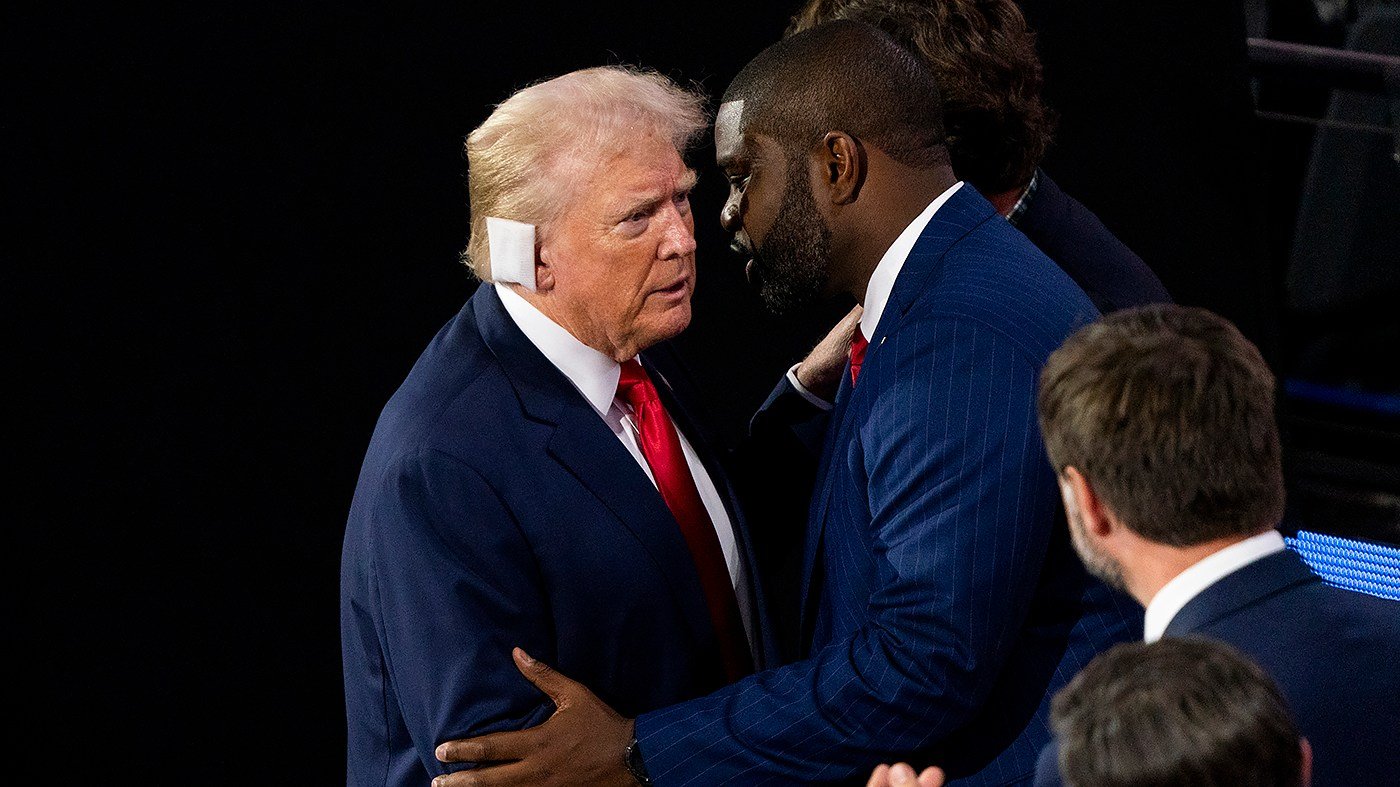
Senior DHS officials have warned that the shutdown is pushing critical agencies toward a dangerous tipping point, with absenteeism among unpaid TSA screeners reaching levels that threaten to cripple airport operations entirely. Some airports have already begun consolidating checkpoints, while others warn of potential terminal closures if the situation deteriorates further.
Internal Party Pressures Mount
The political calculus is shifting daily. While the White House maintains its public stance, President Trump recently convened his cabinet as the shutdown entered its sixth week, signaling concern over the compounding crises. Simultaneously, cracks are appearing in what was once solid Democratic opposition, as some members face constituent anger over travel disruptions and propose measures like financial bonuses for unpaid TSA personnel.
Republican unity is also being tested by the practical implications of the standoff. The party faces broader midterm electoral headwinds that could be exacerbated by a prolonged security crisis affecting millions of voters. The administration's decision to deploy ICE officers to supplement airport security has drawn criticism from both sides of the aisle, highlighting the ad hoc nature of current security measures.
The human cost of the impasse continues to grow. Approximately 55,000 TSA officers are working without pay, creating financial hardship that has led to increasing absenteeism as employees seek temporary work elsewhere. This exodus threatens to create longer-term security vulnerabilities even after funding is restored, as experienced personnel leave for more stable employment.
Broader Implications for Homeland Security
The DHS shutdown affects far more than airport security. Customs and Border Protection, Coast Guard operations, FEMA preparedness, and cybersecurity initiatives are all operating at reduced capacity. The compounding effect creates multiple points of vulnerability that adversaries could potentially exploit, according to intelligence briefings circulating on Capitol Hill.
As the political stalemate continues, The Hill's editorial leadership will host a live discussion examining these developments in depth. Editor-in-Chief Ian Swanson will be joined by congressional editor Regina Zilbermints, White House editor Rema Rahman, and defense and foreign policy editor Colin Meyn for analysis of the DHS shutdown, escalating tensions with Iran, and other pressing political developments. The session will include a question-and-answer period with participants.
The virtual event, scheduled for noon Eastern Time, requires advance registration. Participants will receive access details via email upon signing up. The discussion promises to deliver the sharp political analysis and insider perspective that characterizes The Hill's coverage of Washington's most consequential debates.