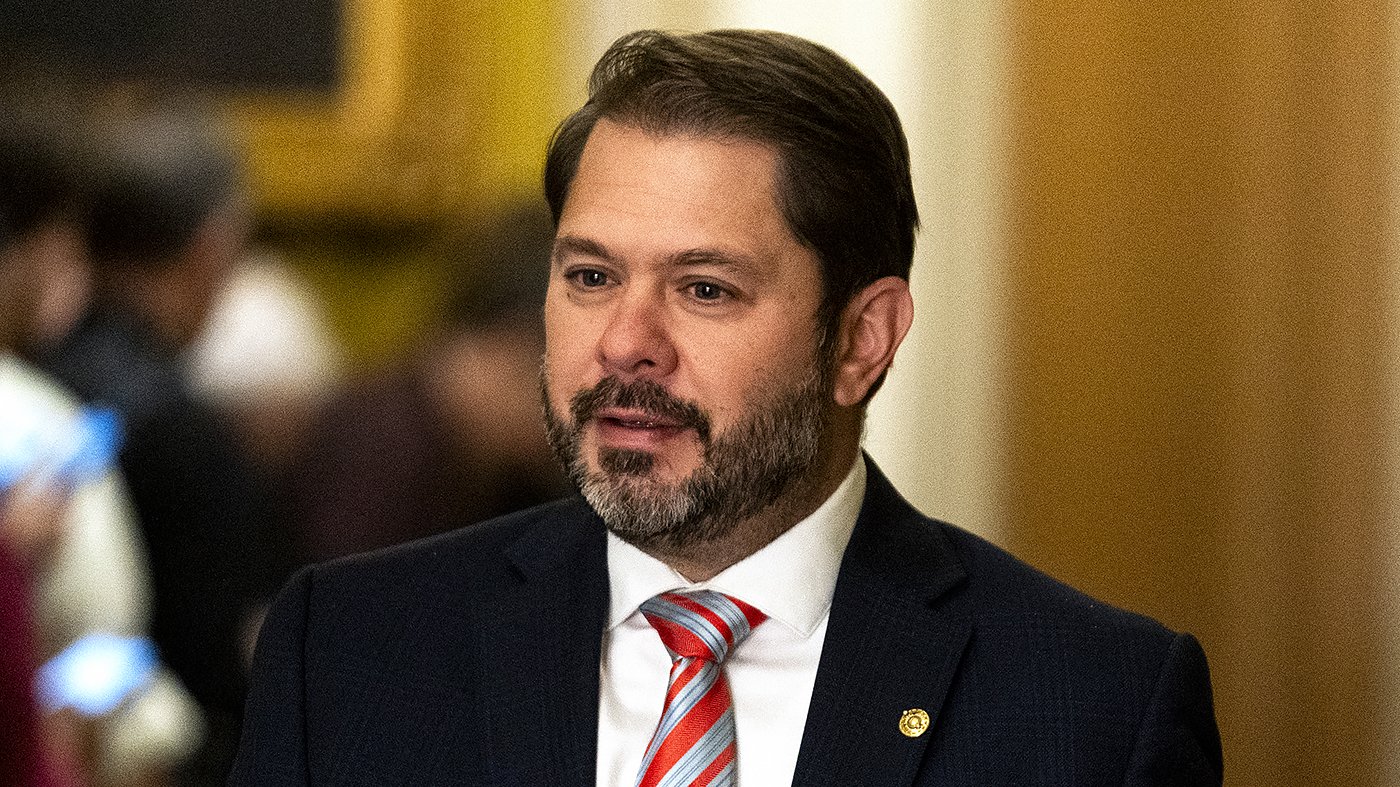
Senator Ruben Gallego, a Democrat from Arizona, introduced a bill on Tuesday that would mandate a one-time 10 percent bonus payment for Department of Homeland Security employees compelled to work without compensation during the recent government shutdown. The legislation specifically targets personnel, including over 61,000 Transportation Security Administration officers, who were deemed essential and forced to report for duty despite the funding impasse.
Targeted Relief Amid Political Standoff
The proposed bonus would be disbursed no later than one day after DHS funding is fully restored. Notably, the bill excludes many Immigration and Customs Enforcement officers, as their salaries continued to be funded through appropriations secured last summer. This distinction highlights the political fault lines in the broader DHS funding fight, which has centered on immigration enforcement policies.
"TSA agents have been showing up for weeks to keep our families safe, all while Republicans play politics with their livelihoods," Gallego stated. "They've blocked every effort to fund TSA and other DHS agencies, while ICE continues to get paid. These workers deserve recognition for their sacrifice." The shutdown, which began on February 14, has already caused essential DHS staff to miss one paycheck, with another scheduled to be missed this Friday absent a congressional compromise.
Mounting Operational Crisis
The financial strain is precipitating a staffing crisis within the TSA. Acting Administrator Ha McNeill informed the House Homeland Security Committee that approximately 460 officers have resigned since the shutdown started. Call-out rates for illness have surged to between 40 and 50 percent at several major airports. McNeill detailed that some employees are resorting to sleeping in their cars, selling blood plasma, or taking second jobs to survive.
This attrition and absenteeism, coinciding with the spring break travel surge, has created severe bottlenecks at security checkpoints, with wait times extending for hours at key hubs. In response, the administration deployed ICE officers to assist at 14 airports—a move criticized by TSA union officials as an ineffective "insult" and "waste of money" that fails to address the core staffing shortfall.
Legislative Gridlock and Broader Context
The shutdown stems from a deadlock over Democratic demands for immigration enforcement reforms, triggered by recent high-profile incidents involving federal officers. Senate Republicans have repeatedly blocked Democratic attempts to pass standalone funding bills for agencies like TSA, insisting on a comprehensive DHS package. This legislative paralysis mirrors broader congressional stalemates on other critical issues, where partisan divides halt progress.
The situation has attracted attention beyond Capitol Hill. Billionaire Elon Musk publicly offered to cover TSA salaries, though the legality and mechanics of such a private intervention remain unclear. The political ramifications are significant, as the handling of the shutdown could influence public sentiment ahead of future elections, where Democrats currently hold an advantage in generic congressional polling.
Gallego's bonus bill represents one legislative approach to addressing the immediate fallout for federal workers. However, it faces uncertain prospects in a divided Congress. The ongoing crisis underscores the human and operational costs of budgetary brinkmanship, with frontline security personnel bearing the brunt of the political impasse. As the TSA has previously warned, sustained staffing losses threaten not only daily operations but also preparedness for major upcoming security challenges.