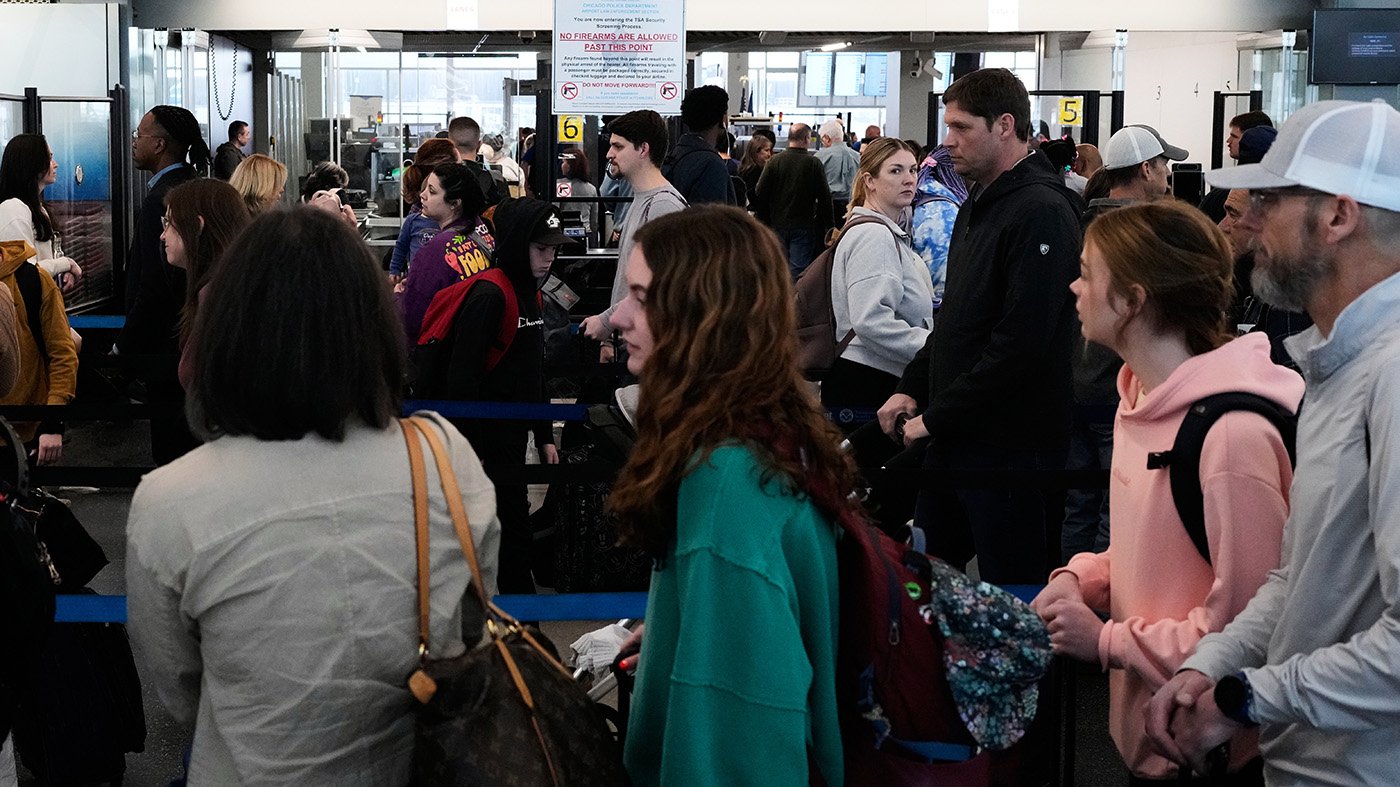
The Transportation Security Administration faces an operational crisis that could shutter smaller airports and undermine security preparations for major international events, the agency's top official warned lawmakers on Wednesday. Testifying before the House Homeland Security Committee, Acting Administrator Ha Nguyen McNeill said the ongoing partial government shutdown has triggered an exodus of personnel that the agency cannot quickly replace.
Staffing Collapse Under Funding Impasse
McNeill revealed that 460 Transportation Security Officers have resigned since the Department of Homeland Security's funding expired on February 14. This follows more than 1,100 departures during the 2025 shutdown, creating what she described as "the highest wait times in TSA history." The attrition, combined with increasing unscheduled absences, has pushed the agency toward what she called "a fluid, challenging and unpredictable situation."

"We are being forced to consolidate lanes and may have to close smaller airports if we do not have enough officers," McNeill stated in her opening remarks. The situation echoes broader travel disruptions linked to the DHS funding standoff that has paralyzed key security functions.
Airport Operations in Jeopardy
When pressed on whether airports face actual closures, McNeill offered a stark assessment. "As the shutdown drags on and we see increases in call-out rates, we'll have to make real-time decisions on how we operate," she explained. "For example, we have many small airports that operate one or two lanes, and a few call-outs could really severely impact our ability to run the operations."
She confirmed the worst-case scenario: "In those scenarios, we would not be able to open the checkpoint at the airport." This operational fragility comes as congressional leaders remain deadlocked, with some urging the Senate to cancel its recess to address the funding crisis.
World Cup Security "Dire" Without Resolution
The staffing crisis carries particularly severe implications for the 2026 FIFA World Cup, scheduled from June 11 to July 19 across 16 North American cities, including 11 U.S. locations. McNeill warned that high attrition will have "dire" consequences for the country's ability to secure the event, which is expected to bring 6 to 10 million additional air travelers this summer.
"As the shutdown drags on, we fear we will continue to lose talented and experienced employees to other jobs that can provide a steady paycheck," McNeill testified. She noted the agency lacks sufficient time to train replacements, as new hires require four to six months of certification before working checkpoints. "At this point, newly hired officers will not be able to work on the checkpoint until well after the 2026 FIFA World Cup," she stated.
A "Perfect Storm" of Security Risks
McNeill framed the challenge as a convergence of systemic failures. "This is a dire situation," she concluded. "We are facing a potential perfect storm of severe staffing shortages and an influx of millions of passengers at our airports for the World Cup games in less than 80 days." The warning highlights how domestic political disputes can directly impact international event security and global perceptions of U.S. preparedness.
The testimony underscores the tangible consequences of the funding stalemate, moving beyond political rhetoric to operational reality. With the World Cup drawing international attention and scrutiny, the TSA's capacity crisis represents both a national security concern and a potential embarrassment on the world stage. The situation remains fluid, with agency leadership forced to make day-by-day decisions about airport operations while Congress remains gridlocked.