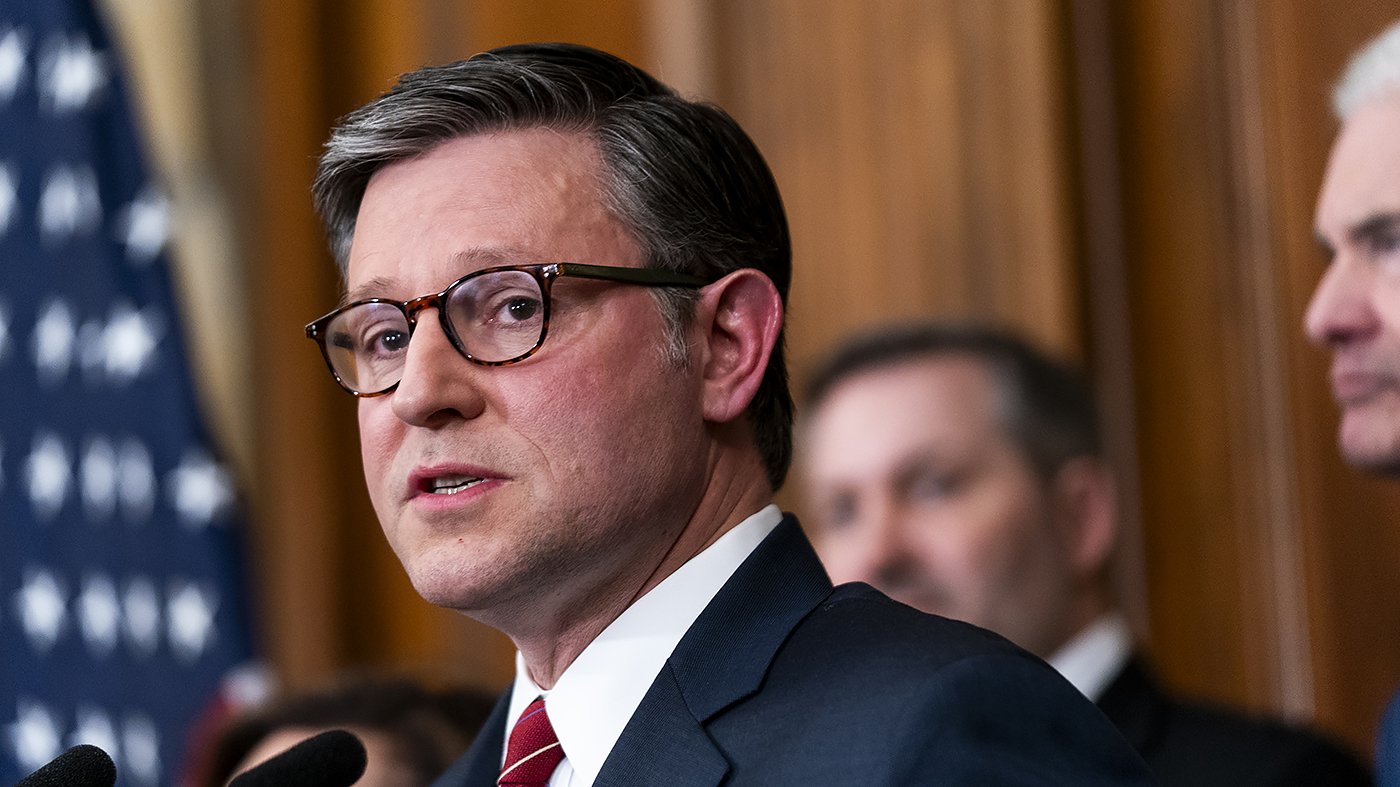
House Republican leadership, led by Speaker Mike Johnson (R-La.), is set to address the ongoing budgetary crisis at the Department of Homeland Security on Wednesday morning. The press conference comes as the agency's funding remains unresolved, creating operational chaos that is now directly impacting American travelers.
The political deadlock has triggered a staffing emergency within the Transportation Security Administration. A wave of callouts and resignations among TSA officers, who are working without pay during the funding lapse, has resulted in lengthening security lines and significant delays at airports across the country. The situation has grown so severe that some airlines have reportedly suspended travel benefits for members of Congress.
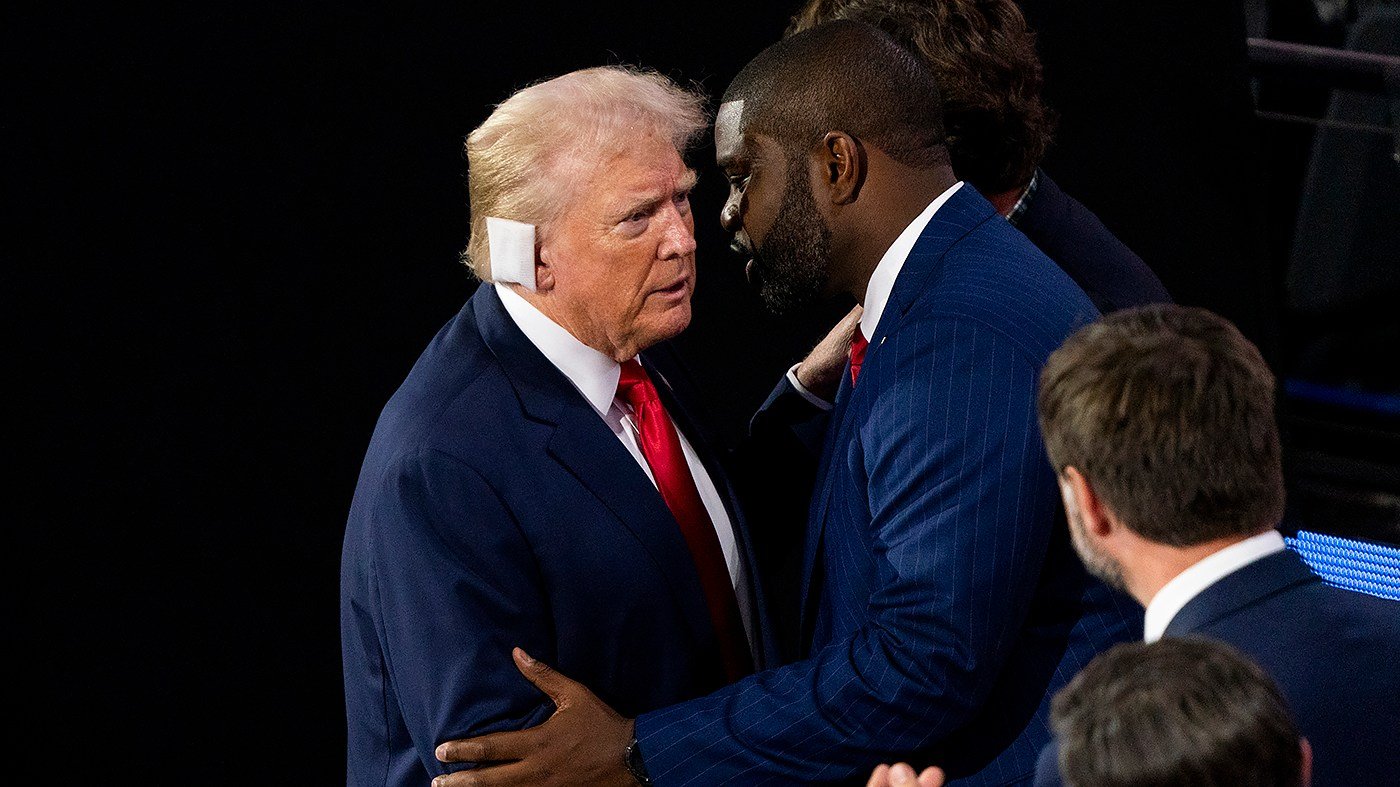
Despite the mounting travel disruptions, House Republicans are maintaining their position against a Senate-backed proposal to separate funding for DHS agencies. The White House and Senate Republicans have signaled that President Trump is open to dividing the legislation, which would allow non-immigration enforcement components like TSA and the Federal Emergency Management Agency to be funded independently. This approach faces stiff resistance from House GOP leaders who insist on a comprehensive funding package.
Speaker Johnson reiterated this stance on Tuesday, stating, "I can tell you, the House has funded DHS twice. We're prepared to do it again. Completely fund the entire department. That is the responsible way to do this thing." His comments underscore the deep partisan divide that has prolonged the shutdown, a situation detailed in recent hearings where DHS officials outlined the worsening consequences of the impasse.
The administration's response to the TSA staffing crisis has included controversial measures, such as deploying Immigration and Customs Enforcement agents to assist at major airports. This move has been sharply criticized by TSA union officials, who argue it is an ineffective stopgap that does not address the core pay issue for security screeners. Union leaders have blasted the ICE deployments as a political distraction from the failure to secure agency funding.
The broader funding fight reflects a persistent bipartisan resistance to a clean resolution. While both parties have floated proposals, none have garnered sufficient support to end the stalemate. The standoff has now become one of the longest in recent history, creating uncertainty for hundreds of thousands of federal employees and the agencies they operate.
Wednesday's remarks from Speaker Johnson and his leadership team, scheduled for 10 a.m. EDT, are unlikely to present a new legislative path forward. Instead, they are expected to reinforce the House Republican conference's unified demand for a full DHS appropriations bill, despite the operational breakdowns occurring at airports and within other critical homeland security functions.
The political maneuvering continues as the tangible effects of the shutdown intensify. The travel delays serve as a public-facing symptom of the wider budgetary failure, putting pressure on lawmakers from both parties to find a compromise. However, with entrenched positions on all sides, the prospect of a swift resolution appears dim, promising further disruption for the traveling public and continued financial strain for federal workers.