House Leadership Stands Firm Against Fragmented Homeland Security Funding
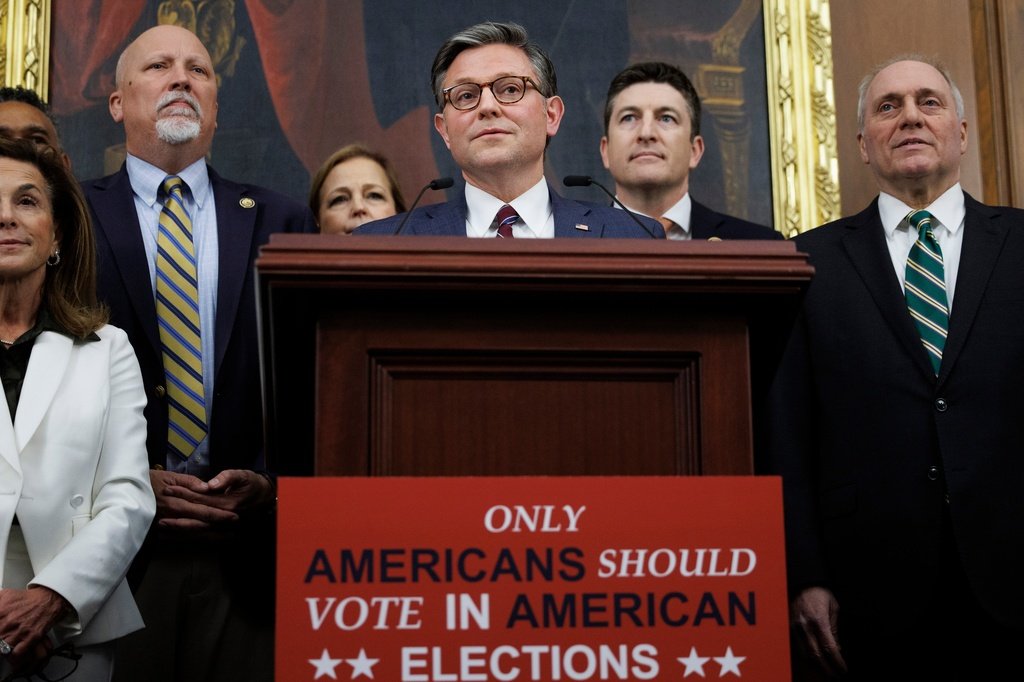
House Speaker Mike Johnson expressed strong opposition Tuesday to a developing Senate Republican proposal that would separate funding for Immigration and Customs Enforcement removal operations from the broader Department of Homeland Security appropriations bill. Johnson told reporters it is "not my preference" to break apart the DHS funding package, emphasizing the House has already passed complete funding measures twice and is prepared to do so again.
The Senate GOP plan, still in preliminary stages, would utilize the budget reconciliation process to fund ICE's emergency removal operations—which constitute more than half of the agency's budget—alongside select provisions from the Safeguard American Voter Eligibility Act. This procedural maneuver would allow Republicans to bypass the Senate's 60-vote filibuster threshold if they maintain party unity. However, Johnson dismissed the approach, stating, "That is the responsible way to do this thing. So, we've been very resistant to any idea to break it apart."
The Speaker acknowledged he hasn't reviewed the Senate proposal's specifics but reiterated the House position. This stance represents a significant point of contention within Republican ranks, as some senior figures have pushed for alternative funding mechanisms to address immigration enforcement priorities.
Shutdown Enters Sixth Week Amid ICE Reform Demands
The Department of Homeland Security has now operated under a funding lapse for over five weeks, with Democrats demanding substantial reforms to ICE and Customs and Border Protection following the deaths of two U.S. citizens in Minnesota involving federal agents. The House is scheduled to consider a third full DHS funding measure this week, though previous versions have been rejected by Senate Democrats.
House Majority Leader Steve Scalise reinforced Johnson's position, noting, "That's been our position from the beginning. And obviously, we've had votes to do just that. So, anything short of that, we'd need to see the details obviously, talk to the White House about the implications." The Louisiana Republican's comments highlight the procedural challenges facing any fragmented approach.
Former President Donald Trump offered ambiguous remarks when questioned about the Senate proposal, stating, "Well, I don't want to comment until I see the deal, but as you know, they're negotiating a deal. I guess they're getting fairly close, but I think any deal they make, I'm pretty much not happy with it." This lukewarm response contrasts with White House suggestions that Trump supported the approach, creating further uncertainty about the plan's viability.
Democratic Opposition and Counterproposals
Senate Minority Leader Chuck Schumer outright rejected the Republican proposal Tuesday, telling reporters he would present a counteroffer that maintains Democratic demands for ICE reforms. Schumer emphasized his party would continue insisting on measures to "rein in" the immigration enforcement agency, reflecting ongoing deep partisan divisions over immigration policy and agency oversight.
The reconciliation process itself presents complications, as it requires legislation to meet specific budgetary requirements and would need to originate in the House if pursued. This creates a procedural hurdle given Johnson's stated opposition to separating DHS components. The Speaker's resistance suggests the House may continue pushing comprehensive funding bills despite Senate Democratic objections.
As the impasse continues, the partial DHS shutdown affects numerous agencies including the Transportation Security Administration, though essential operations continue through various funding mechanisms. The standoff represents one of several contentious funding battles playing out in Congress, alongside debates over military appropriations and foreign policy priorities that have divided Republican factions.
The coming days will test whether Senate Republicans can develop a proposal that gains traction in the House or if Johnson's insistence on comprehensive funding prevails. With Democrats maintaining reform demands and Republicans divided on strategy, the path to resolving the DHS funding lapse remains uncertain as agency operations continue under temporary measures.