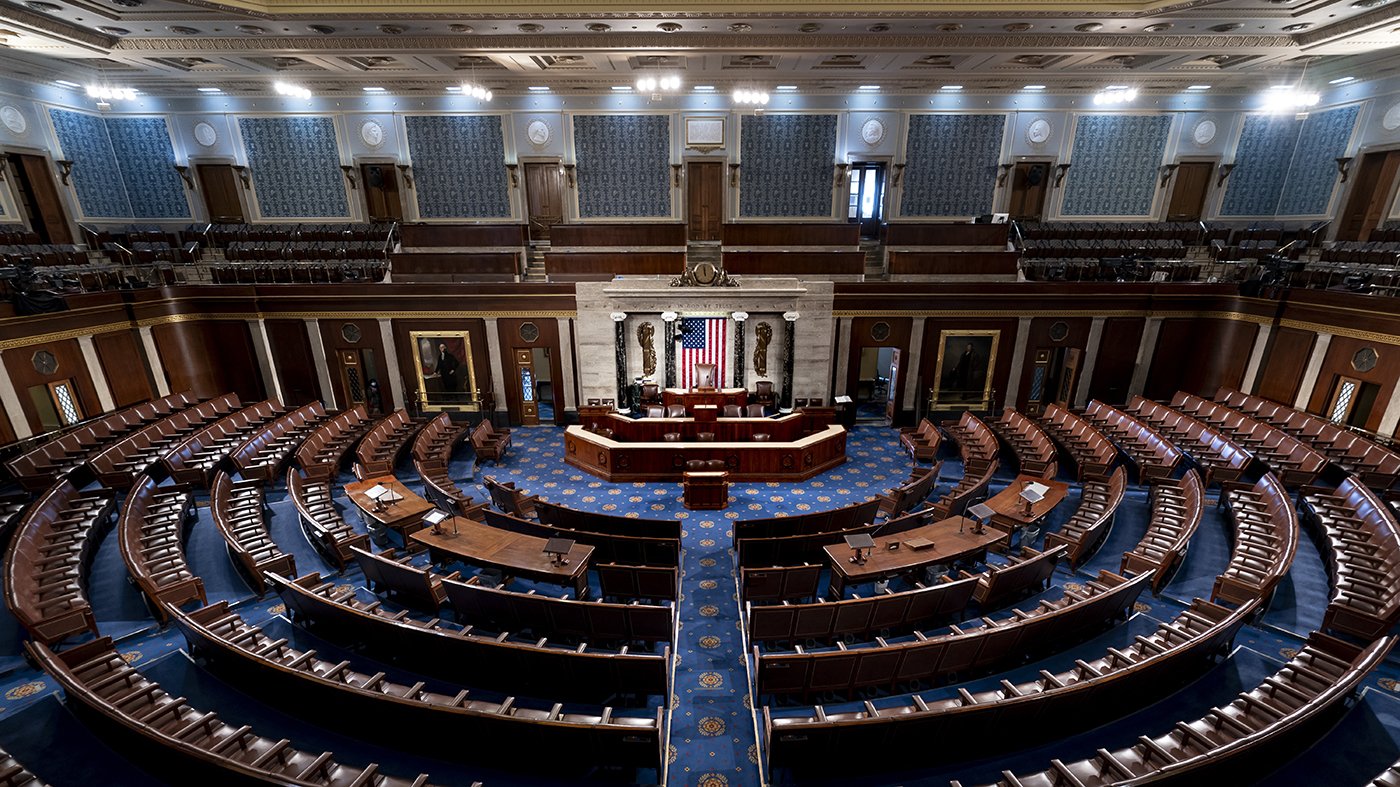
A new national survey reveals a significant preference among American voters for Democratic control of the House of Representatives, presenting a challenging electoral landscape for Republicans heading toward the November midterms. According to a Quinnipiac University poll, 51 percent of registered voters want Democrats to win back the chamber, while 40 percent hope it remains under Republican leadership. Nine percent of respondents were unsure or declined to answer.
Independent Voters Lean Heavily Democratic
The poll's findings are particularly stark among independent voters, a crucial swing bloc. Fifty-seven percent of independents expressed a desire for a Democratic House, compared to just 26 percent who favored continued Republican control. Seventeen percent of independents were undecided or gave no response, indicating a substantial pool of voters potentially still in play but currently leaning against the GOP.
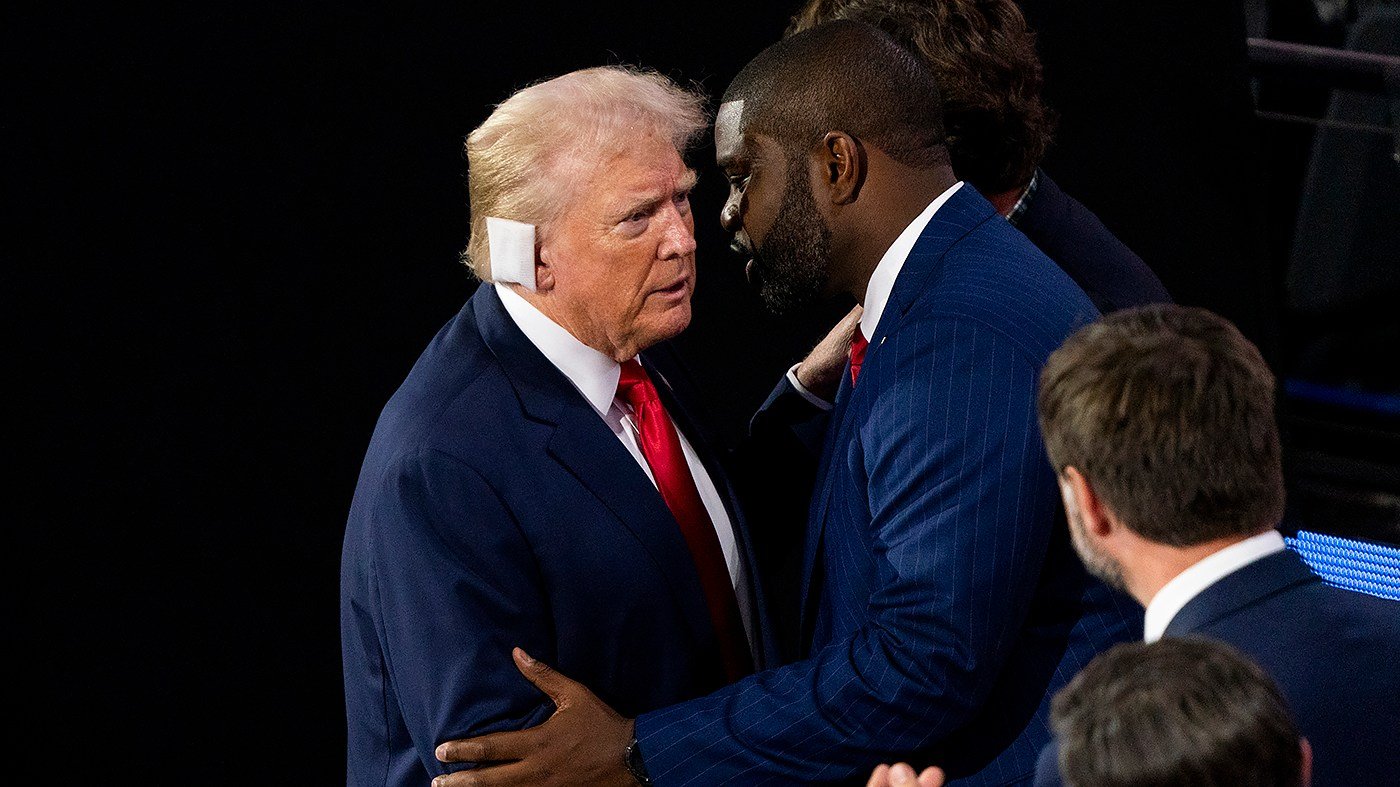
This voter sentiment arrives as Republicans confront a series of political obstacles. President Trump's job approval rating remains a net negative, with the same Quinnipiac poll showing only 38 percent approval against 56 percent disapproval. Furthermore, recent Democratic electoral successes in traditionally Republican areas have signaled potential vulnerability. This includes a recent flip of two Florida state legislative seats in districts Trump carried, underscoring a shifting dynamic in key battlegrounds.
Florida Redistricting Becomes a Flashpoint
The political battle over redistricting intensified this week following a Democratic victory in a Florida special election. House Minority Leader Hakeem Jeffries (D-N.Y.) seized on the result to issue a stark warning to Republicans. "Democrats FLIPPED a state House seat in Palm Beach that Trump won by 11 points in 2024. Mar-a-Lago will now be represented by Emily Gregory, a strong Democratic voice," Jeffries wrote on the social platform X. He added a direct threat regarding ongoing redistricting efforts: "We will crush House Republicans in November if DeSantis tries to gerrymander the Florida congressional map."
Florida Governor Ron DeSantis (R) has pushed for a special legislative session next month focused on congressional redistricting, a move Democrats argue is a partisan power grab. The special election result, detailed in our coverage of the Florida special election where Democrats targeted Trump's Mar-a-Lago district, has emboldened the minority party's rhetoric and strategy.
Broader Political Context Weighs on GOP
Beyond domestic politics, international affairs may also be influencing voter attitudes. The ongoing conflict with Iran has proven unpopular with the American public, with a majority viewing recent U.S. military action as excessive. Iran's own demands, including seeking control of the Strait of Hormuz among conditions to end regional hostilities, present a complex foreign policy challenge that could further impact the political climate.
Domestically, policy battles continue on issues like healthcare, where a bipartisan Senate group has proposed a $35 cap on insulin for privately insured Americans, and homeland security funding, which remains contentious as Democrats recently rejected a GOP funding plan over ICE reform demands.
The Quinnipiac University poll was conducted from March 19 to 23, surveying 1,191 self-identified registered voters nationwide. It carries a margin of error of plus or minus 3.6 percentage points. As both parties digest these numbers, the data suggests Democrats are entering the core of the election cycle with measurable advantage in voter preference for control of Congress, though the political environment remains volatile.