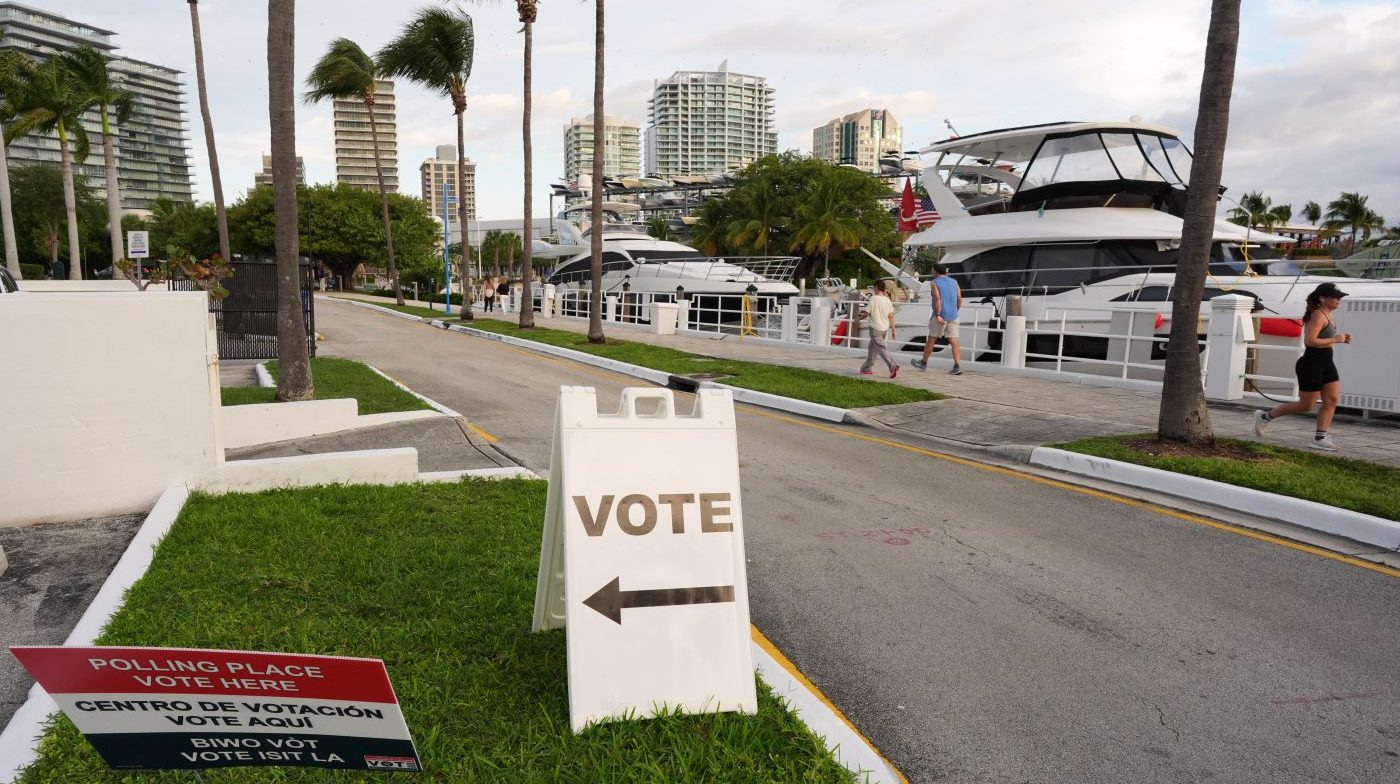
Florida Democrats secured a significant morale boost this week, winning two special elections for state legislature seats in districts that had voted for former President Donald Trump. The victories mark a notable break in the party's recent electoral struggles within the state and provide tangible momentum as national Democrats aim to make gains in traditionally Republican areas ahead of the November elections.
Strategic Upsets in Trump Territory
The party captured a Florida House seat encompassing Trump's Mar-a-Lago resort in Palm Beach County, as well as a state Senate seat in the Tampa region. These were not marginal territories; Trump had won the House district by 11 points and the Senate district by 9 points in the previous presidential election. Flipping these seats required overcoming substantial Republican voter advantages.
For Florida Democrats, the wins carry deep symbolic and strategic weight. The party has endured a series of demoralizing defeats at the state and federal level over recent cycles, watching the once-purple state trend decisively red. These results offer the first clear signal that a reversal may be possible, however incremental. The success also helps sustain national Democratic energy focused on recapturing the U.S. House of Representatives, where every seat will be critical.
The Winning Candidates
The victories were delivered by two specific candidates whose campaigns resonated locally. Emily Gregory secured the House seat in the Mar-a-Lago district, a symbolic triumph for Democrats. Meanwhile, in the Tampa area, Brian Nathan won the state Senate race in an upset that will reshape the local political landscape. These wins demonstrate that with targeted effort, Democrats can compete even in areas where Trump remains popular.
The outcomes will inevitably fuel internal Democratic debates about strategy and resource allocation. Some party leaders, like California Governor Gavin Newsom, have recently argued that Democrats must get more aggressive in their political tactics. These Florida results may be cited as evidence that a more confrontational and locally focused approach can yield dividends in challenging environments.
Broader Political Context
The elections occurred against a backdrop of intense national political maneuvering. The Republican Party, while facing this setback in Florida, is engaged in other contentious battles, including a fight over Homeland Security funding and immigration policy. Furthermore, the state's politically potent exile communities continue to advocate for hardline foreign policy, as seen when activists demanded regime change in Cuba and Venezuela at a recent pro-Trump summit.
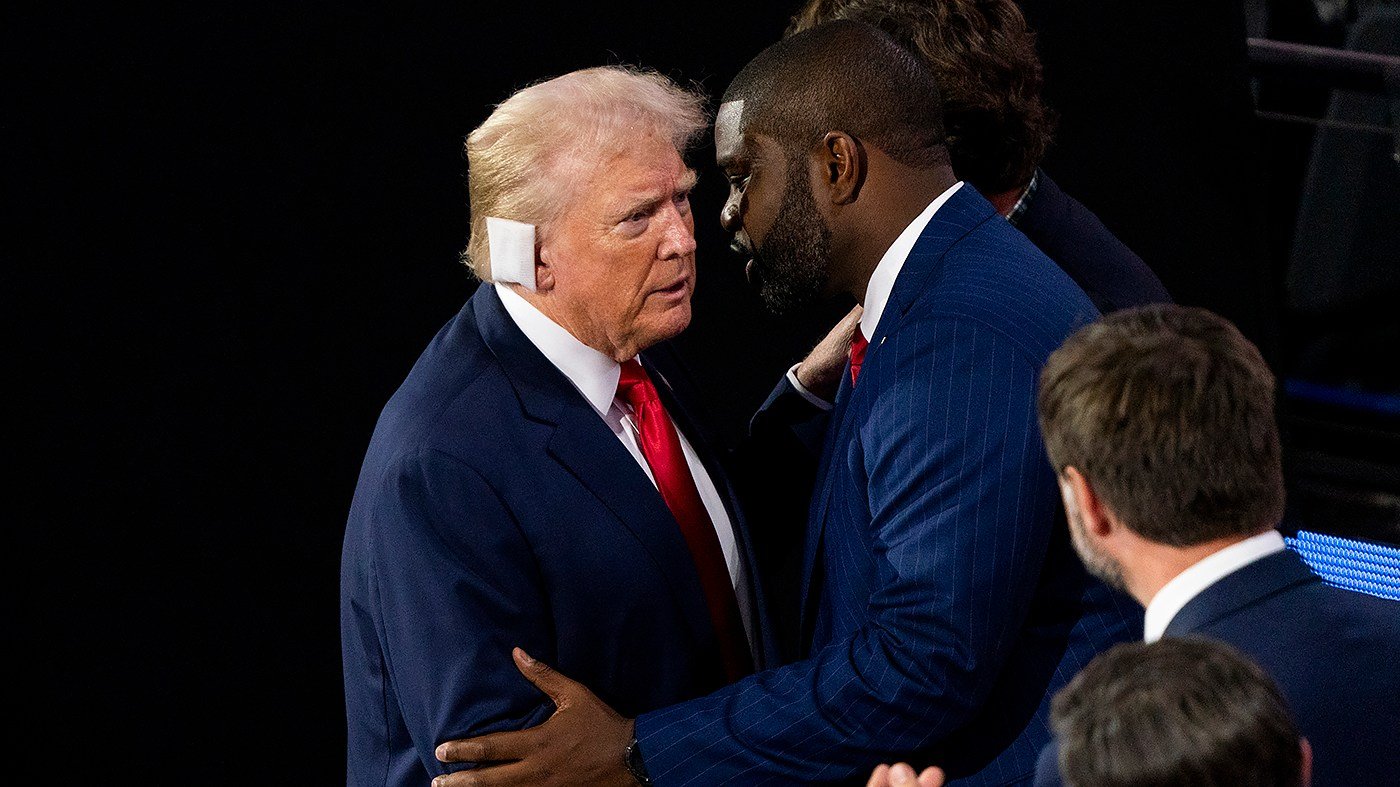
For the GOP, the losses will prompt scrutiny. They come as former President Trump remains deeply involved in endorsing candidates, having recently made a preemptive endorsement for another Florida congressional seat. The results suggest that Trump's coattails in his home state are not impervious, even as he dominates the national Republican primary.
Looking ahead, these special election wins provide Florida Democrats with a much-needed blueprint. They prove the party can mobilize voters in specific, winnable races even within a challenging statewide climate. The key takeaway is that Florida, while leaning Republican, is not entirely out of reach for Democrats who run disciplined, localized campaigns. This will influence where the national party invests time and money as the 2024 election cycle intensifies.