Hardline pro-democracy activists from Venezuela and Cuba intensified calls for regime change during a significant gathering of Trump supporters in South Florida last week. The event highlighted a strategic tension within the administration, which appears to favor negotiating with existing authoritarian leaders over pushing for immediate liberalization or supporting opposition movements for new leadership.
Conference Sets Stage for Hemisphere Strategy
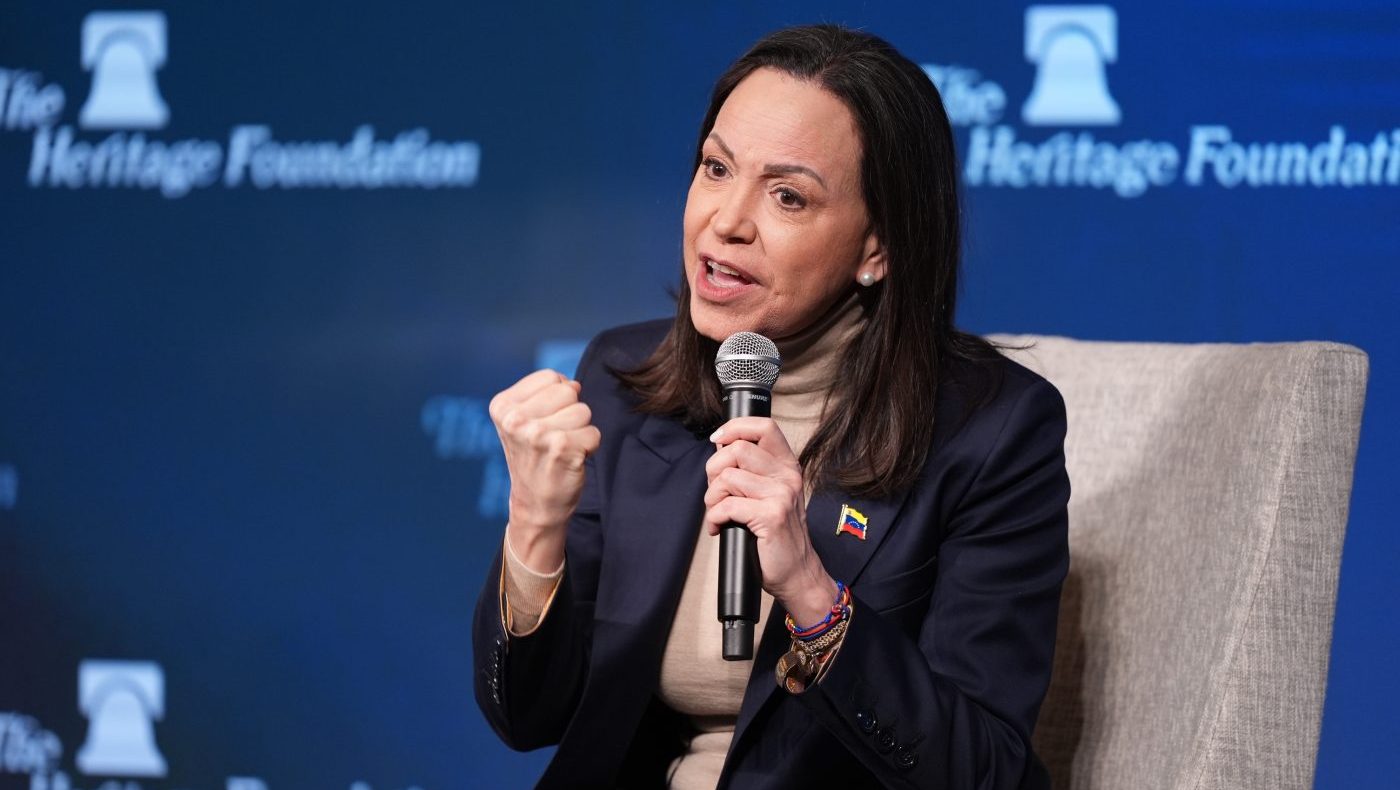
The appeals were made at the inaugural Miami Security Conference, organized by the Heritage Foundation, the influential Washington think tank that has consistently aligned itself with President Trump's domestic and foreign policy agenda. The conference, held at the president's Doral golf resort from March 18-20, focused squarely on the administration's efforts to reassert U.S. dominance in the Western Hemisphere, with Venezuela and Cuba as central case studies.
Heritage has backed several of the administration's recent aggressive moves, including military actions against suspected drug traffickers in the Caribbean, the January operation that captured Venezuelan President Nicolas Maduro, and an ongoing fuel blockade against Cuba designed to pressure its government.
Cuba: A Regime Under Mounting Pressure
The situation in Cuba was framed as the most urgent. The island nation has suffered multiple major blackouts this month, pushing hospital services to their limit and creating severe fuel shortages that have hampered humanitarian aid delivery. President Trump has publicly discussed a "friendly takeover" of Cuba and delegated lead diplomatic efforts to Secretary of State Marco Rubio. However, the administration's specific demands remain unclear, leaving open whether it seeks complete political transformation or merely concessions from the ruling Communist Party, including from 94-year-old Raúl Castro.
Rep. Maria Elvira Salazar (R-Fla.), speaking on a panel, characterized Washington's dialogue with Havana as focused solely on planning the Castros' exit. "We're not negotiating," she stated. "All we're doing is that we're trying to send the message to the Castros: why don't you tell me what's your plan of leaving?... There's no way that in the Cuba example, a Castro can stay in power."
Prominent exiled Cuban opposition leader Jose Daniel Ferrer has previously called for a military operation against Havana similar to the one that captured Maduro. Meanwhile, Orlando Gutiérrez Boronat of the Assembly of the Cuban Resistance suggested a transition could involve mid-level officials from the existing military and police, requiring only changes at the very top. "My hope is taking Cuba from an atheist totalitarian regime to a nation that recovers its Christian tradition," he added.
Venezuela: Warnings Against Complacency
While Cuba dominates immediate concerns, activists warned against losing focus on Venezuela. Pedro Urruchurtu Noselli, an advisor to opposition leader Maria Corina Machado, cautioned that the Maduro regime is adept at buying time and adapting its tactics. "They learn from the Cuban regime a lot," he said. "We need to be clear that of course they will try to adapt, and try to be pro-American when all of us know that they hate the United States historically... that's why we think the US government pressure is important."
President Trump has thrown his support behind interim President Delcy Rodriguez, Maduro's former deputy, and has reportedly warned Machado against returning to Venezuela for her own safety. A senior advisor in Machado's Washington office, David Smolansky, countered that "she is a woman of her word and she said she will go back to Venezuela," with her team determining the optimal timing.
Military Readiness and Diplomatic Lead
Joseph Humire, a senior Pentagon official, told conference attendees that the Defense Department—which he referred to as the "Department of War"—stands ready to support at the president's direction, but that the White House is currently leading with diplomacy. "I expect to see these conversations go to a productive place. For the Department of War, we stand by ready to support," Humire said. He described the administration as "laser" focused on stabilization in Venezuela before any political transition, noting that the timing for such a shift would be determined by Trump and Rubio.
The conference underscored a broader foreign policy landscape where the administration is juggling multiple international crises. This focus on hemispheric strategy comes as the President has declared victory over Iran following recent conflicts, a move that has drawn criticism and may be impacting his political standing, as his approval ratings have faced downward pressure. Furthermore, the administration's hardline stance is playing out against a domestic political backdrop where Democrats recently captured a House seat in Florida, signaling potential electoral challenges even in politically favorable territory.