Governor Delivers Psychological Analysis Amid Political Feud
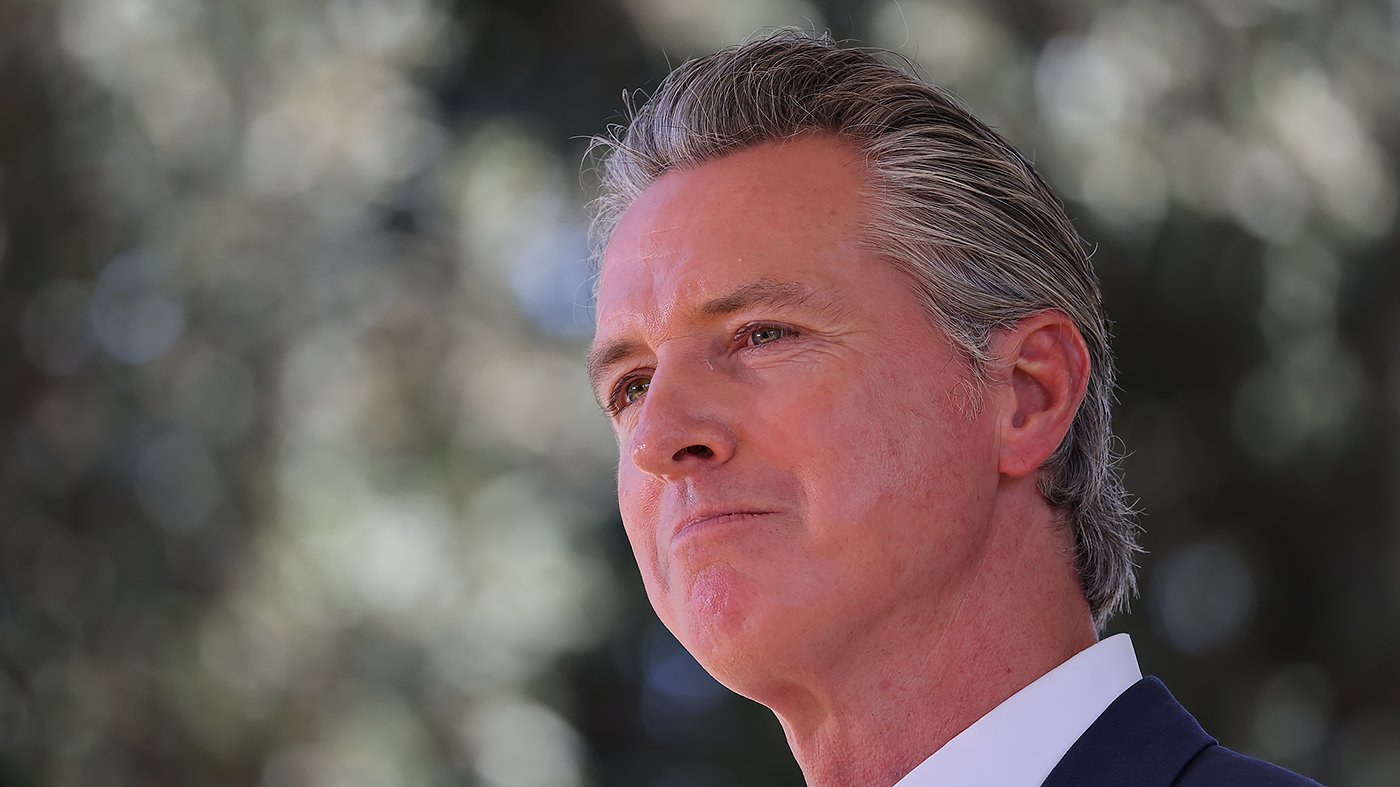
California Governor Gavin Newsom leveled a characteristically barbed critique at former President Donald Trump during a recent podcast interview, framing the Republican leader's political behavior as driven by a deep-seated psychological need for validation. Speaking with Politico's Jonathan Martin, the Democratic governor described what he called Trump's fundamental desire "to be needed" and "to be loved," offering the analysis with deliberate irony.
Davos Confrontation Recalled
Newsom recounted a tense exchange with Trump at the World Economic Forum in Davos earlier this year, where the former president reportedly expressed bafflement at their fractured relationship. "He's just saying, 'You know, we used to get along great. What the hell happened? We're going to be great,'" Newsom said, laughing as he imitated Trump's cadence. The governor acknowledged a certain human quality to this desire for connection, even as he framed it as a potential vulnerability.
Despite this almost clinical observation, Newsom made clear his political opposition remains unwavering. "I don't wake up every day to try to find a crowbar to put in the spokes of his wheel. I don't," he stated. "That said, I'm going to stand my ground. We're going to have the backs of our diverse communities and we're going to fight back and, yeah, fight fire with fire." This combative stance has become a hallmark of Newsom's public persona, particularly through his office's social media strategy, which frequently employs Trump-like tactics to mock the former president.
Warning to Democratic Party
The governor pivoted to a stern warning for his own party, criticizing Democrats for being overly focused on being "right" while Republicans operate with ruthless efficiency. He argued this disparity could have catastrophic consequences for American democracy. Newsom asserted that if Democrats fail to win back the House of Representatives in the 2026 midterm elections, the nation risks not having a "fair and free election in 2028." He emphasized, "I really believe that," framing the coming electoral battles as existential.
When Martin referenced comments by Maryland Governor Wes Moore, who suggested the country doesn't need a "Democratic version of Donald Trump"—a remark some interpreted as aimed at Newsom—the California governor pushed back firmly. While expressing respect for Moore, Newsom countered, "we'll lose this country if we are not aggressive in reminding people of the stakes." This defense underscores his view that matching Republican intensity is a strategic necessity, not merely a stylistic choice.
Context of Personal Attacks
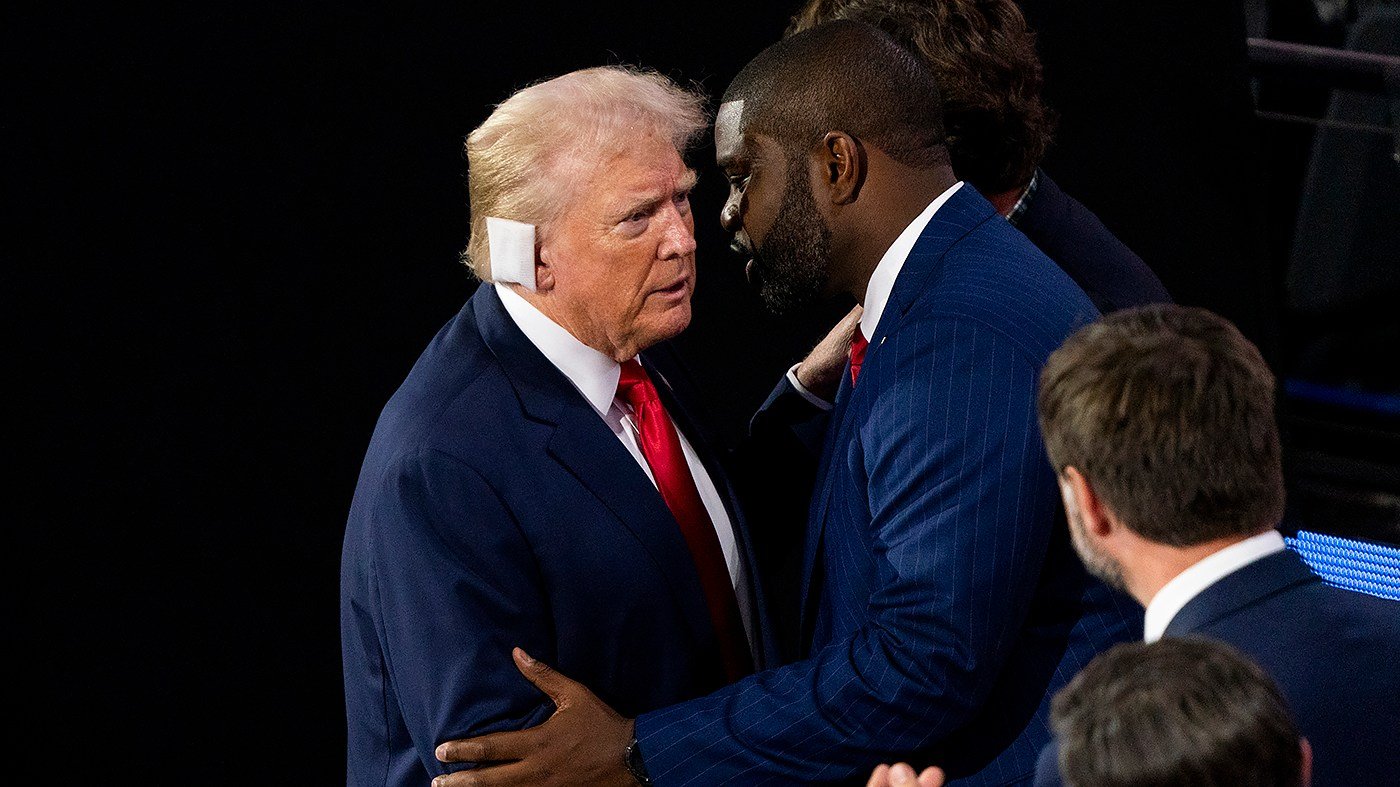
The interview follows recent personal attacks from Trump, who claimed Newsom should be disqualified from the presidency due to his dyslexia, calling him a "low-IQ person." Trump stated in the Oval Office, "Honestly, I'm all for people with learning disabilities, but not for my president." Newsom responded forcefully on social media, declaring dyslexia a strength and urging children with learning disabilities not to be bullied "by anyone—not even the President of the United States." This exchange highlights the deeply personal nature of the ongoing feud between the two politicians, both seen as potential standard-bearers for their parties in 2028.
Newsom's commentary arrives amid a volatile political climate where Trump remains the dominant figure in the GOP. The former president's political resilience continues to shape strategy across the aisle, as evidenced by events like high-profile anti-Trump rallies featuring figures like Bruce Springsteen. Meanwhile, Trump's recent foreign policy declarations, including his claims of victory over Iran despite internal opposition, continue to provoke intense debate about his leadership style and its consequences.
As a likely 2028 presidential contender, Newsom's words carry significant weight within Democratic circles. His call for a more "ruthless" political approach reflects growing anxiety among party leaders about countering Trump's movement, especially as the former president maintains a strong grip on the Republican base despite controversies and legal challenges. The governor's blend of psychological critique, strategic warning, and personal defiance encapsulates the complex, high-stakes dynamics defining the current American political era.