Springsteen Joins Political Fray at Minnesota Capitol
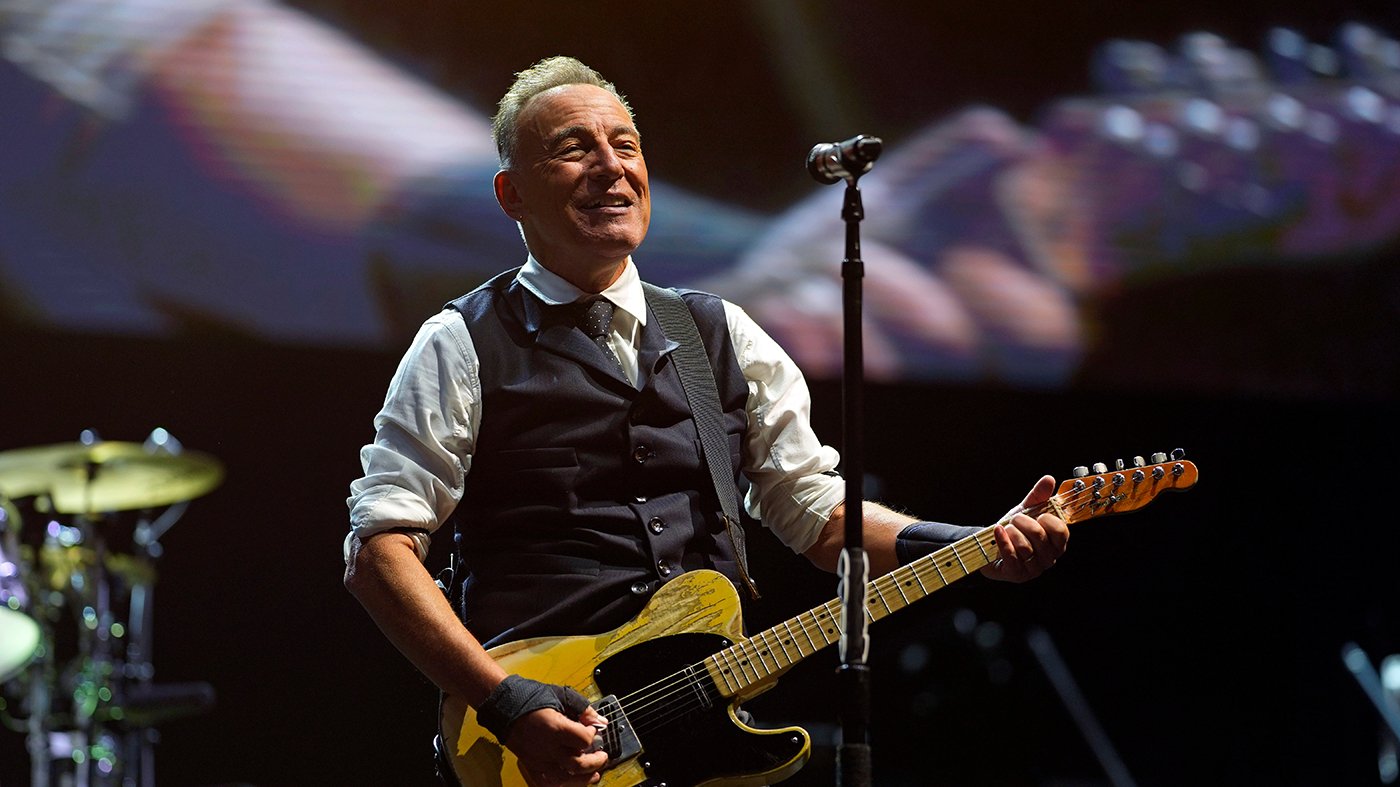
Musician Bruce Springsteen is set to take the stage at a major 'No Kings' protest this Saturday at the Minnesota State Capitol in St. Paul. The event is part of a coordinated national day of action targeting policies of the Trump administration, with a particular focus on immigration enforcement. Organizers anticipate millions of participants across the country, with Minnesota hosting one of the flagship gatherings.
In an interview with the Minnesota Star Tribune, Springsteen framed his participation as a deliberate political act. "You want to try to meet the moment," he stated. "The No Kings movement is of great import right now." He described the power of music in political mobilization, noting, "When you have the opportunity to sing something where the timing is essential... it elevates the moment, it elevates your job to another level. And I'm always in search of that."
Direct Response to Immigration Enforcement
Springsteen's involvement follows his release earlier this year of a song explicitly critical of Immigration and Customs Enforcement (ICE). The track was a direct response to federal immigration enforcement actions in Minneapolis that had sparked significant local tension. At the time, Springsteen said on Instagram that he wrote and recorded the song rapidly "in response to the state terror being visited on the city of Minneapolis." He dedicated it to the city's residents, its immigrant community, and to the memory of Alex Pretti and Renee Good, two individuals fatally shot by federal immigration authorities in Minneapolis in January.
The incident involving those shootings remains a point of major contention between state and federal authorities. Minnesota officials have escalated a legal battle with the federal government over evidence related to the protestor shootings, highlighting the deep rift over enforcement tactics.
'No Kings' Movement Gains Momentum
The 'No Kings' movement has evolved into a broad-based coalition opposing what participants describe as authoritarian tendencies and specific policies of the Trump presidency. This weekend's protests are expected to be among the largest since the movement's inception, with a wide array of grievances. Organizers have stated the demonstrations will target Trump's immigration agenda as well as his administration's posture toward Iran, connecting domestic and foreign policy critiques.
The movement's name itself is a direct rebuke of perceived executive overreach, a theme echoed by Democratic critics in Congress. For instance, House Democratic Caucus Chair Hakeem Jeffries has recently accused President Trump of 'king-like' hypocrisy regarding his attacks on mail-in voting systems.
Springsteen's alignment with this movement marks a significant moment of celebrity political engagement. His critique extends beyond general policy to specific agency actions, joining a chorus of voices from various sectors. Even some former immigration officials, like ex-Border Patrol commander Greg Bovino, have launched scathing attacks on the Trump administration's leadership in this area.
Broader Political Context
The rally occurs against a backdrop of heightened political tension nationally. The administration's focus remains split between domestic controversies and international challenges. President Trump recently extended an ultimatum to Iran and paused potential military strikes, a decision that coincided with a rally in financial markets. He has also made provocative claims about Iranian actions in the Strait of Hormuz.
Meanwhile, other political battles continue to unfold, from debates over congressional regulation of college athletics to significant judicial rulings on redistricting. The convergence of a cultural icon like Springsteen with a mass political movement underscores the deeply polarized climate as the nation moves closer to the next election cycle. His performance in St. Paul is less a concert and more a strategic political statement, amplifying a message of resistance that seeks to translate cultural capital into direct political action.