State Accuses Federal Agencies of Obstructing Investigation
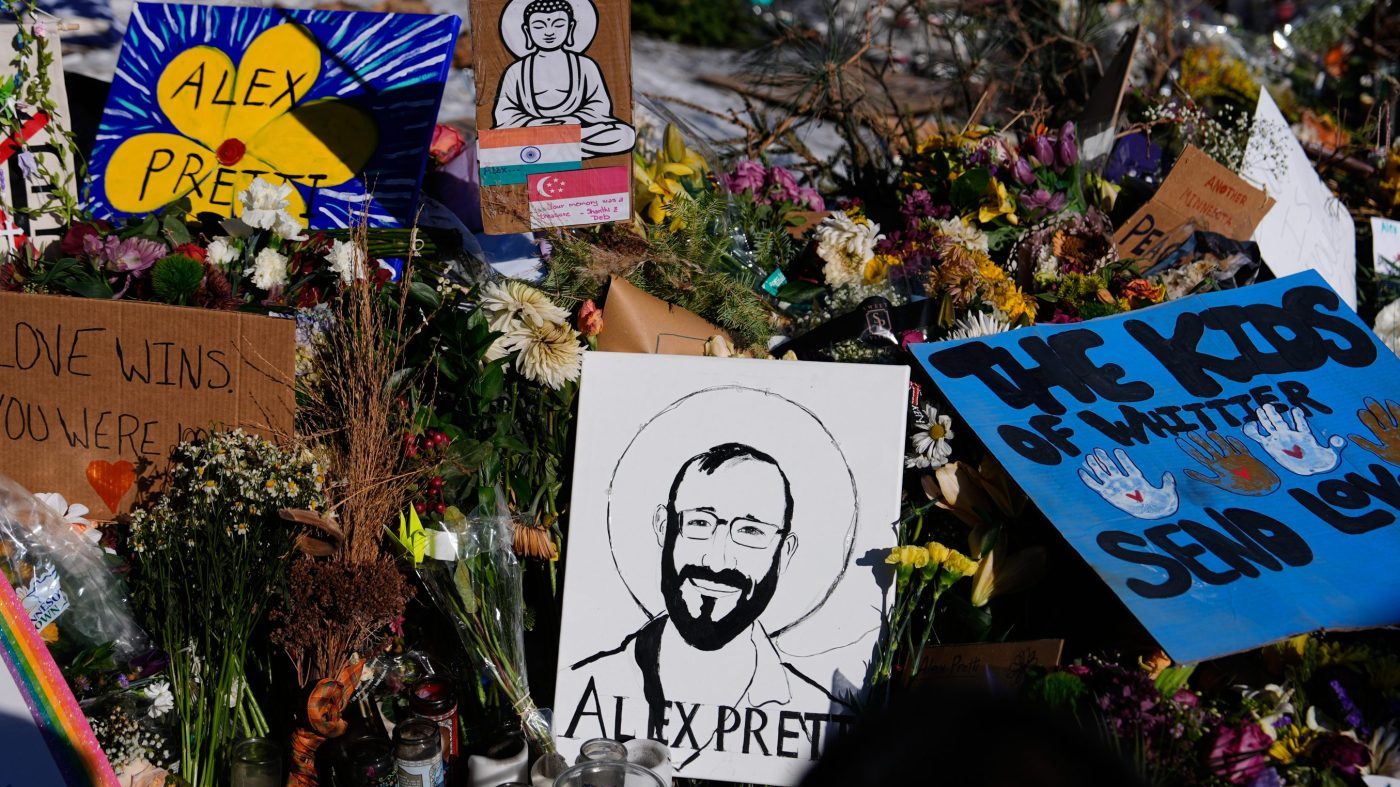
The Minnesota Attorney General's office has escalated its confrontation with the federal government, filing a new lawsuit against the U.S. Departments of Justice and Homeland Security. The legal action demands access to critical evidence surrounding the fatal shootings of two protestors, Renee Good and Alex Pretti, by federal immigration officers during demonstrations earlier this year.
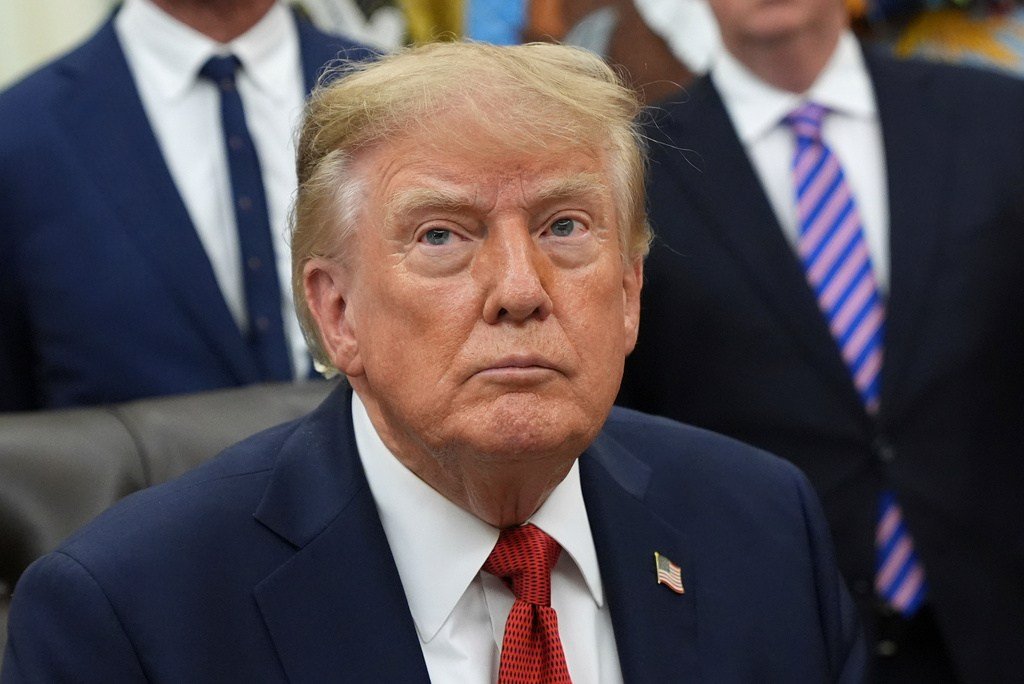
This represents the state's second attempt to compel federal cooperation through the courts. The move follows the Trump administration's refusal to conduct a joint investigation with state authorities into the incidents. The administration's stance has created a significant jurisdictional conflict, pitting state law enforcement prerogatives against federal authority.
Legal Strategy Shifts to Washington, D.C.
After a federal judge in Minnesota declined to issue a restraining order in the case back in February, state attorneys have now turned to the U.S. District Court for the District of Columbia. The venue change represents a strategic pivot, seeking a potentially more favorable forum to address what Minnesota describes as federal overreach.
In the lawsuit, state officials assert their fundamental authority to investigate violent crimes within their borders. "The State of Minnesota has the authority and responsibility to protect against and address violence within its borders, including by prosecuting homicides, attempted homicides, and assaults," the filing states. "That responsibility rests primarily with Minnesota’s law enforcement and prosecutorial authorities—in this case, Plaintiffs—who must gather the evidence, evaluate the facts, and decide whether Minnesota criminal law was violated."
The core allegation is that federal authorities have actively impeded the state's investigation. "Instead of sharing information, federal authorities took exclusive possession of evidence that had been collected, and they denied Minnesota investigators access to key information," the lawsuit contends. This evidence blockade prevents Minnesota from determining whether state charges should be filed against the federal officers involved.
Broader Context of Federal-State Tensions
The conflict occurs against a backdrop of ongoing tension between the Trump administration and several states over law enforcement jurisdiction and immigration policy. The administration has frequently asserted broad federal authority in immigration matters, sometimes clashing with state and local governments. This case touches directly on that friction, questioning where the line between federal and state investigative power lies when federal agents are involved in fatal incidents on state soil.
The lawsuit highlights the complex interplay between different levels of government, particularly when controversial agencies like Immigration and Customs Enforcement (ICE) are involved. The administration's approach to homeland security has often prioritized a robust federal role, as seen when President Trump backed masked ICE agents during contentious funding debates. This stance can create investigative gray zones when incidents occur.
Minnesota's aggressive legal posture reflects a growing trend of states using the courts to challenge federal actions across multiple policy areas. Similar conflicts have emerged in healthcare, where HHS has opened civil rights probes into numerous states over abortion-related laws, demonstrating the litigious environment defining current federal-state relations.
The outcome of this case could set a significant precedent for how fatal incidents involving federal law enforcement personnel are investigated nationwide. It raises fundamental questions about transparency, accountability, and the balance of power between state and federal governments. As the legal battle moves to Washington, it will test the limits of federal control over evidence and the ability of states to pursue independent investigations when their citizens are killed by federal agents.