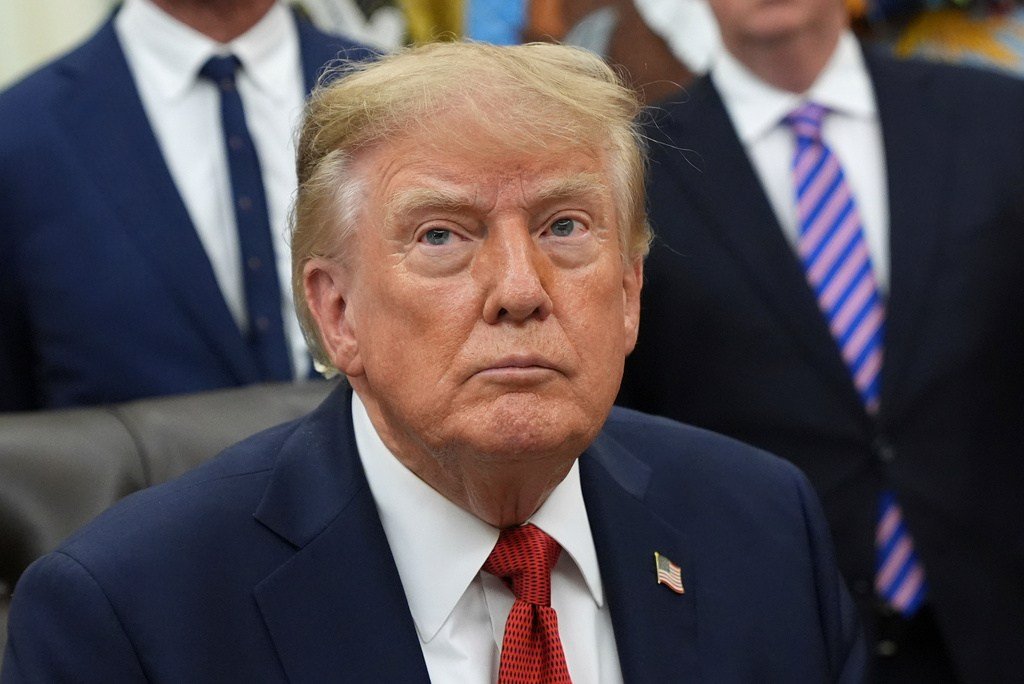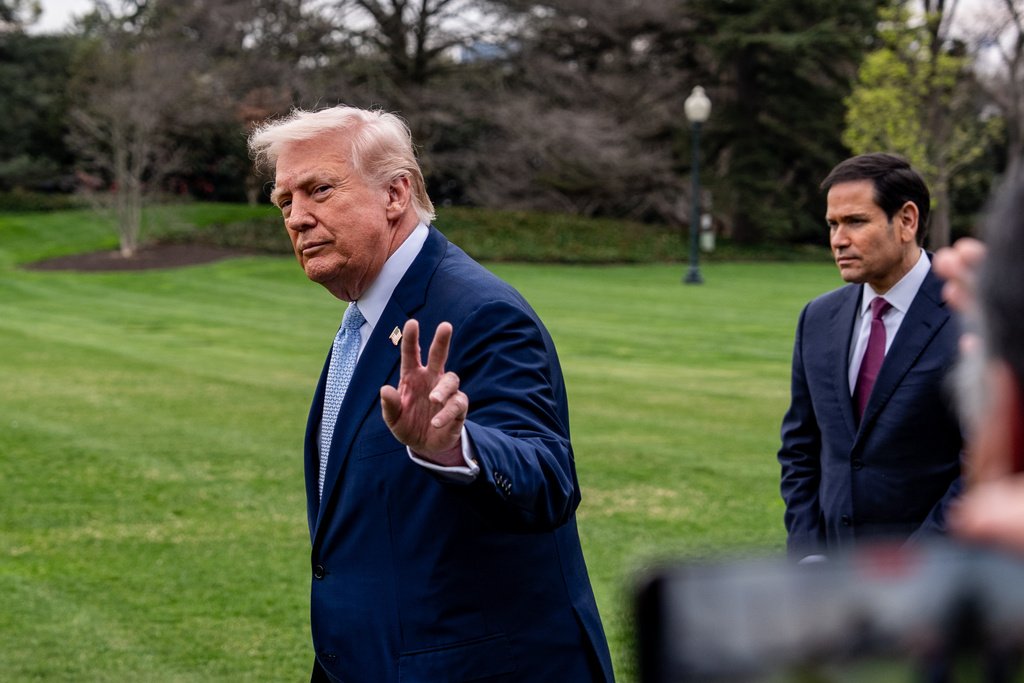
Former President Donald Trump has injected himself into stalled negotiations over Department of Homeland Security funding, publicly endorsing a policy that directly contradicts a central Democratic demand. In a social media post, Trump declared himself a "BIG proponent" of allowing Immigration and Customs Enforcement officers to wear masks to conceal their identities during enforcement operations against what he termed "hardened criminals."
Core Democratic Demand Rejected
This position explicitly rejects a non-negotiable condition set by Democratic leaders, who have insisted that ICE agents be prohibited from wearing masks as part of any deal to fund the agency. The DHS has been operating under a lapsed appropriation since February 14, with the mask ban and a warrant requirement for home entries forming the bedrock of Democratic negotiating points. Senate Majority Leader Chuck Schumer reiterated this stance, arguing, "We're not going to give in on fundamental things that every police department does. You know, identity? No. You know, police don't wear masks."
Trump's intervention, delivered via his Truth Social platform, appears designed to harden Republican opposition and may effectively kill any prospect of a bipartisan compromise this week. He framed the issue as a necessary protective measure for federal agents, while simultaneously blaming the Biden administration for immigration enforcement challenges, citing "more than 10 million migrants" entering the country during the previous term.
Airport Exception and Legislative Linkage
In a notable qualification, Trump stated he would oppose mask-wearing if ICE personnel were deployed to assist with airport security congestion caused by Transportation Security Administration staffing shortages during the shutdown. "I would greatly appreciate, however, NO MASKS, when helping our Country out of the Democrat caused MESS at the airports, etc," he wrote. This echoes his previous characterization of airports as key enforcement zones where immigration policy intersects with public security.
The former president went further, explicitly opposing a potential Republican compromise to separate funding for ICE and Customs and Border Protection from the broader DHS bill to allow other agencies like TSA to resume normal operations. Instead, he urged Senate Republicans to withhold any deal unless Democrats first support passing the SAVE America Act, legislation that would mandate documented proof of citizenship for voter registration. This linkage creates a nearly insurmountable barrier for negotiations, reflecting Trump's continued influence over the congressional GOP agenda, similar to his role in pressing senators to prioritize election security measures.
Some Republican senators, including Ted Cruz of Texas and John Kennedy of Louisiana, had expressed growing pessimism about reaching a comprehensive deal and had floated the idea of a bifurcated funding approach. Trump's statement effectively quashes that potential path forward, insisting on a unified bill and the passage of his preferred election legislation as a precondition.
Broader Political Context
This standoff over DHS funding and ICE protocols occurs against a backdrop of heightened political maneuvering on multiple fronts. The Trump campaign has simultaneously been engaged in complex foreign policy signaling regarding Iran, demonstrating how domestic immigration battles and international posturing are often intertwined in the current political landscape. The hardline stance on ICE also serves to rally Trump's political base around immigration enforcement, a perennial central theme of his campaigns.
The impasse leaves the Department of Homeland Security in a state of operational uncertainty. With funding lapsed and core policy issues like agent identification and warrant procedures unresolved, the agency's ability to conduct planned enforcement operations remains constrained. Democratic leaders show no sign of retreating from their demand for transparency and accountability, setting the stage for a prolonged stalemate that Trump seems willing to exploit for political advantage as he contrasts his approach with the previous administration's record.