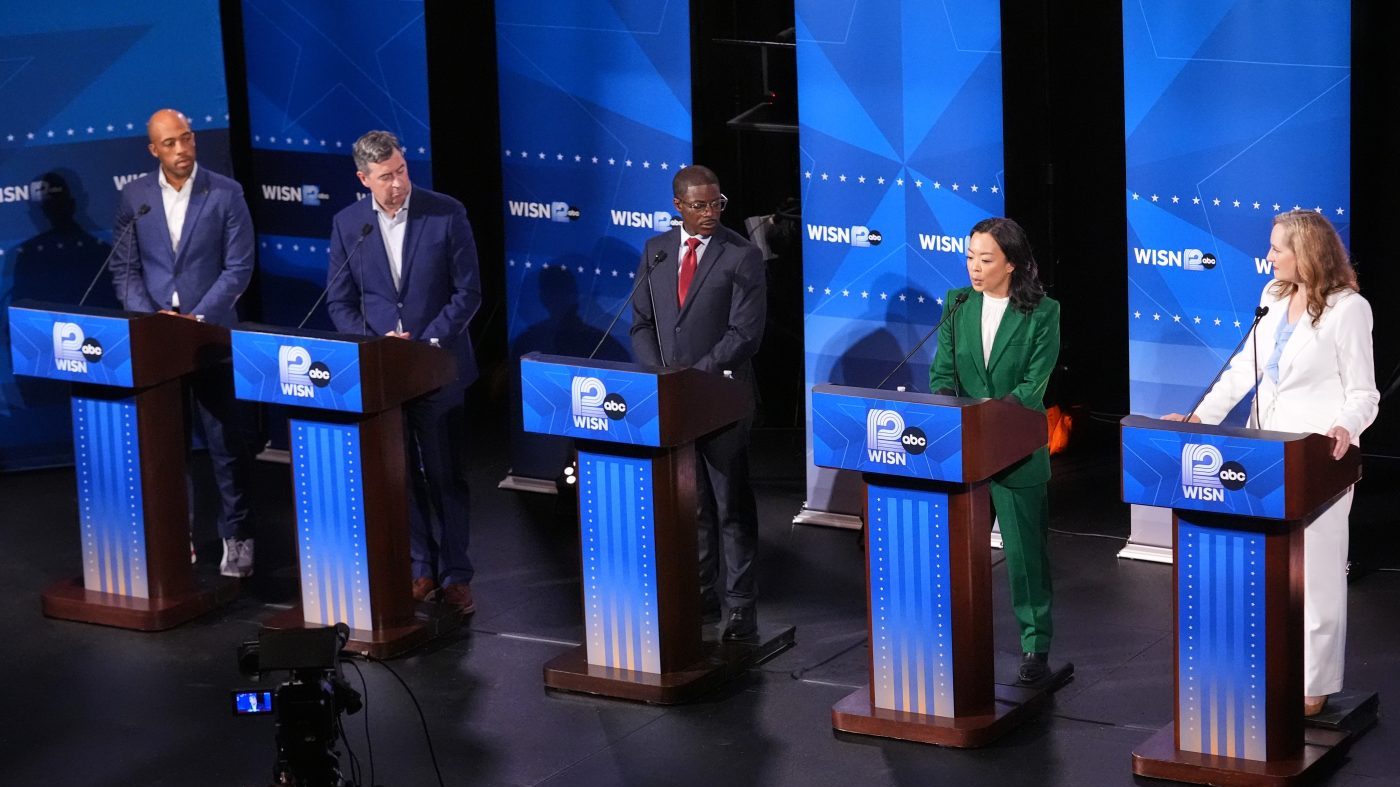
With Congress in its August recess, the political spotlight shifts from the Capitol to the campaign trail as voters in several states head to the polls for primaries that will help define the 2026 midterm elections. The most closely watched contest is Wisconsin's Democratic gubernatorial primary, where the party's establishment and progressive wings are battling for the nomination to replace retiring Governor Tony Evers.
Milwaukee County Executive David Crowley, backed by Evers and the party's mainstream, faces state Representative Francesca Hong, who has surged in polls and represents the progressive wing. A recent Marquette University Law School poll showed Hong leading with 38 percent, while Crowley trailed at 7 percent. Evers has expressed concern that Hong may be too liberal to win the general election against likely Republican nominee Tom Tiffany, warning that her candidacy could hurt downballot Democrats. Hong, however, argues that voters are hungry for change and that her working-class message resonates. She has faced scrutiny over past social media posts and ties to the Democratic Socialists of America, but she insists she is focused on the issues that matter to Wisconsin families.
In Minnesota, Democrats will choose nominees for both the Senate seat vacated by retiring Senator Tina Smith and the governorship, as Governor Tim Walz steps down. The Senate primary pits moderate Representative Angie Craig against progressive Lieutenant Governor Peggy Flanagan. Craig, who has represented a competitive swing district, touts her record of bipartisan appeal and has endorsements from prominent Democrats like Pete Buttigieg and Nancy Pelosi. Flanagan, backed by Bernie Sanders, criticizes Craig's vote for the Laken Riley Act and argues that the party needs a new approach. The gubernatorial primary features a crowded field, with the Democratic nominee expected to face a tough Republican challenge in the fall.
On the Republican side, South Carolina's special primary to fill the seat of the late Senator Lindsey Graham will determine the GOP nominee for the November ballot. The field includes interim Senator Darline Graham, Representatives Russell Fry and Ralph Norman, and former Governor Mark Sanford. All are vying to convince voters they are best positioned to carry forward the Trump agenda in the Senate.
The results of these primaries will offer early indicators of the political mood heading into the midterms, particularly whether progressive energy can translate into wins in battleground states. The absence of high-profile endorsements from national figures like AOC in some races underscores the strategic calculations at play. Meanwhile, Republicans are watching economic warning signs in key states, as noted in recent analyses of Florida and Texas races.
Additionally, Ohio Representative Max Miller is facing mounting pressure to withdraw from his reelection bid or resign amid allegations of domestic violence, which he denies. His situation adds another layer of complexity to the GOP's primary season.
As lawmakers enjoy their recess, the Senate's extended break means that the campaign trail will dominate political news for the coming weeks. The outcomes of these primaries will not only shape the 2026 ballot but also test the influence of different factions within both parties.