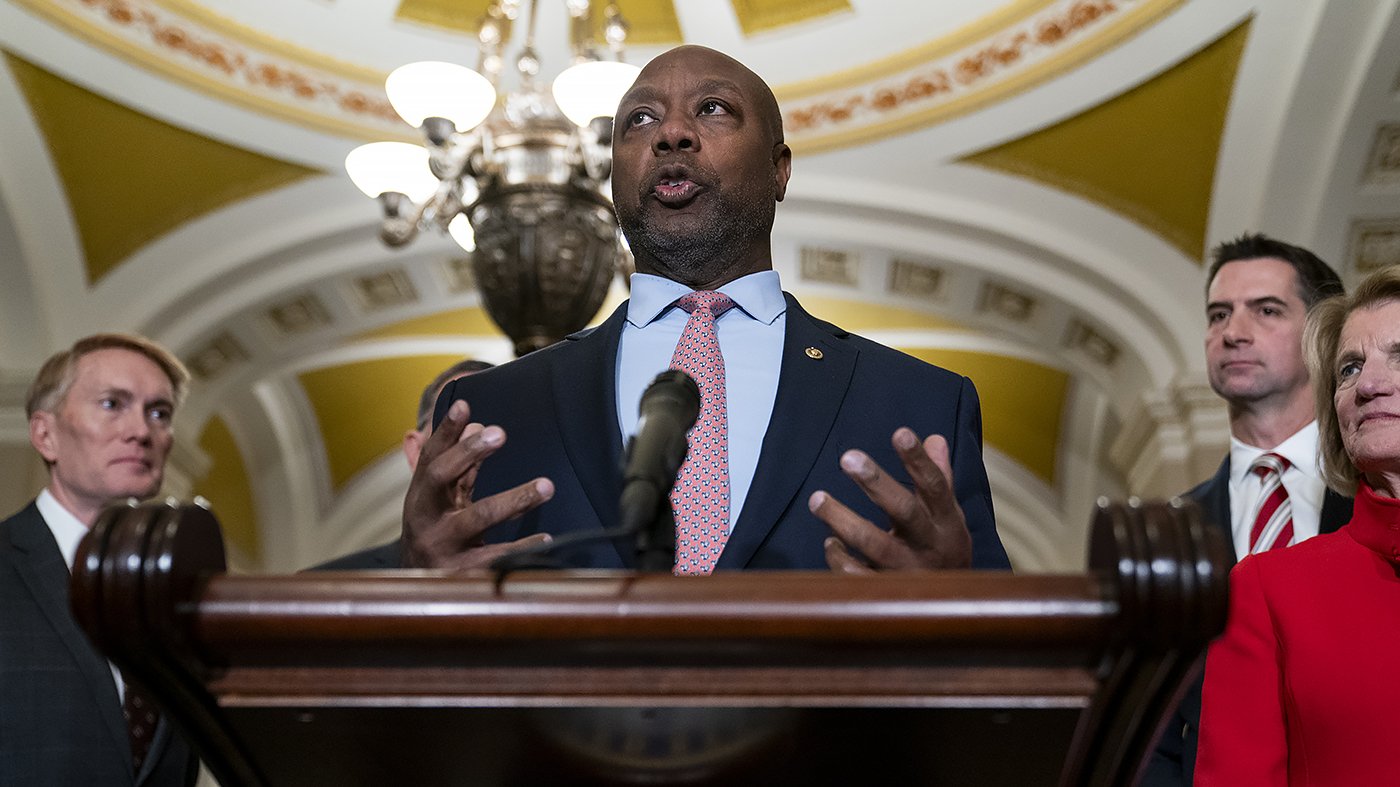
Sen. Tim Scott (R-S.C.), who leads the National Republican Senatorial Committee, argued Sunday that Michigan Democratic Senate nominee Abdul El-Sayed is handing Republicans an advantage in the midterm race, pointing to the candidate's positions on law enforcement and immigration as out of step with the state's voters.
"I'm certain that Abdul El-Sayed is making it easier. Because he is inconsistent with Michiganders of either side of the aisle," Scott said in an interview with CNN's Manu Raju that aired Sunday. He went on to characterize El-Sayed as someone "who wants to defund police, defund ICE, who wants to abolish our concept of a border," concluding, "He's just wrong for Michigan."
The GOP's messaging against El-Sayed has been aggressive, with advertisements labeling him the "most dangerous" candidate in the race and repeatedly using his full name, Abdulrahman Mohammed El-Sayed. When pressed on whether that emphasis was an indirect reference to his Muslim faith, Scott denied it, saying, "Not at all." He added that the campaign is simply telling voters, "He says he's the 'most dangerous candidate' you can find. He's right. We should trust his words, not ours."
The ads pull from an isolated clip where El-Sayed says, "I'm pretty damn dangerous," a remark originally aimed at establishment Democrats, including Senate Minority Leader Chuck Schumer (D-N.Y.), not at public safety. Still, Republicans and former President Trump are using such comments to frame El-Sayed and other progressive candidates as political outliers ahead of November.
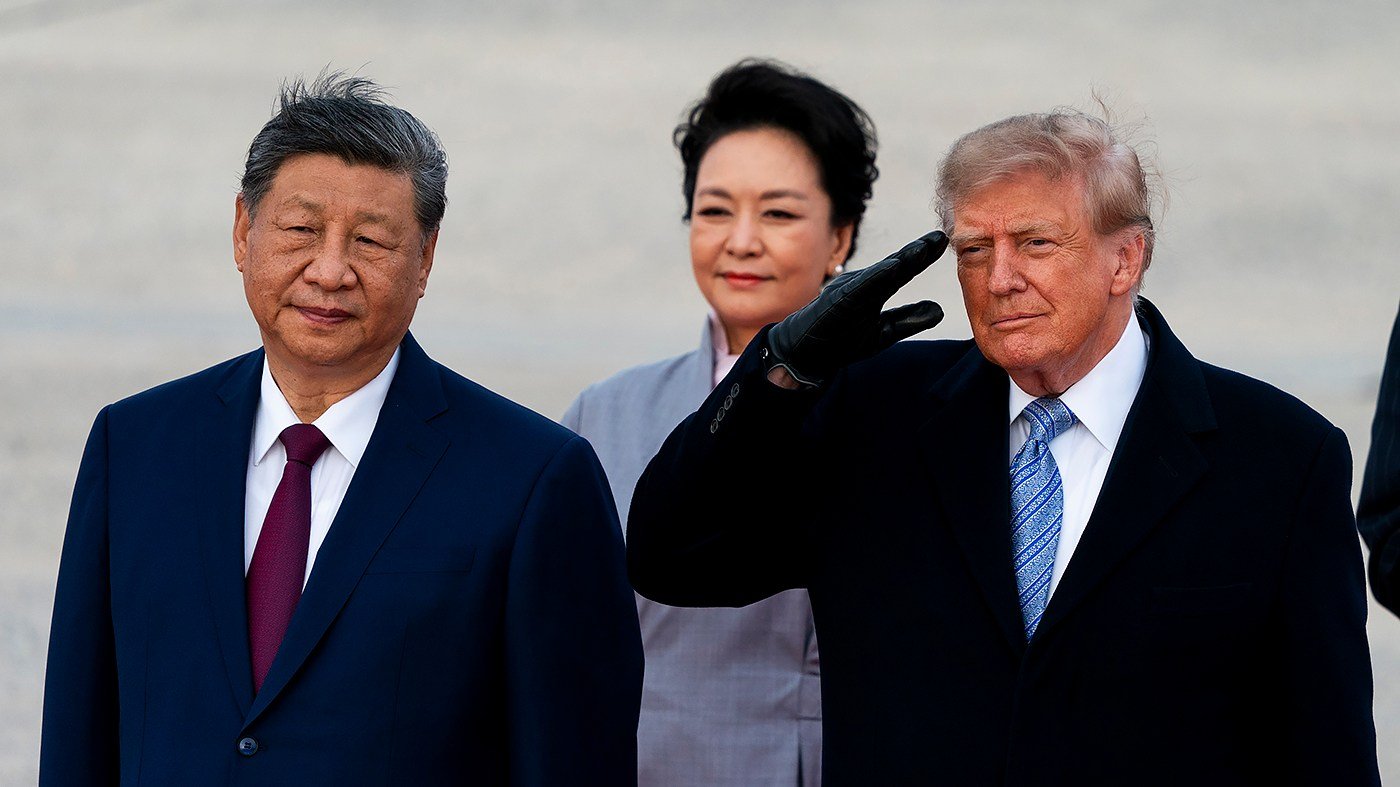
Trump took direct aim at El-Sayed on Sunday, posting a side-by-side image of himself and first lady Melania Trump next to a photo of El-Sayed and his wife, with the caption "Two VERY DIFFERENT America's." Appearing on CNN's "State of the Union," El-Sayed responded by contrasting the two visions: one where "your overlords are two people who don't like each other but joint in the interest of making billions of dollars off of you," versus "two people who genuinely love each other, enjoyed some pancakes together, want to come together to build the kind of America where they can raise a family." He then asked viewers whether they can afford gas and groceries and whether their children will have a better future.
El-Sayed's campaign has drawn attention for its progressive platform, including strong opposition to the Iran war and criticism of AIPAC funding in politics, as well as his advocacy for Palestinian rights. Scott suggested Republicans will use those stances to paint El-Sayed as "sympathetic for Hamas" and will highlight his association with left-wing commentator Hasan Piker, who once said the U.S. deserved the 9/11 attacks. Piker has since disavowed the remark, and El-Sayed has condemned it as well.
On NBC's "Meet the Press," El-Sayed addressed the Piker controversy, calling it "a dumb statement" and noting that Piker "disavowed it." He argued against "gotcha politics" and "cancel culture," saying, "I want to be held accountable for what I say and what I do, rather than this idea that we're so stuck in cancel culture that all of us agreed was a bad idea back in 2020, but we seem to want to bring back."
The Michigan race is shaping up to be a key test of progressive appeal in a battleground state. El-Sayed's narrow primary win has set up a general election showdown, and his path to the Senate may hinge on turnout among Black voters, as analysts have noted. He has also received a boost from Vice President Kamala Harris, whose endorsement backed his progressive populism. Meanwhile, some Democrats worry that his association with Piker could hurt him, with Sen. John Fetterman (D-Pa.) daring El-Sayed to keep campaigning with the commentator.
Scott's comments underscore the GOP's strategy to nationalize the race around cultural and ideological issues, a tactic that has resonated in past elections. As the general election approaches, El-Sayed will need to counter these attacks while rallying the progressive base that propelled him to victory.