The commander of Sweden's armed forces has issued a stark warning that Russia is leveraging the ongoing conflict in Iran to generate a massive influx of oil revenue, which is being directly funneled into its war effort against Ukraine. General Michael Claesson stated in an exclusive interview that this financial windfall is allowing Moscow to significantly strengthen its military-industrial capacity.
War Economy Supercharged
General Claesson emphasized that Russia has already successfully restructured its economy into a war-focused model. "Their own defense industrial base has been not only stabilized, but also, let's say, inflated financially," he said. The additional capital, he argued, is being poured into a system that already possesses a formidable production rate and capacity for building weapons compared to the collective West.
"Pouring in more money into that system is, of course, something that creates more challenges to Ukraine, obviously, but also to the rest of us, including the U.S.," Claesson added, highlighting the broader strategic implications. He described the deepening military and economic link between Moscow and Tehran as creating "a lot of challenges" for international security.
Hormuz Closure Creates Oil Premium
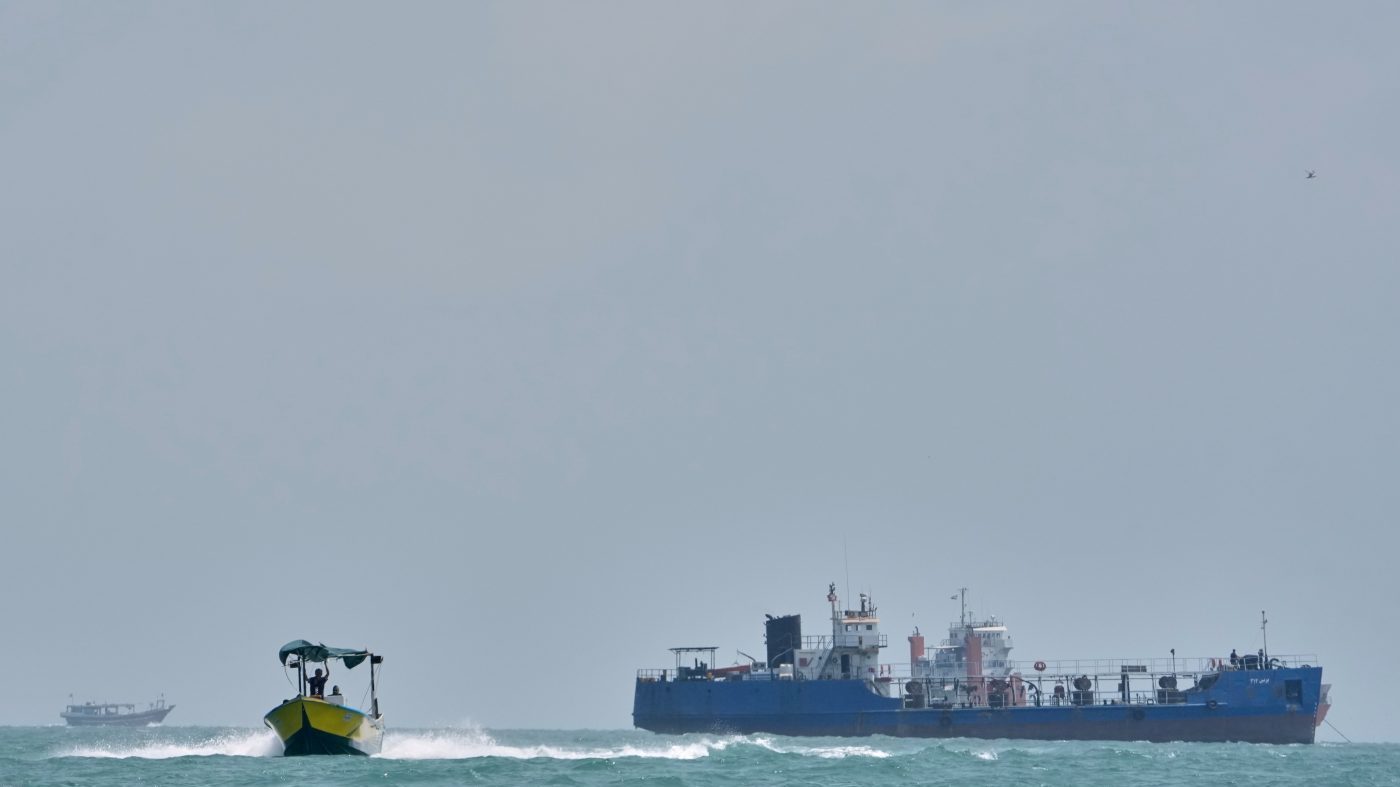
The financial mechanism driving this surge is the closure of the Strait of Hormuz by Iran, a critical chokepoint for global oil shipments. This action, a response to the U.S.-Israeli military campaign that began in late February, has constricted the flow of roughly one-fifth of the world's oil. The resulting spike in energy prices has placed a premium on Russian supplies, which remain accessible.
According to a report from The Guardian, Russia earned an estimated $8 billion from fossil fuel sales in the first two weeks of the Iran war alone—nearly $900 million above its typical revenue. The majority of this sum, approximately $833 million, came from oil trades. This comes as the U.S. has temporarily eased some sanctions, allowing countries to purchase Russian oil already at sea without penalty for a 30-day period, a move aimed at mitigating global price shocks.
A Strategic Partnership of Convenience
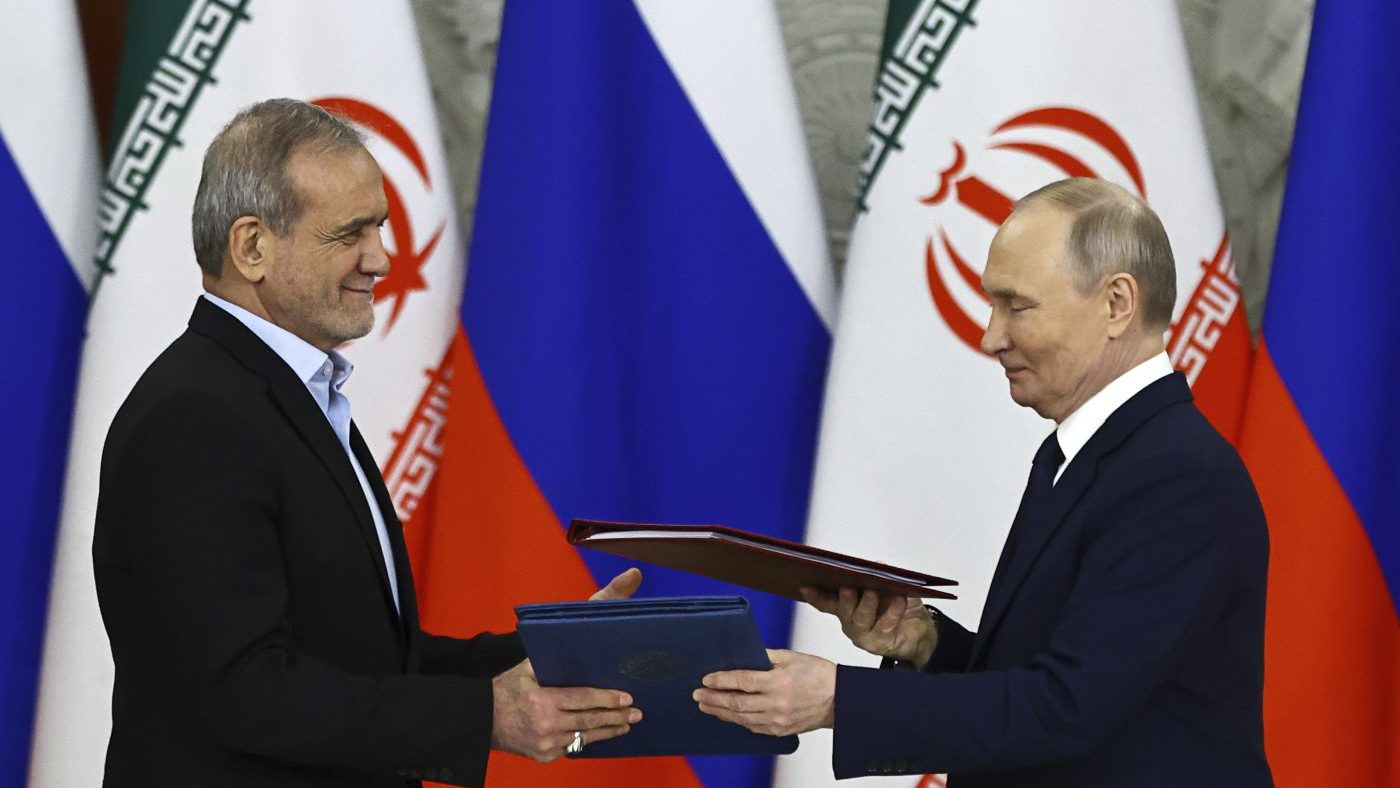
The relationship is not merely transactional. U.S. officials confirm that Russia has actively assisted Tehran in the conflict by sharing satellite imagery and intelligence. Meanwhile, Ukrainian President Volodymyr Zelensky has cited intelligence indicating Moscow supplied drones to Iran that were later used to attack U.S. military bases in the Persian Gulf.
Western intelligence, as reported by the Financial Times, indicates the Kremlin is also close to completing a shipment of drones, medicine, and food to Iran. This reciprocal aid extends to the European theater, where Tehran has aided Moscow through the sale of its own drones for use in Ukraine. This evolving alliance, as detailed in related reporting on how Russia and China are helping Iran prolong its air campaign, is raising long-term strategic costs for the United States and its allies.
Broader Implications for Western Strategy
General Claesson's assessment underscores a critical vulnerability in Western efforts to contain Russia's war machine. The interconnected nature of global conflicts has provided Moscow with an unexpected financial lifeline, complicating the economic pressure campaign that began with its 2022 invasion of Ukraine. This development occurs as NATO allies record a significant jump in defense spending, highlighting the escalating global security demands.
The situation also tests international sanctions enforcement. The UK has recently authorized its Royal Navy to board Russian shadow fleet tankers in a bid to tighten the sanctions net, a direct response to the type of maritime oil trade now booming due to the Iran war. Furthermore, Iran has set specific conditions for reopening the Strait of Hormuz, citing self-defense, which suggests the oil price premium benefiting Russia may persist.
The convergence of these conflicts presents a multifaceted challenge: while the West focuses support on Ukraine and counters Iranian aggression, Russia is capitalizing on the resulting market disruptions to fund its own prolonged offensive. This dynamic threatens to create a vicious cycle where regional instability directly fuels a larger European war, demanding a more coordinated allied response to sever the financial and military links between these adversarial states.