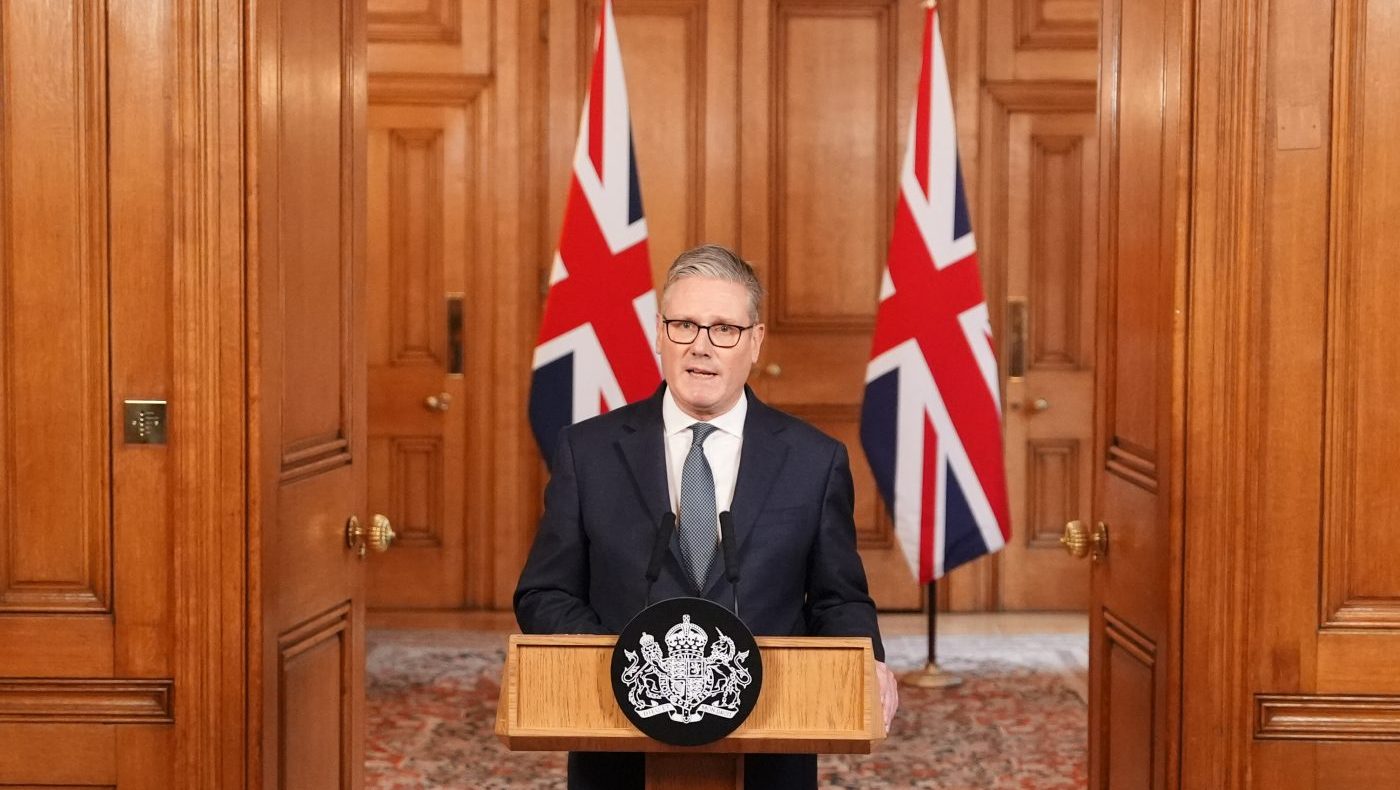
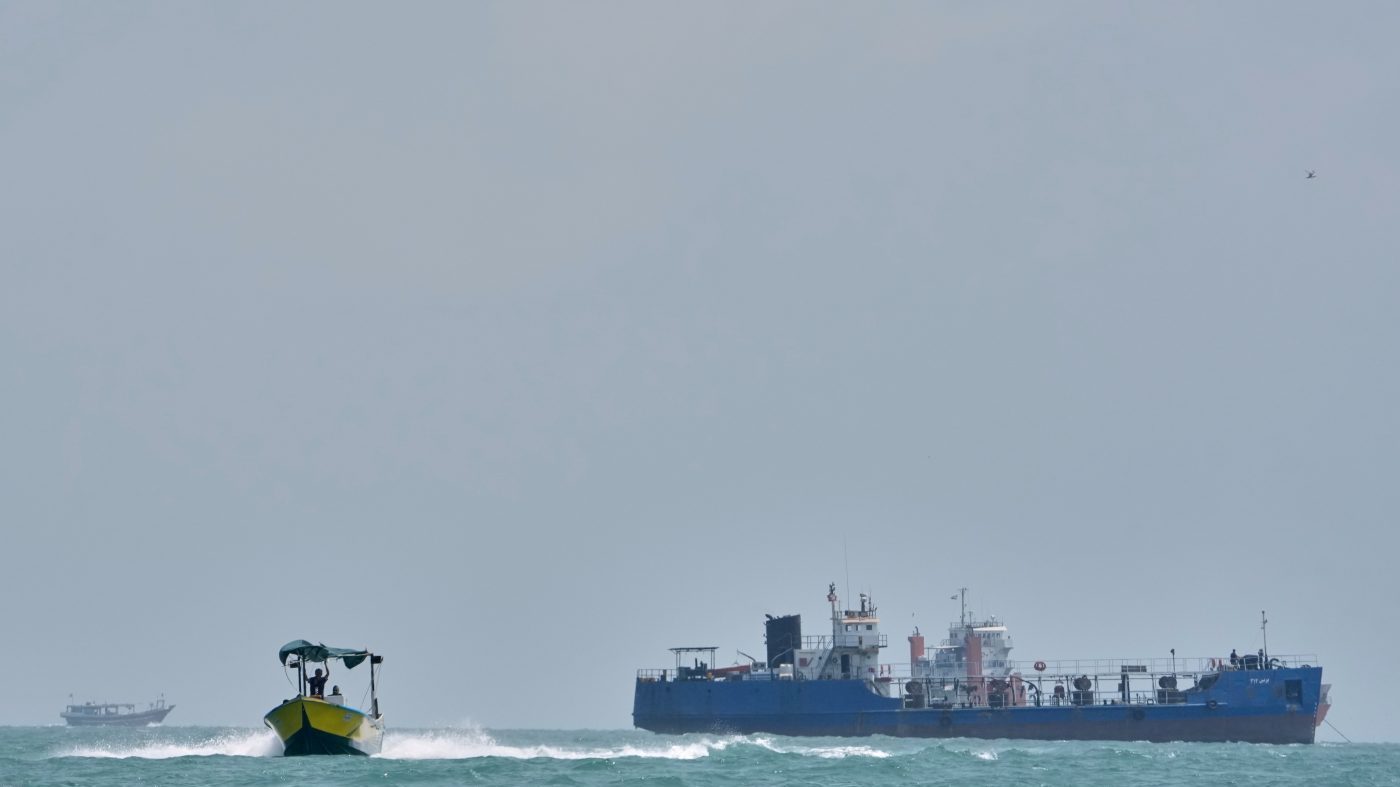
In a significant escalation of economic pressure on Moscow, the British government has granted new authority for its military to board and detain Russian "shadow fleet" vessels operating in UK waters. The move, announced by Prime Minister Keir Starmer's office, targets a network of tankers with obscured ownership and insurance used to circumvent international sanctions on Russian oil exports.
Targeting Putin's War Chest
The policy shift empowers Royal Navy personnel and UK law enforcement officers to interdict vessels that have been sanctioned by Britain and are transiting through its territorial waters. According to the government's statement, each potential target will undergo individual assessment by specialists in law enforcement, military affairs, and energy markets before ministers authorize any operation.
"The British military will be able to board shadow fleet vessels transiting UK waters as the UK steps up its pressure on Putin," stated the official release. "The Prime Minister has agreed that the UK Armed Forces and law enforcement officers will now be able to interdict vessels that have been sanctioned by the UK."
Starmer directly linked the action to Russia's ongoing invasion of Ukraine, arguing that the shadow fleet enables Moscow to finance its military campaign. "Putin is rubbing his hands at the war in the Middle East because he thinks higher oil prices will let him line his pockets," the Prime Minister said. "That's why we're going after his shadow fleet even harder, not just keeping Britain safe but starving Putin's war machine of the dirty profits that fund his barbaric campaign in Ukraine."
Strategic and Economic Dimensions
According to Downing Street, approximately 75 percent of Russia's crude oil exports now travel via this shadow fleet system. The network's operations pose dual threats: they undermine the efficacy of Western sanctions while potentially endangering critical infrastructure. The government noted that ships navigating Arctic and northern routes could directly threaten vital "lifelines" like undersea communications cables.
The Atlantic Council has documented how these tankers have allowed Russia to sustain funding for its war effort despite extensive international restrictions. Following detention of a vessel, criminal proceedings may be initiated against owners, operators, and crew for violations of UK sanctions legislation.
This British action aligns with broader Western efforts to clamp down on sanctions evasion. The previous U.S. administration under President Trump had similarly targeted shadow fleet operations, including the seizure of the vessel Bella 1 in international waters earlier this year. The current geopolitical landscape features increasingly coordinated pressure from adversarial states that challenges Western strategic resolve across multiple domains.
The announcement comes amid heightened global tensions and complex alliance dynamics. While the UK focuses on maritime enforcement, debates continue in Washington about the appropriate scale of military engagement with other adversarial nations, as reflected in a recent poll showing majority American opposition to excessive military action against Iran. Meanwhile, some Republican figures have publicly urged a shift toward diplomatic engagement with Tehran rather than military escalation.
The Royal Navy's enhanced monitoring and interdiction role represents a tangible implementation of the UK's stated policy of supporting Ukraine by constraining Russian resources. The government emphasized that military and law enforcement assets are prepared for increased patrols and enforcement actions as this new authority takes effect.