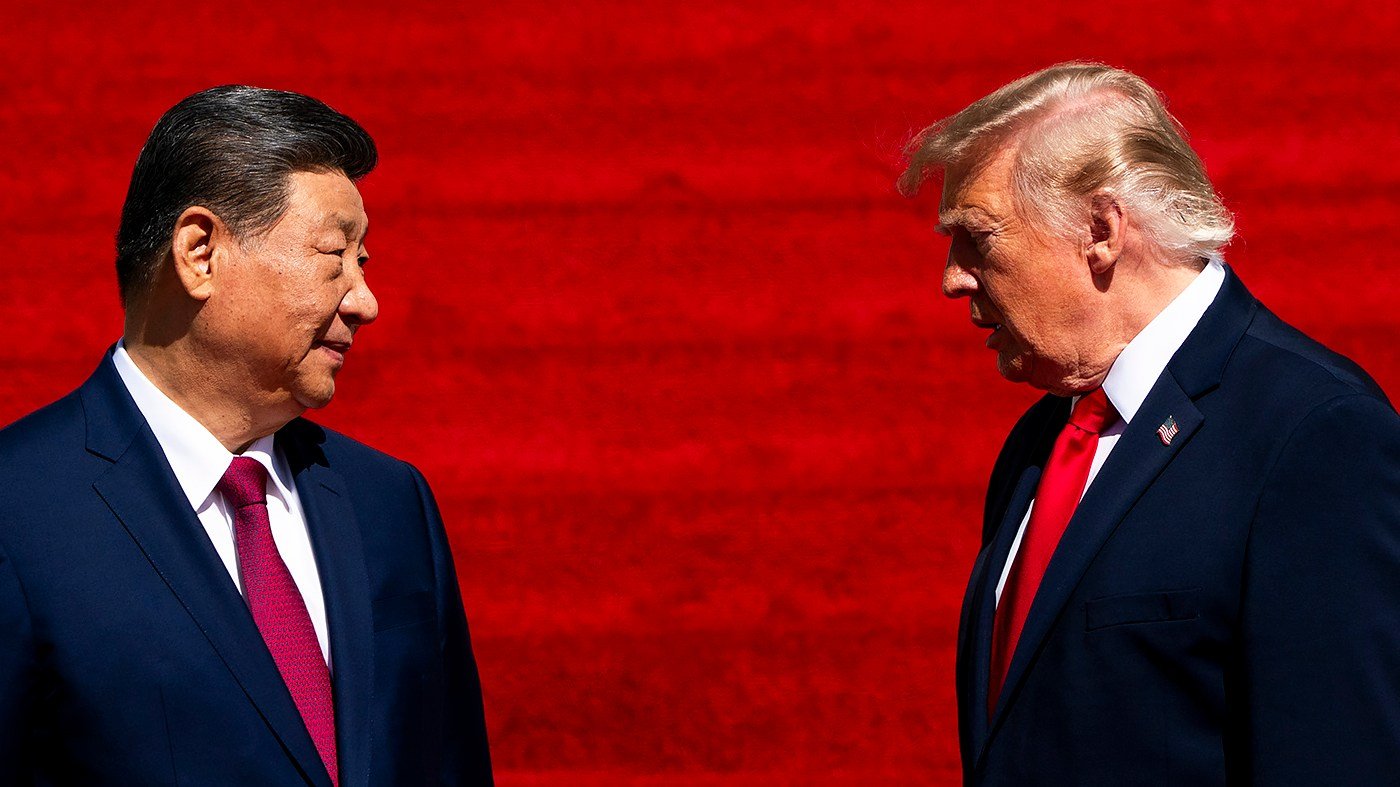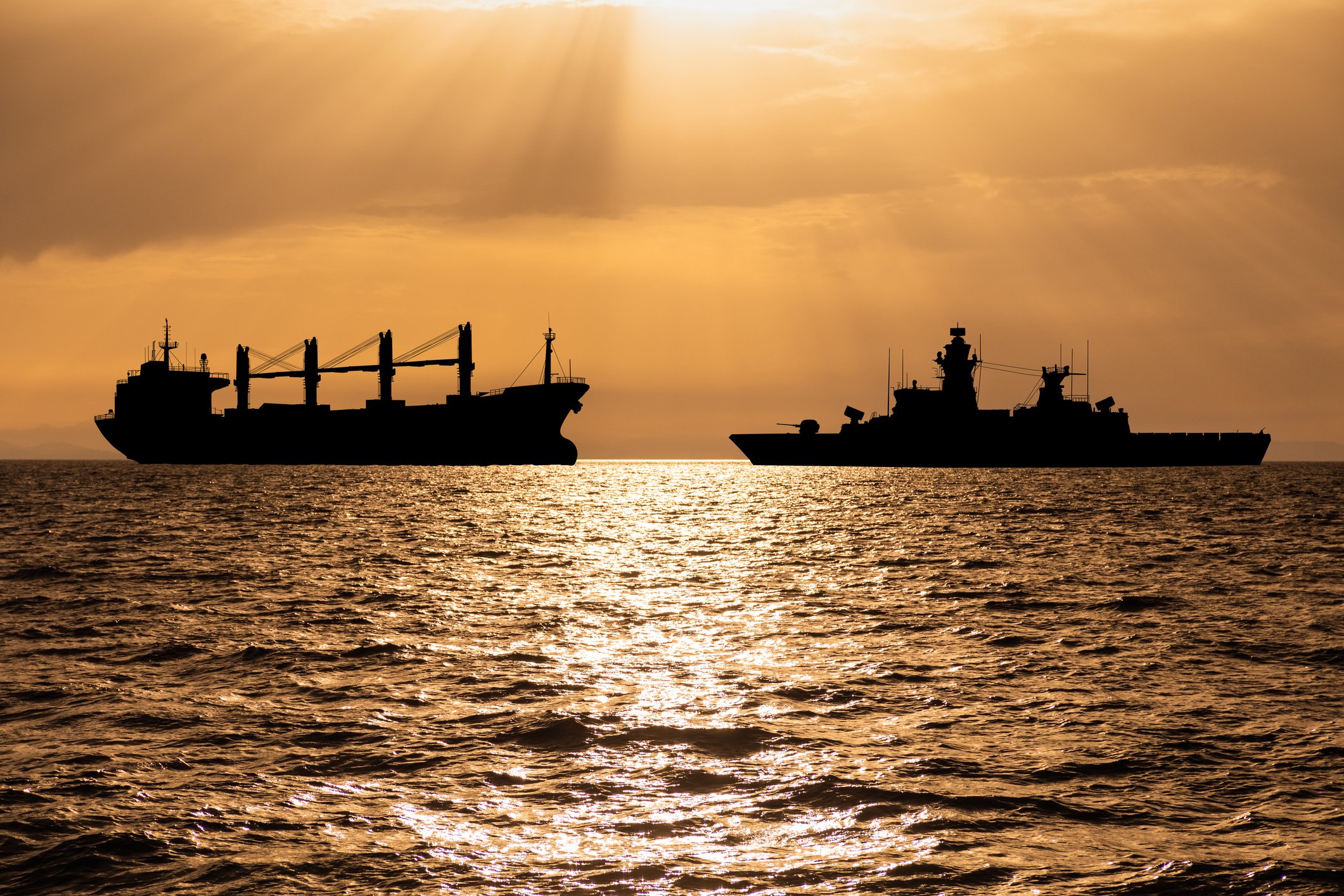
A concerted campaign of strategic pressure by Russia, China, Iran, and North Korea is achieving measured success in stretching and dividing American and allied responses. This multi-front challenge, targeting U.S. interests from Eastern Europe to East Asia, has generated significant concern within Washington policy circles about the nation's capacity to manage simultaneous crises.
Trans-Atlantic Rifts Widen Over Iran
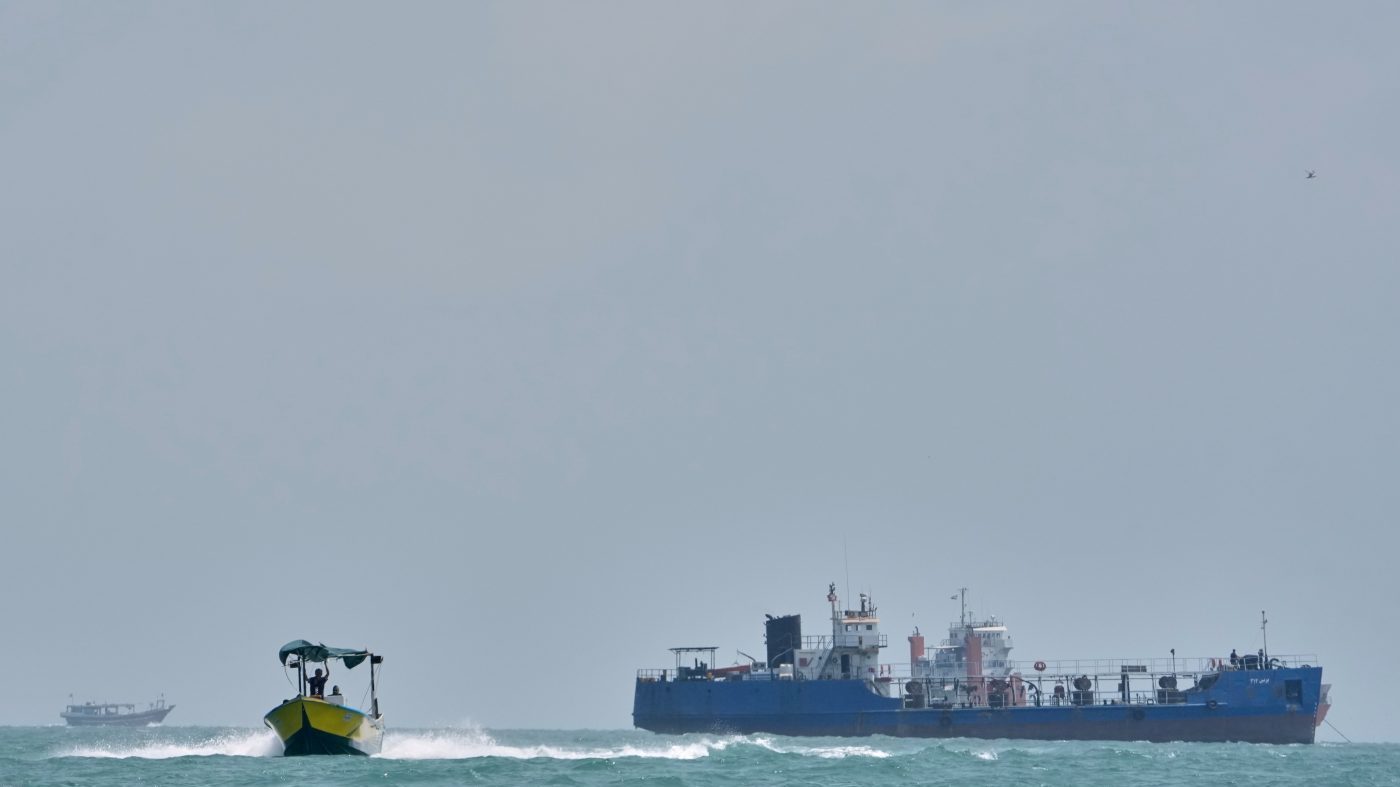
European NATO members have declined the Trump administration's request for assistance in securing the Strait of Hormuz following Iran's closure of the waterway to Western shipping. Despite Europe's heavier reliance on Middle Eastern oil compared to the energy-independent U.S., allies have characterized the conflict as "not our war." This reluctance is partly rooted in a perception that Washington initiated the confrontation with Tehran without prior consultation.
President Trump's approach has exacerbated these divisions. Rather than appealing to shared strategic interests, his rhetoric has included denigrating allies as "cowards," a stark contrast to their invocation of NATO's Article Five collective defense clause following the 9/11 attacks. This diplomatic friction is compounded by actions—such as public musings about acquiring Greenland—that some analysts argue mirror and tacitly justify territorial ambitions held by leaders like Vladimir Putin and Xi Jinping.
Internal Debates and Adversarial Strategy
Within the administration, officials have framed these global tensions as a competition for finite U.S. resources. Defense Secretary Pete Hegseth has suggested that arms flows to Ukraine for its defense against Russia divert focus from the immediate challenge posed by Iran. This internal debate, including past arguments from former official Elbridge Colby that supporting Ukraine detracts from preparing for a Taiwan contingency, risks validating the very adversarial strategy it describes. Colby later tempered his stance on Taiwan, calling its defense "important, but not existential" for the United States.
Such public hand-wringing plays directly into the hands of adversaries, encouraging further probing actions. North Korea, having gained combat experience through its involvement in Ukraine, may seek new avenues to harass U.S. allies, such as escalating tensions with South Korea. Meanwhile, China's Xi Jinping could perceive a strategic opening for increased aggression toward Taiwan, especially with significant U.S. naval assets currently deployed to the Middle East, despite past assurances.
The Taiwan Question and Strategic Ambiguity
The U.S. policy of "strategic ambiguity" regarding Taiwan's defense is under renewed scrutiny. A recent Brookings Institution analysis, echoing language used by some administration figures, concluded that defending Taiwan is not vital to core U.S. interests and recommended replacing ambiguity with an explicit policy of non-intervention. Critics warn this would act as a green light for Beijing, drawing a parallel to Secretary of State Dean Acheson's 1950 speech that excluded South Korea and Taiwan from America's defensive perimeter, a move seen as inviting invasion.
This recommended shift stands in direct opposition to the long-held view of many China policy experts who advocate for removing any doubt from Beijing's mind that the U.S. would defend Taiwan, thereby preventing a catastrophic miscalculation. The debate occurs amid broader internal Republican strategic disputes that could impact legislative cohesion on foreign policy.
A Cohesive Response Remains Elusive
The fundamental challenge remains the lack of a unified Western stance. The article argues the West cannot tolerate a scenario where Iran threatens shipping while vessels from China and Russia pass freely, advocating that the Strait of Hormuz must be universally open or closed. It suggests President Trump should seek to rejuvenate NATO through its founding principles, like Article Five, rather than disparage it.
This fragmented environment, where political unity is fragile even on domestic security issues, empowers adversaries. Their strategy of swarming from multiple directions appears designed to overwhelm and dissipate American power. Until a coherent, alliance-forward strategy is articulated and pursued, this limited but tangible success for adversarial coordination is likely to continue, testing U.S. resolve in an era of renewed great power competition.