The Self-Inflicted Wound
Former President Donald Trump's persistent refusal to acknowledge his 2020 election loss is creating a cascade of political consequences that now threaten Republican control of both chambers of Congress. Rather than moving forward, the GOP remains tethered to Trump's grievances, forcing lawmakers into defensive positions on voting legislation, redistricting, and immigration policies that polling suggests are alienating moderate and independent voters.
The Silence of the Party
Few elected Republicans are willing to publicly contradict Trump's false narrative, fearing political retribution. Senator John Cornyn of Texas recently reversed his longstanding opposition to eliminating the Senate filibuster to advance a Trump-backed voting bill that imposes sweeping new restrictions, effectively ending widespread mail-in voting. Party strategists privately acknowledge the legislation could disenfranchise millions of senior citizens, women, and rural voters—traditional Republican constituencies. Cornyn's shift is widely seen as an effort to secure Trump's endorsement for his upcoming Senate primary, illustrating the former president's enduring grip on the party's direction.
This dynamic persists despite overwhelming evidence contradicting Trump's claims. His own Attorney General, Bill Barr, found no evidence of extensive voter fraud. Multiple courts, including those led by Republican-appointed judges, dismissed challenges. Conservative media companies have paid substantial settlements for advancing the false fraud narrative. Yet, as Politico reported, while many state and county GOP chairs are eager to move on, "the president won't let it go, subpoenaing 2020 election records and putting pressure on lawmakers to pass legislation to overhaul registration laws."
The Redistricting War Backfires
At Trump's urging, Republican-led state legislatures have pursued aggressive partisan gerrymandering, most notably in Texas. This has provoked immediate Democratic countermeasures. California Governor Gavin Newsom responded with his own redistricting changes. In Virginia, newly elected Governor Abigail Spanberger—whose victory was a backlash against Trump administration policies—could enact changes that might tilt the state's congressional delegation as heavily as 10-1 in favor of Democrats.
The political fallout is already tangible. California Republican Representative Kevin Kiley announced he will run as an independent in his newly drawn, Democratic-leaning Sacramento district while continuing to caucus with House Republicans. Kiley's predicament exemplifies how a redistricting war, initiated by Trump's demands, has left incumbents scrambling to salvage their careers in reshaped political landscapes.
Policy Boomerangs
Other Trump-driven priorities are also showing signs of political backlash. His push for overly aggressive deportation policies has alienated most Latino voters, according to polls, potentially endangering Republican seats in Texas and putting a GOP Senate seat at risk if Democrats unite behind a strong candidate. This pattern mirrors what analysts call "Boomerang politics"—where aggressive power moves snap back with unintended consequences.
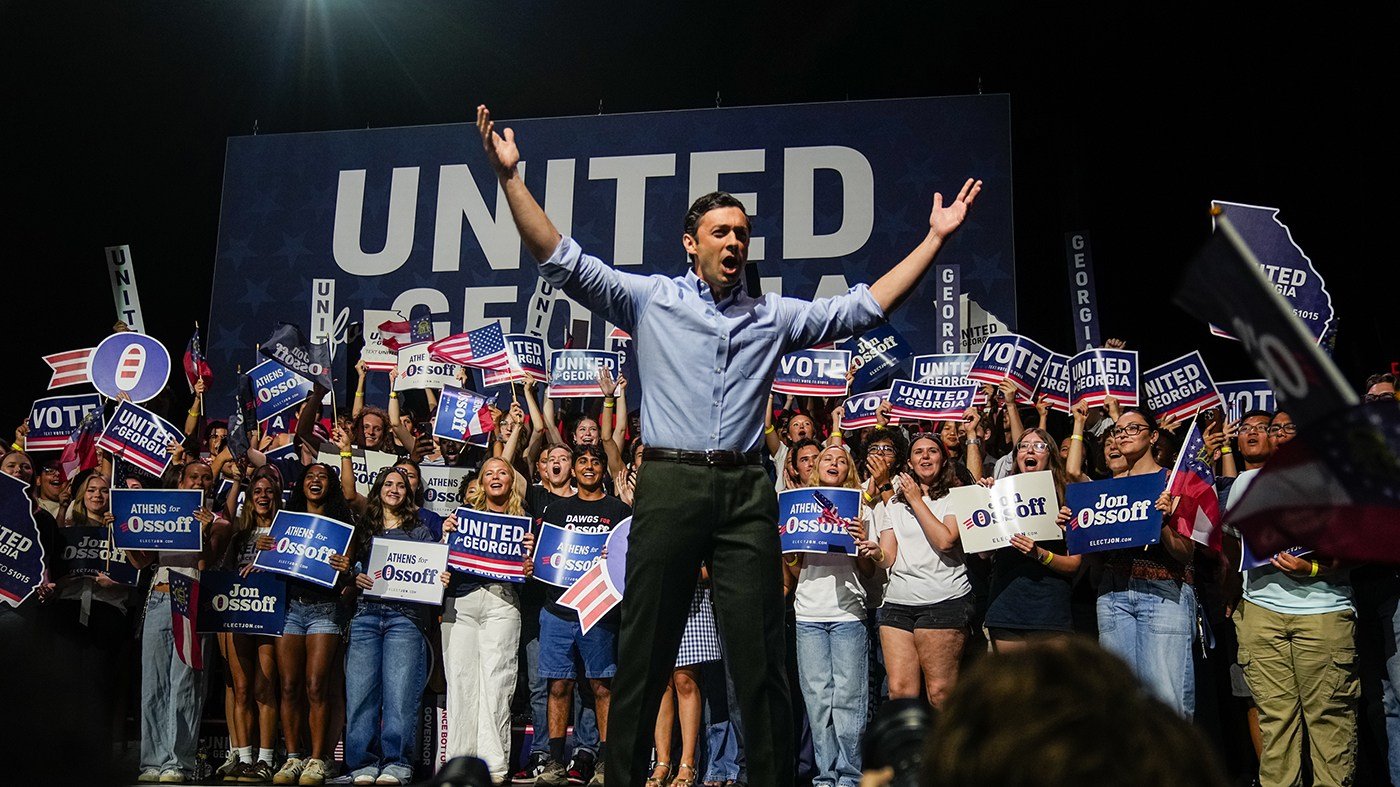
The precedent is clear. After the 2020 election, Trump told Georgia Republicans not to trust the state's Senate runoff elections, leading many of his loyal voters to stay home. That decision cost the party two critical U.S. Senate seats. Now, a similar dynamic may be unfolding on a national scale, with Trump's focus on relitigating 2020 taking precedence over a coherent strategy for the 2026 midterms.
Compounding these challenges, Trump's recent public statements have grown increasingly volatile, and his pursuit of unrelated conflicts has proven unpopular. His handling of international crises, such as his recent extension of an Iran ultimatum amid market uncertainty, draws criticism even from within his party. Senator Chris Van Hollen has accused the former president of dishonesty regarding Iran negotiations, warning of severe repercussions.
The cumulative effect could be a profound shift in Washington. It is increasingly plausible that next year, Speaker Hakeem Jeffries and Majority Leader Chuck Schumer could preside over enlarged Democratic majorities, empowered to advance a broad legislative agenda on healthcare, climate, and taxation. For Republicans, the very tactics championed by their de facto leader may be the instrument of their defeat, a political boomerang forged from the stubborn denial of a single election's result.