GOP Senators Seek Exit Ramp From Prolonged Homeland Security Impasse
As the partial shutdown of the Department of Homeland Security enters its 38th day, Republican unity in the Senate is showing significant strain. A faction of GOP lawmakers is growing increasingly concerned that the party's strategy of blaming Democrats is failing to produce a resolution and may backfire politically, especially given Republican control of the White House and both chambers of Congress. This internal dissent is intensifying as images of massive security lines at major airports from Atlanta to New York circulate widely, caused by a spike in absences among unpaid Transportation Security Administration officers.
A Proposal Gains Traction: Splitting the Funding Bill
Senator Ted Cruz of Texas, a influential conservative voice, is leading a push for colleagues to consider decoupling the Homeland Security appropriations bill. His proposal involves immediately funding and reopening the TSA and other critical agencies, while deferring the contentious debate over increased funding for Immigration and Customs Enforcement to the budget reconciliation process later. This approach, Cruz argues, is urgent given heightened security risks from the ongoing military conflict with Iran and the travel chaos impacting millions of Americans.
"We've had four terror attacks from radical Islamic terrorists in the last two weeks. The agency charged with preventing terror attacks has been defunded," Cruz asserted, placing blame squarely on Democrats. "Millions of Americans right now are facing two-, three-, four-hour waits at airports." His plan is finding support among colleagues like Senator Lisa Murkowski of Alaska, a senior appropriator, who called it a "viable proposal" that many Republicans are discussing.
White House Resistance and a Political Ultimatum
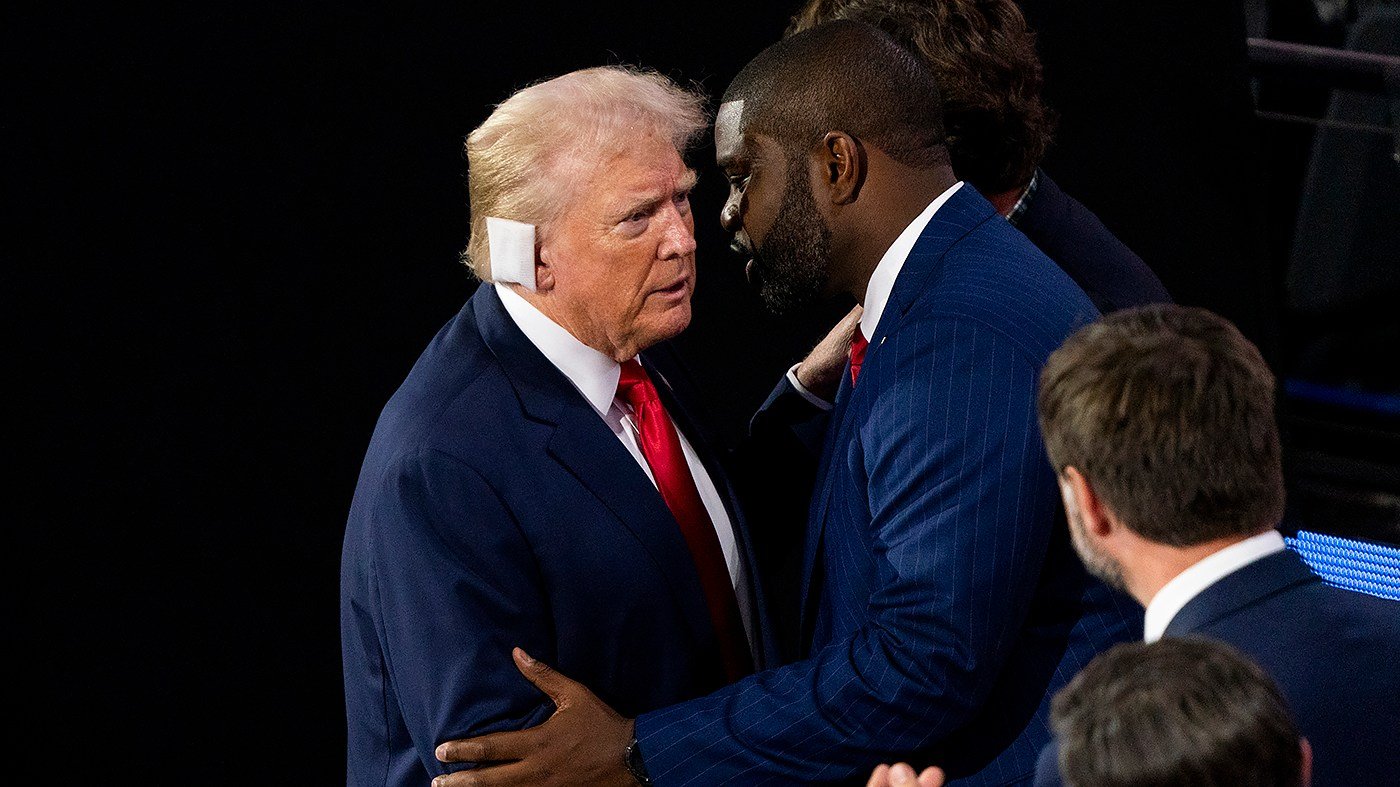
The emerging Republican compromise faces a formidable obstacle: President Trump. In a recent interview, the president was cool to the idea of funding the TSA separately to allow broader negotiations, instead linking any deal to the passage of the Safeguard American Voter Eligibility (SAVE America) Act, an elections bill opposed by Democrats. "I don't think any deal should be made on this until they approve SAVE America," Trump stated, setting a high bar for any resolution. This stance complicates the efforts of senators seeking a pragmatic off-ramp from the crisis.
Murkowski also expressed skepticism about a separate White House suggestion to deploy ICE officers to handle airport security screening, a move that has already begun prompting operational shifts. "This is not the answer for what we need to do," she said, emphasizing the need to fund DHS fully and quickly, especially with a congressional recess looming. The department's immigration enforcement arms, ICE and Customs and Border Protection, received substantial funding through last year's reconciliation process, a point Murkowski highlighted.
Leadership Holds Firm as Messaging Falters
Senate Majority Leader John Thune and other GOP leaders have maintained a hardline position for weeks, insisting Democrats must agree to fund all of DHS, including ICE and CBP, as part of any deal. Thune has criticized Democratic efforts to fund agencies like TSA, the Coast Guard, and FEMA while excluding the immigration enforcement arms as an attempt to "defund law enforcement." However, a growing number of Republican senators privately acknowledge their party's messaging is not moving Democrats closer to an agreement.
Senator John Kennedy of Louisiana, who supports Cruz's proposal, conceded the standoff appears intractable. The political calculus is shifting as the shutdown's tangible effects worsen. Republicans recently blocked a Democratic unanimous consent request to fund most of DHS except for ICE, CBP, and the secretary's office, but the pressure is building. Cruz pointed to comments from Senator Brian Schatz of Hawaii, a top Democratic deputy, who said Democrats are "serene" about their political position regarding the unpaid TSA workforce—a sign the opposition feels no urgency to bend.
The operational fallout continues to escalate, with reports of a deepening TSA staffing crisis forcing unconventional measures. The situation presents a major early test for the newly confirmed DHS Secretary, whose tenure begins amid unprecedented dysfunction within the department he is tasked with leading. With public frustration mounting and security concerns rising, the Republican conference must now decide whether to maintain a unified front or pursue a piecemeal solution that risks a confrontation with the White House.